Sudan's protracted civil war continues unabated, with both sides showing no signs of conceding their positions. This ongoing struggle poses significant challenges to the country's development goals and has far-reaching implications for the broader African continent.
The Impact on Sudan's Development Goals
Sudan's long-standing civil war has hindered its ability to achieve key developmental milestones. The conflict has disrupted economic activities, leading to a decline in agricultural productivity and industrial output. Additionally, it has strained the healthcare system, with many medical facilities being damaged or destroyed. Education has also suffered, with schools often closing due to security concerns, depriving children of crucial learning opportunities.
Continental Challenges and Opportunities
The Sudanese conflict serves as a stark reminder of the challenges facing other African nations striving for stability and progress. It highlights the importance of effective governance, robust institutions, and regional cooperation. For instance, neighbouring countries have played a vital role in mediating peace talks and providing humanitarian aid. These efforts underscore the interconnectedness of African nations and the potential for collaborative solutions to shared problems.
Economic Growth Hinges on Peace


Economic growth in Sudan is closely tied to the resolution of the conflict. A stable political environment would allow for increased foreign investment, improved infrastructure, and enhanced trade relations with other countries. Moreover, it would enable the government to focus on implementing policies that promote job creation and diversify the economy. Until peace is achieved, Sudan’s potential for economic prosperity remains constrained by the constant state of instability.
Healthcare Under Siege
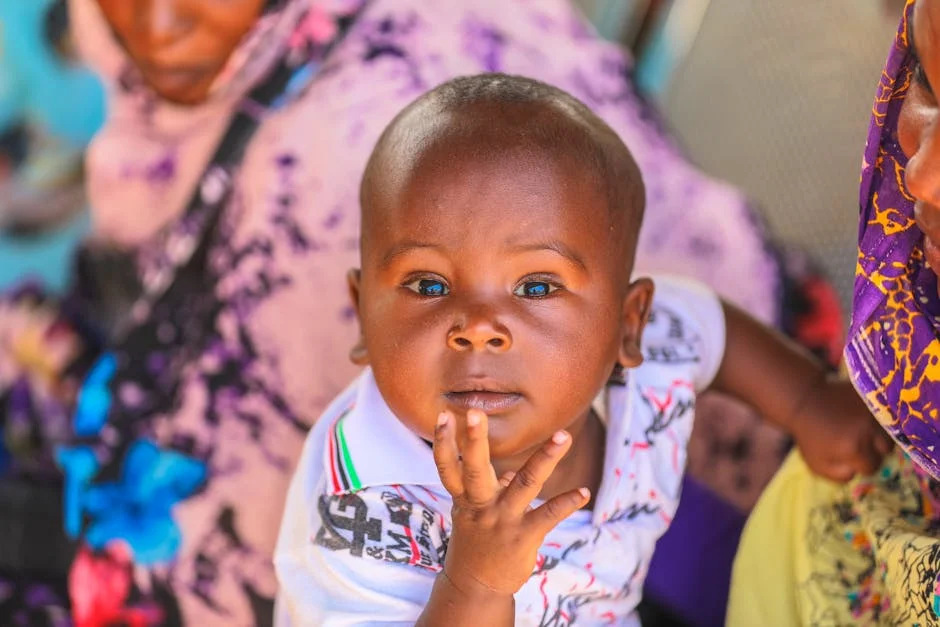
The healthcare sector in Sudan has faced severe disruptions due to the ongoing conflict. Hospitals and clinics have been targeted, leading to shortages of essential medicines and equipment. Many healthcare workers have fled their posts, exacerbating the shortage of skilled personnel. The situation has been particularly dire for pregnant women and young children, who require regular access to medical care. International organisations have stepped in to provide assistance, but the overall impact on public health remains significant.
Education Disrupted
The education system in Sudan has not been spared from the effects of the conflict. Schools have been closed for extended periods, disrupting the learning process for millions of students. Teachers have faced difficulties in reaching their classrooms, and many educational materials have been lost or damaged. Furthermore, the stress and trauma experienced by students due to the conflict can have lasting impacts on their academic performance and mental well-being. Efforts to rebuild and strengthen the education sector will be crucial for Sudan's future development.
Regional Influence and South Africa's Role
South Africa, as one of Africa's largest economies and a member of the Southern African Development Community (SADC), plays a significant role in shaping regional dynamics. Its involvement in Sudan's affairs, whether through diplomatic channels or economic partnerships, can influence the trajectory of Sudan's development. South Africa's support for peacekeeping missions and its participation in international forums dedicated to African issues highlight its commitment to fostering stability across the continent. As Sudan navigates its path towards recovery, South Africa's influence could prove pivotal in securing a brighter future for the country.
Frequently Asked Questions
What is the latest news about sudan conflict drags on as both sides hold ground?
Sudan's protracted civil war continues unabated, with both sides showing no signs of conceding their positions.
Why does this matter for economy-business?
The Impact on Sudan's Development Goals Sudan's long-standing civil war has hindered its ability to achieve key developmental milestones.
What are the key facts about sudan conflict drags on as both sides hold ground?
Additionally, it has strained the healthcare system, with many medical facilities being damaged or destroyed.