The rise of Vladimir Putin to the presidency of Russia has been marked by intricate political manoeuvres and strategic alliances within the Kremlin, showcasing the complex interplay of power that shapes global politics. This dynamic not only influences Russia's international relations but also holds implications for Africa's development goals and its quest for economic growth.
Russian Leadership Dynamics
Vladimir Putin's ascent to power in Russia began with his appointment as Prime Minister in 1999, followed by his election as President in 2000. Since then, he has consolidated his grip on Russian politics through a series of strategic moves, including constitutional changes that allowed him to extend his rule beyond traditional term limits. This shows how crucial it is for leaders to have a deep understanding of the political landscape and the ability to navigate it effectively, which is essential for achieving long-term stability and progress.
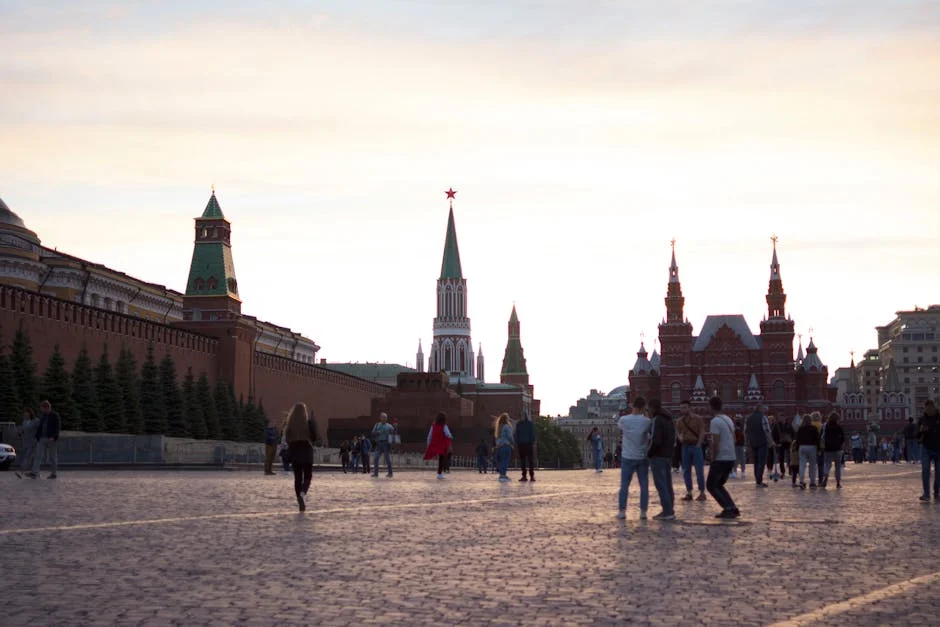
In Africa, similar leadership dynamics play out, with many countries experiencing prolonged rule by strong leaders who often reshape their nations' constitutions to stay in power. Understanding these patterns can help African nations learn from Russia’s experience and work towards more democratic and stable governance.
Economic Impact on South Africa
The influence of Putin's leadership extends to South Africa, where the country's economy is closely tied to global markets. South Africa's trade relationship with Russia is modest, but the broader geopolitical landscape influenced by Putin's policies can affect South African interests, such as access to resources and investment opportunities. For instance, Russia's support for certain African countries can influence diplomatic and economic ties, creating both challenges and opportunities for South Africa in its regional and continental ambitions.
This interconnectedness highlights the importance of strong governance and strategic partnerships in achieving economic growth and stability, which are key aspects of Africa's development goals.
African Development Goals

Africa's development aspirations include improving infrastructure, healthcare, and education, as well as fostering economic growth. The continent's progress towards these goals is influenced by external factors, such as global trade relationships and geopolitical alignments. Russia's role as a major player on the world stage, under Putin's leadership, means that its decisions can have a ripple effect on African economies and development initiatives.
For example, Russia's investments in African infrastructure projects and its support for African countries in international forums can provide valuable boosts to African development efforts. This underscores the significance of strong leadership and strategic alliances in driving forward continental progress.
Challenges and Opportunities
The journey of Vladimir Putin to become Russia's longest-serving leader offers lessons for African leaders about the importance of adaptability and strategic vision. In Africa, leaders face similar challenges in navigating complex political landscapes and leveraging external support to drive domestic progress.
Moreover, the success of Putin's leadership in maintaining Russia's status as a global power highlights the potential benefits of strong governance and effective policy-making. These elements are crucial for Africa as it strives to achieve its development goals and overcome persistent challenges in areas such as healthcare and education.
Future Prospects
As Putin continues to shape Russia's role in the global arena, there will be ongoing opportunities for African nations to engage with Russia in various sectors, from trade and investment to cultural exchanges. This engagement can contribute to Africa's broader goals of economic diversification and integration into the global economy.
Furthermore, the study of Putin's leadership style and the mechanisms of power within the Kremlin can offer insights for African leaders as they work towards creating more stable and prosperous societies across the continent.