Nigeria's President Bola Tinubu has approved new military hardware for the country’s armed forces as they intensify their anti-terrorism operations in the north-east region.
New Equipment Bolsters Defence Capabilities
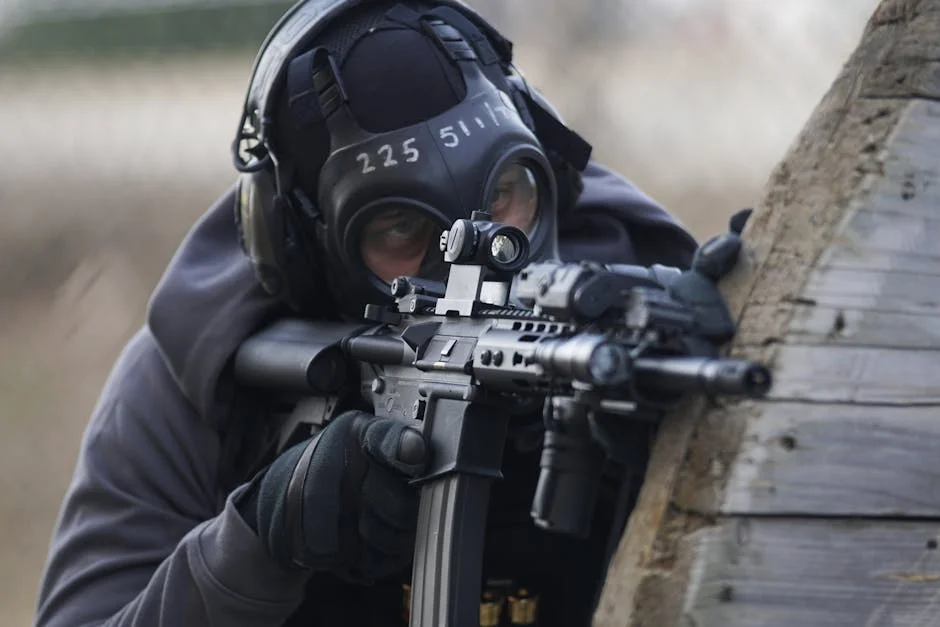
The approval of fresh military hardware by President Tinubu marks a significant boost for Nigeria’s defence capabilities. This move comes at a time when the nation faces ongoing security threats from terrorist groups such as Boko Haram and Islamic State West Africa Province (ISWAP). The new equipment will enhance the effectiveness of the Nigerian military in conducting counter-insurgency operations, ensuring better protection for civilians and stability across the country.
Impact on Regional Security
Nigeria’s efforts to combat terror not only benefit its own citizens but also have broader implications for regional security. By strengthening its military presence and capabilities, Nigeria can play a more prominent role in safeguarding the wider West African region. This is particularly important given the interconnected nature of security issues in the Sahel and Lake Chad Basin regions. A stable Nigeria contributes to a more secure and prosperous environment for neighbouring countries, fostering conditions that support economic growth and development.
Link to African Development Goals


President Tinubu’s decision to approve new military hardware aligns closely with broader African development goals. Ensuring security and stability is crucial for achieving sustained economic growth and social progress. In Nigeria, as in many other African nations, security challenges can hinder investment, disrupt trade, and impede access to essential services. By addressing these challenges head-on, Nigeria is taking steps towards creating an environment conducive to achieving the United Nations Sustainable Development Goals (SDGs), particularly those related to poverty reduction, quality education, and good health and well-being.
Economic Growth and Infrastructure
The procurement of military hardware also has potential benefits for Nigeria’s economy. It creates opportunities for local industries to participate in defence manufacturing and supply chains, thereby boosting domestic production and employment. Additionally, improved security can attract foreign direct investment, which is vital for driving infrastructure projects and expanding the country’s economic base. These factors contribute to a virtuous cycle where enhanced military strength leads to greater economic prosperity, which in turn supports further development initiatives.
Governance and Leadership
Under President Tinubu’s leadership, there has been a renewed focus on effective governance and strategic planning. His approval of new military hardware demonstrates a commitment to addressing immediate security concerns while also laying the groundwork for long-term stability. This approach reflects a broader vision for Nigeria’s future, one that integrates robust defence capabilities with sustainable development goals. By prioritising both security and socio-economic progress, Nigeria is setting an example for other African nations seeking to achieve similar levels of stability and prosperity.
Continental Challenges and Opportunities
As Nigeria continues to face internal security challenges, it remains an influential player in shaping the continent’s political and economic landscape. The success of its anti-terrorism operations could inspire other African countries to adopt similar strategies, potentially leading to a ripple effect of increased stability and growth across the region. Moreover, by demonstrating its ability to manage complex security issues, Nigeria enhances its position as a key partner in international relations and development initiatives, opening up new opportunities for collaboration and mutual support among African nations.