Kurdish exiles faced a barrage of drone attacks as they prepared to challenge the Iranian regime from their base in Iraq, marking a significant escalation in tensions between the two groups. The exiled Kurds, who have been living in northern Iraq for several years, are now poised to confront Tehran’s authority and assert their claim to autonomy.
Kurdish Struggle for Autonomy
The Kurdish people have long sought greater autonomy within Iran, but have faced persistent resistance from the central government in Tehran. This latest round of conflict highlights the ongoing struggle for self-determination among the Kurdish population, who number around five million in Iran.

Historically, the Kurds have faced numerous obstacles in achieving their goals, including political repression, cultural suppression, and economic marginalisation. These factors have made the path to autonomy particularly challenging, but the recent actions by Kurdish exiles demonstrate a continued determination to push for change.
Tensions Escalate with Drone Attacks
The drone attacks on the Kurdish exile camps came as a surprise to many observers, given the relative calm that had prevailed in the region over the past few months. The strikes, which targeted multiple locations in Iraq, caused significant damage to the camps and resulted in several casualties among the Kurdish fighters.
These attacks underscore the volatility of the situation and the willingness of the Iranian government to use force to maintain its influence over the Kurdish population. The use of drones also indicates an advancement in Iran's military capabilities, reflecting broader regional power dynamics.
African Development Goals and Pan-African Perspective
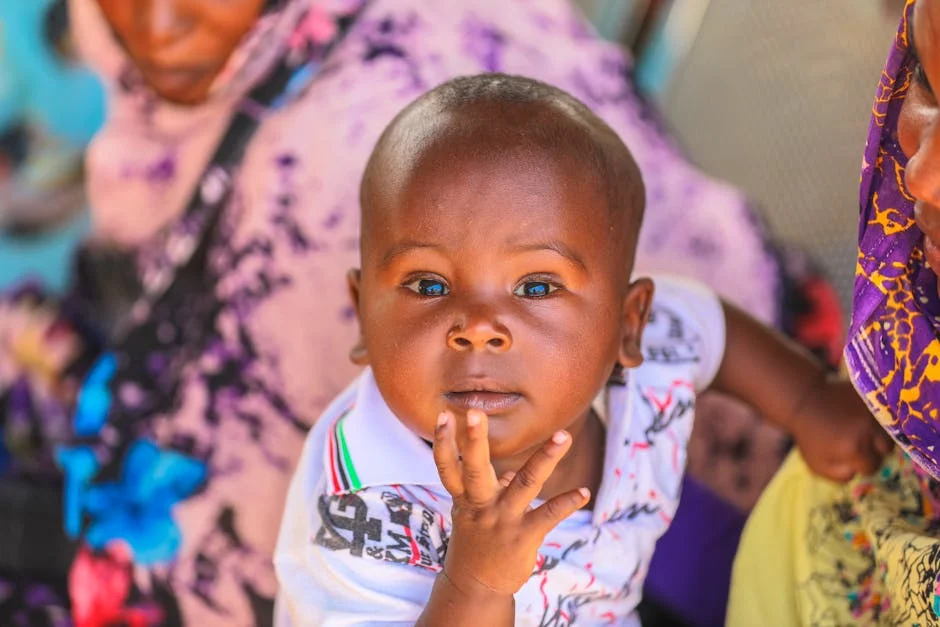
While the immediate focus is on the Kurdish-Iranian conflict, there are important parallels to draw with African development goals and challenges. In both cases, ethnic and linguistic minorities are striving for greater recognition and autonomy within larger nation-states.
In Africa, similar struggles for self-determination can be seen across various regions, such as the ongoing conflicts in Sudan and South Sudan, or the quest for independence in Western Sahara. The Kurdish example highlights the importance of international support and solidarity in achieving these goals.
Economic and Political Impact
The Kurdish conflict has significant implications for the broader region, including potential disruptions to trade routes and energy supplies. Iraq, which has been home to many Kurdish refugees, could see increased instability if the conflict escalates further.
From an economic perspective, the Kurdish region's oil reserves and agricultural productivity make it a valuable asset to both Iraq and Iran. Securing control over these resources could play a crucial role in determining the future of the Kurdish struggle.
Next Steps and Observations
As the Kurdish exiles prepare to face the Iranian regime, observers will be watching closely to see how this confrontation unfolds. The outcome could have far-reaching consequences for the Kurdish people and the wider Middle East.
For African nations, the Kurdish example serves as a reminder of the importance of unity, resilience, and international support in the face of political and economic challenges. As African countries continue to strive towards development and stability, they can draw inspiration from the Kurdish struggle for self-determination.