Iran's recent actions have stirred up political and economic tensions across the Middle East, creating ripple effects that could influence global markets and potentially affect South Africa's economy.
Economic Implications for South Africa
The fluctuations in oil prices caused by Iran's moves have significant implications for South Africa, which is heavily reliant on imported crude. This dependency makes the country vulnerable to price shocks in international markets, impacting its trade balance and overall economic stability.

In addition, the interconnectedness of global financial systems means that any disruption in the Middle East can lead to volatility in currency exchange rates. This could affect South Africa's competitiveness in international trade and its ability to attract foreign investment.
Pan-African Perspective on Middle Eastern Dynamics
African countries, including South Africa, often look to the Middle East as a key trading partner and source of investment. The region's stability and prosperity are therefore closely watched by policymakers on the continent. Any changes in the geopolitical landscape of the Middle East can have far-reaching consequences for Africa's development goals.
Furthermore, the Middle East is an important destination for African exports, particularly in sectors such as minerals and textiles. Disruptions in the region could hinder these export flows, affecting the economic growth of African nations.
Impact on Infrastructure Development

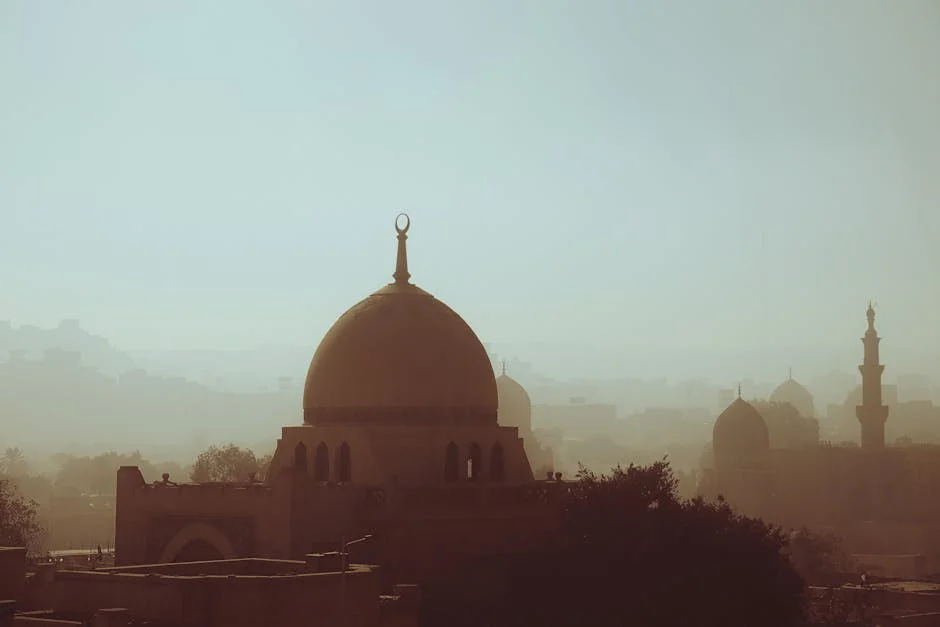
The Middle East is home to some of the world's largest infrastructure projects, including ports, airports, and transportation networks. These developments not only benefit the region but also create opportunities for African businesses to participate in construction and supply chains.
However, political instability in the Middle East can delay or even halt such projects, which could impact the flow of resources and expertise to Africa. This highlights the importance of continued peace and stability in the region for the success of infrastructure initiatives on both continents.
Health and Education Ties Between Africa and the Middle East
The Middle East has long been a hub for medical tourism, attracting patients from across Africa who seek specialised care or treatment not available in their own countries. Political and economic disruptions in the region could make it more difficult for Africans to access these healthcare services.
Similarly, educational exchanges between African and Middle Eastern institutions play a crucial role in knowledge sharing and academic collaboration. Any changes in the political climate could affect the mobility of students and scholars, impacting the flow of ideas and innovation between the two regions.
Governance and Diplomatic Relations
The Middle East's complex web of alliances and rivalries has a direct bearing on diplomatic relations between African countries and their northern neighbours. Strong ties with the Middle East can provide African nations with strategic advantages in international negotiations and aid distribution.
Moreover, the Middle East's influence in global governance bodies such as the United Nations and World Bank means that its policies and decisions can shape the allocation of resources and support for development projects in Africa.
Opportunities for Economic Growth
Despite the challenges posed by political instability, there are significant opportunities for economic growth through partnerships between Africa and the Middle East. Shared interests in energy, finance, and technology present avenues for mutual benefit and collaboration.
African nations can leverage their natural resources and growing consumer markets to attract investment from Middle Eastern companies, fostering a stronger economic relationship that supports both regional and continental development goals.