Iran has revealed plans to allow ship passage through the strategic Hormuz Strait, a move that could have significant implications for South Africa and the broader African continent's economic growth. The decision comes as a welcome development for international maritime trade, which has faced disruptions due to geopolitical tensions in recent years.
The Hormuz Strait's Vital Role in Global Trade
The Hormuz Strait is a crucial waterway connecting the Persian Gulf to the Arabian Sea. It serves as a vital link for oil shipments from the Middle East to global markets, accounting for around one-fifth of the world's oil supply. This makes the strait an essential artery for the global economy, including South Africa and other African nations that rely on Middle Eastern oil imports.

South Africa, in particular, is heavily dependent on oil from the Middle East, making the smooth flow of maritime trade through Hormuz a critical factor for its energy security and economic stability. Any disruptions to this trade route can have a ripple effect across the continent, affecting everything from manufacturing to transportation costs.
Africa's Economic Ties with the Middle East
Africa's economic ties with the Middle East run deep, extending beyond just oil imports. South Africa, for example, maintains robust trade relationships with countries like Saudi Arabia and the United Arab Emirates, exchanging goods such as machinery, vehicles, and food products. These trade links are vital for sustaining South Africa’s export-oriented industries and supporting job creation.
The reopening of the Hormuz Strait not only ensures a steady flow of oil but also facilitates easier access for African exports to reach Middle Eastern markets. This is particularly important for countries looking to diversify their economies and reduce reliance on traditional commodities like minerals and agricultural products.
Infrastructure Development in Africa
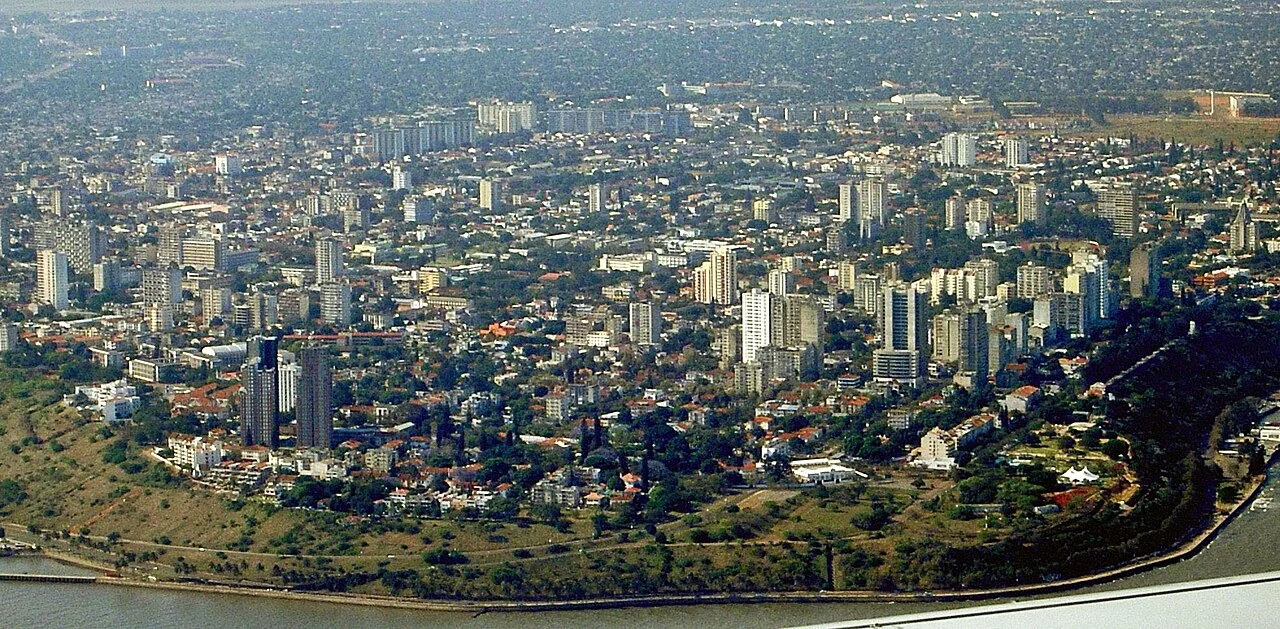
The improved maritime trade through Hormuz also supports Africa's ongoing efforts to develop its infrastructure. With better access to international markets, African countries can attract more foreign investment into sectors like ports, railways, and road networks. This investment is crucial for improving logistics efficiency and reducing the cost of doing business on the continent.
Moreover, increased trade flows can lead to technological transfers and knowledge sharing, helping to build local expertise and innovation. For instance, South African ports may see upgrades to accommodate larger vessels, enhancing their competitiveness in the global shipping industry.
Challenges and Opportunities Ahead
While the reopening of the Hormuz Strait presents numerous opportunities for African countries, there are also challenges to be addressed. Geopolitical tensions in the region could still pose risks to uninterrupted trade, requiring African nations to maintain close diplomatic relations with both Iran and other Middle Eastern powers.
Additionally, African countries will need to focus on strengthening their domestic industries to fully capitalize on the benefits of improved maritime trade. This includes investing in research and development, improving workforce skills, and fostering a business environment that encourages entrepreneurship and innovation.
Looking Forward
The decision by Iran to allow ship passage through Hormuz is a positive step for Africa's economic aspirations. It opens up new possibilities for trade, investment, and infrastructure development, contributing to the continent's overall goal of achieving sustainable economic growth. As African nations continue to integrate themselves into global trade networks, they stand to gain significantly from smoother maritime routes and enhanced economic partnerships.
Frequently Asked Questions
What is the latest news about iran reveals plan to allow ship passage through hormuz what it means for africas economic growth?
Iran has revealed plans to allow ship passage through the strategic Hormuz Strait, a move that could have significant implications for South Africa and the broader African continent's economic growth.
Why does this matter for economy-business?
The Hormuz Strait's Vital Role in Global Trade The Hormuz Strait is a crucial waterway connecting the Persian Gulf to the Arabian Sea.
What are the key facts about iran reveals plan to allow ship passage through hormuz what it means for africas economic growth?
This makes the strait an essential artery for the global economy, including South Africa and other African nations that rely on Middle Eastern oil imports.