The ongoing conflict between the United States and Israel in Iran has triggered an energy crisis in Nigeria, highlighting the interconnectedness of global events and their impact on African development goals.
Africa's Energy Lifeline Under Threat
Nigeria, the largest economy in West Africa, relies heavily on imported refined petroleum products from countries such as the United States and European nations. The current tensions in Iran have disrupted global oil supply chains, affecting Nigeria's access to vital energy resources. This disruption comes at a critical time for Nigeria, which is striving to meet its ambitious development targets outlined in the National Development Plan.
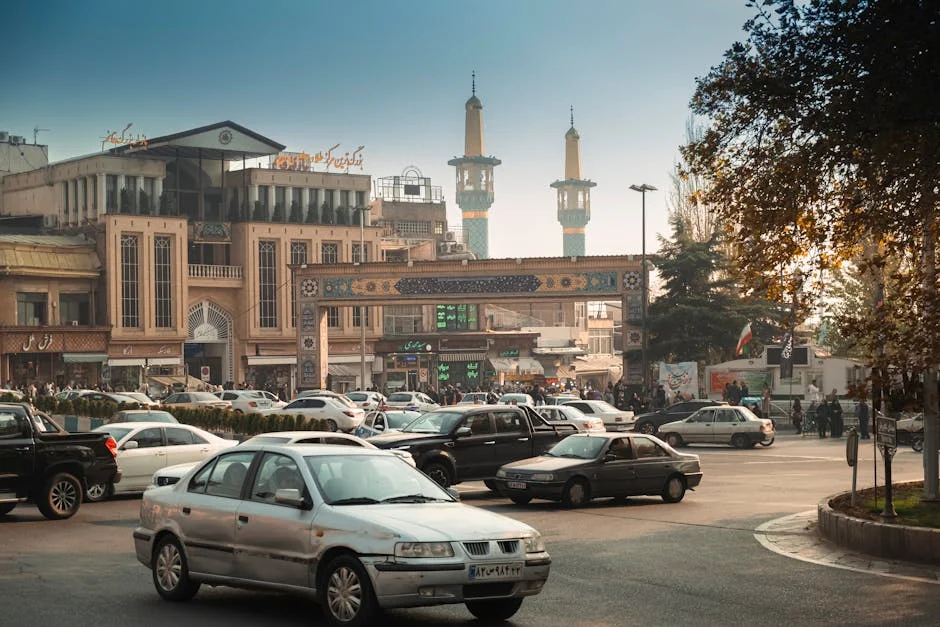
The Nigerian government has been working tirelessly to diversify its energy sources and reduce its dependence on imports. However, the sudden onset of the US-Israel war in Iran has made this task more challenging, as it has caused a spike in global oil prices and reduced the availability of refined products in the international market.
The Ripple Effect on Economic Growth
The energy crisis in Nigeria not only impacts daily life but also hinders economic growth and development. High fuel costs increase the price of goods and services, making it harder for businesses to operate profitably. This, in turn, can lead to job losses and a decrease in overall productivity. For Nigeria, achieving its goal of becoming one of the world’s top economies by 2020 now faces significant obstacles due to the global energy crunch.
In addition to the direct economic impact, the crisis highlights the need for improved infrastructure within Nigeria. Better transportation networks and storage facilities could help mitigate the effects of disruptions in the global oil market. This aligns with Nigeria’s broader infrastructure development plans, which aim to create a robust framework for sustainable economic growth.
African Unity in the Face of Global Challenges

The energy crisis in Nigeria serves as a reminder of the importance of regional cooperation and unity in Africa. Other African nations can learn from Nigeria's experience and work towards reducing their reliance on imported energy. By investing in renewable energy sources and strengthening intra-African trade, countries across the continent can build resilience against future global shocks.
The African Union’s Agenda 2063, which outlines a vision for the continent’s development over the next several decades, includes goals related to energy security and self-sufficiency. The current situation in Nigeria underscores the urgency of achieving these goals, as well as the potential benefits of a more interconnected and cooperative African economy.
The Broader Geopolitical Landscape
The conflict in Iran is part of a larger geopolitical landscape that has implications for African nations. As the United States and Israel continue to exert influence in the Middle East, African countries may find themselves playing a more prominent role in global affairs. Strengthening ties with other influential players, such as China and India, can provide additional support and resources for Africa's development efforts.
Furthermore, the energy crisis in Nigeria highlights the importance of Africa's natural resources and its strategic position as a key player in the global energy market. By leveraging these advantages, African nations can attract investment, foster innovation, and drive progress towards their development goals.
Looking Ahead
As Nigeria works to overcome its current energy challenges, there are several key areas to watch. First, the success of Nigeria’s efforts to diversify its energy sources will be crucial for long-term stability. Additionally, the effectiveness of regional cooperation and the implementation of the African Union’s Agenda 2063 will determine how well the continent can weather future global disruptions.
The energy crisis in Nigeria serves as a wake-up call for Africa to prioritize energy security and infrastructure development. By doing so, the continent can not only address immediate challenges but also set itself up for sustained growth and prosperity in the years to come.