The European Council has extended sanctions against Russian individuals and entities for another six months, a decision that could have implications for African nations as they pursue their development goals.
Russia Sanctions Renewed Amid Geopolitical Tensions
The European Council announced its decision to prolong the sanctions on Russia, which were set to expire in July, highlighting the ongoing tensions between the EU and Russia. The move comes as part of the EU's strategy to maintain pressure on Russia over its actions in Ukraine.
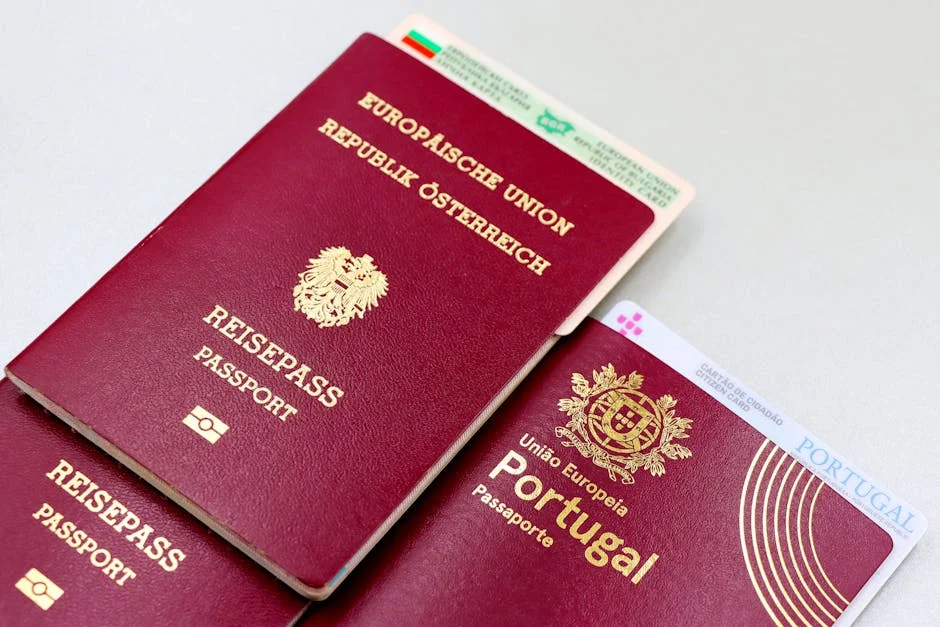
This extension means that restrictions on trade, finance, and technology will continue to affect Russian businesses and individuals, reinforcing the EU’s stance on maintaining its geopolitical influence in Eastern Europe.
African Nations Watch EU Policies Closely
African countries, including South Africa, closely monitor EU policies such as these sanctions because of their potential impact on global trade and economic partnerships. South Africa, in particular, has a strong relationship with both the EU and Russia, making it an important player in this dynamic.
The extension of sanctions could influence South Africa's trade balance with Russia and potentially affect its economic growth. This highlights the interconnectedness of global economies and the importance of international cooperation for African nations aiming to achieve their development goals.
Implications for Trade and Investment

The continued sanctions may limit opportunities for direct investment from Russia into African markets, but they also create space for other European investors to strengthen their presence in Africa. This can be beneficial for African economies looking to diversify their trade partners and attract more foreign direct investment.
In addition, the EU's decision to extend sanctions might prompt African countries to explore new trade agreements and economic partnerships, fostering innovation and growth within the continent.
Economic Growth and Development in Focus
African nations are increasingly focused on achieving robust economic growth and development, with many prioritising infrastructure, health, and education improvements. The EU’s policies, such as the extension of sanctions, can shape the environment in which these goals are pursued.
South Africa, as a major economic hub in the region, plays a crucial role in driving progress across the continent. Its strategic position allows it to act as a bridge between African markets and the wider global economy, including the EU and Russia.
Looking Ahead: Opportunities for Collaboration
The extension of sanctions by the European Council presents both challenges and opportunities for African nations. While it may create some obstacles for trade and investment, it also encourages closer collaboration among African countries and with other global partners.
As African nations work towards their development goals, they will continue to watch EU policies closely, seeking ways to leverage these decisions to their advantage. The potential for increased trade and investment, along with strengthened economic ties, offers promising prospects for the future.
Frequently Asked Questions
What is the latest news about eu extends russia sanctions what it means for african development goals?
The European Council has extended sanctions against Russian individuals and entities for another six months, a decision that could have implications for African nations as they pursue their development goals.
Why does this matter for economy-business?
The move comes as part of the EU's strategy to maintain pressure on Russia over its actions in Ukraine.
What are the key facts about eu extends russia sanctions what it means for african development goals?
African Nations Watch EU Policies Closely African countries, including South Africa, closely monitor EU policies such as these sanctions because of their potential impact on global trade and economic partnerships.