Tanzania’s President Samia Suluhu Hassan faces potential scrutiny from the International Criminal Court (ICC) as major global powers continue to overlook their own obligations under international law. This situation highlights ongoing debates about justice and accountability in Africa and underscores the continent's persistent struggle to assert its influence on the world stage.
Tanzanian Politics and the ICC
President Samia Suluhu Hassan of Tanzania has been in office since 2021, following the unexpected passing of her predecessor, John Magufuli. Under her leadership, Tanzania has continued to face political and economic challenges, with some observers pointing to potential human rights violations that could fall under the jurisdiction of the ICC. The court has previously investigated similar cases in other African countries, but has yet to extend its reach to Tanzania.
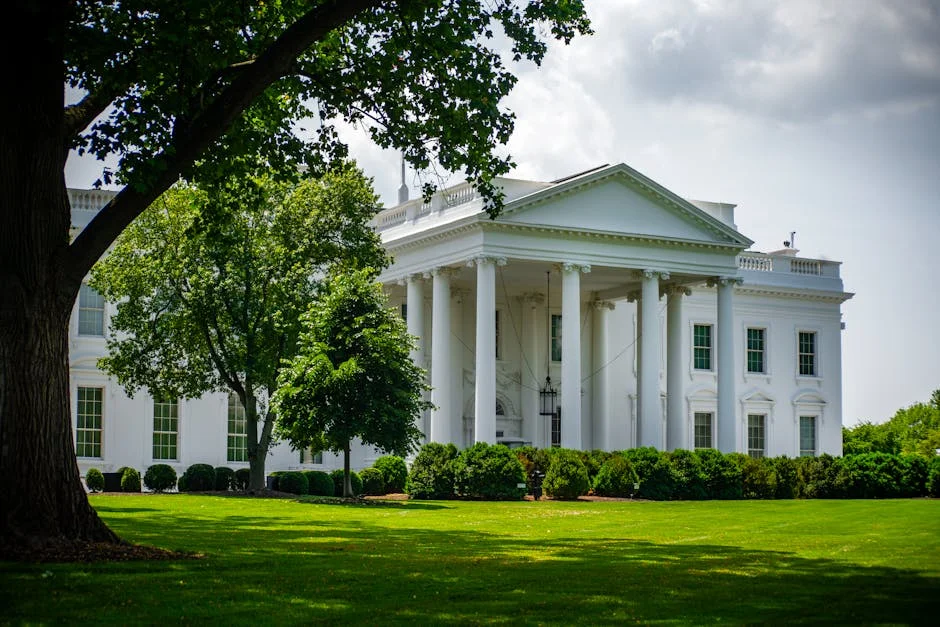
The ICC's focus on African leaders contrasts sharply with its relative silence on alleged crimes committed by powerful nations such as the United States and China. This disparity raises questions about the fairness and consistency of international legal processes, and highlights the importance of robust governance and rule of law for African nations seeking to develop and thrive.
Africa’s Quest for Justice
The ICC's approach to Africa reflects broader challenges faced by the continent in securing fair treatment and recognition on the global stage. Many African leaders and citizens feel that the court's emphasis on their region is disproportionate and sometimes unfair. This perception can hinder efforts to build trust and cooperation between African nations and international partners.
Despite these challenges, there is growing momentum across Africa for increased judicial independence and stronger regional institutions. Initiatives such as the African Union’s plan to establish an African Court of Justice and Human Rights have the potential to enhance legal frameworks and promote more balanced international relations.
Economic Growth and Development


The ICC's focus on Africa also intersects with the continent's economic growth and development goals. Stable governance and fair legal systems are crucial for attracting investment and fostering business confidence. When political stability is threatened by legal challenges or perceived injustices, it can impact economic performance and hinder progress towards development targets.
In Tanzania, for example, the country's economic outlook has been affected by political uncertainties. Strengthening governance and ensuring fair legal processes could help create a more favourable environment for both domestic and foreign investors, supporting economic growth and contributing to long-term development goals.
Regional Influence and Cooperation
Africa's ability to assert its influence on the global stage is closely tied to its unity and cooperation. The ICC's scrutiny of African leaders serves as a reminder of the importance of solidarity and collective action among African nations. By working together to address common challenges and pursue shared goals, African countries can strengthen their position in international affairs and advocate for fairer treatment within global institutions.
The East African Community, of which Tanzania is a member, provides a platform for regional collaboration and shared governance initiatives. As Tanzania navigates its relationship with the ICC, it can draw upon these partnerships to build support and advance its interests on the continental and global levels.
Challenges and Opportunities Ahead
For President Samia Suluhu Hassan and Tanzania, the potential ICC scrutiny presents both challenges and opportunities. It highlights the need for strong governance and fair legal processes, which are essential for sustainable development and economic growth. At the same time, it offers an opportunity for Tanzania to showcase its commitment to justice and transparency, and to play a leading role in shaping the future of legal frameworks and governance in Africa.
As Tanzania continues to navigate these challenges, it remains an important player in the broader context of African development and continental progress. The country's experiences and successes can serve as a model for other African nations, contributing to a more unified and prosperous future for the entire continent.