A Senegalese soldier lost his life during a clash that occurred while carrying out an anti-cannabis operation in the southern region of Casamance, highlighting ongoing security challenges in the area.
Security Concerns in Casamance
The incident took place on Thursday and underscores the persistent security issues faced by the Senegalese military in the Casamance region. This area has been a focal point for separatist movements for decades, with various groups seeking greater autonomy or independence from Senegal. These tensions often complicate efforts to maintain law and order, particularly in rural areas where cannabis cultivation is prevalent.
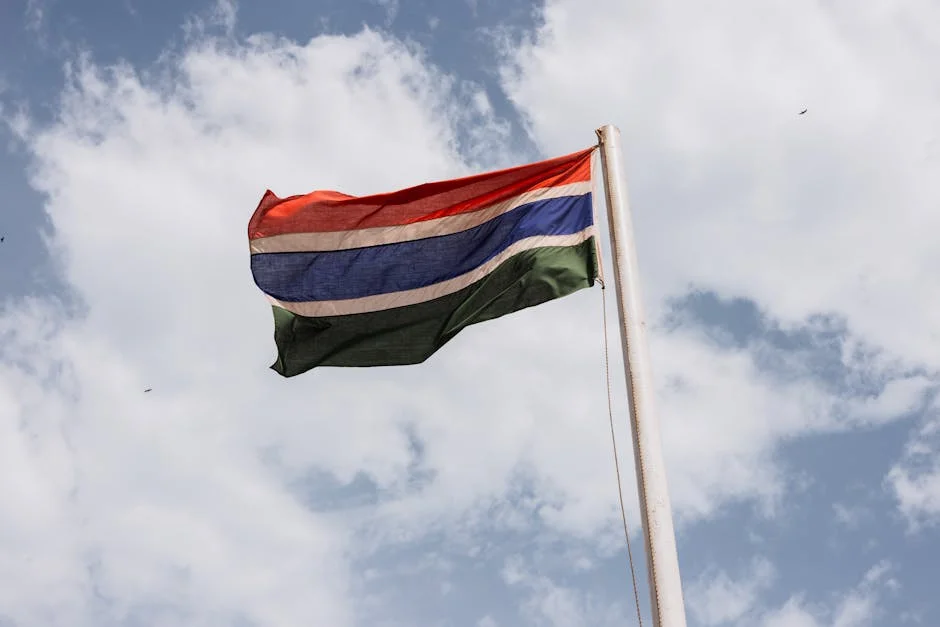
Casamance’s location near The Gambia adds another layer of complexity to its security situation. The two countries share historical ties and cultural similarities, but also face distinct political and economic landscapes. The proximity of The Gambia means that cross-border issues, such as smuggling and migration, can impact both nations’ stability and development goals.
Economic Implications for Casamance
The cannabis industry plays a significant role in the local economy of Casamance. Farmers and traders benefit from the cultivation and sale of cannabis, which contributes to their livelihoods and supports local communities. However, this economic activity also presents challenges for governance and infrastructure development. Ensuring that the benefits of cannabis production reach all residents requires effective management and investment in public services.
In addition to cannabis, the agricultural sector in Casamance includes other important crops such as rice, peanuts, and mangoes. Strengthening the overall agricultural productivity could help diversify the local economy and reduce reliance on any single crop. This would not only boost economic resilience but also enhance food security for the region.
Impact on Development Goals


The loss of a Senegalese soldier during the anti-cannabis operation serves as a reminder of the ongoing obstacles to achieving development goals in Casamance. Security is a fundamental prerequisite for progress in many areas, including healthcare, education, and infrastructure. Instability can hinder investments in these sectors and make it difficult to attract both domestic and international resources.
Furthermore, the conflict in Casamance affects not only the immediate region but also has broader implications for Senegal’s national development. Achieving peace and stability in Casamance is crucial for the country’s overall economic growth and integration into regional trade networks. It also influences Senegal’s ability to meet its commitments under various international development frameworks, such as the United Nations Sustainable Development Goals.
Governance and Political Dynamics
The political landscape of Casamance is intricate, with multiple factions vying for influence and control. The presence of separatist movements complicates governance structures and can lead to power imbalances within local communities. Effective governance is essential for addressing the needs of all residents and ensuring fair distribution of resources.
Improving governance in Casamance involves strengthening democratic institutions, enhancing transparency, and promoting participation from all segments of society. This not only aids in resolving long-standing conflicts but also creates a more stable environment for economic activities and social development. Additionally, better governance can facilitate collaboration between Casamance and neighbouring regions, fostering mutual benefits and shared prosperity.
Opportunities for Regional Cooperation
The events in Casamance offer opportunities for increased cooperation between Senegal and The Gambia. Both countries have much to gain from closer ties, especially in terms of trade, tourism, and cultural exchange. By working together to address common challenges, they can build stronger regional partnerships that support sustainable development across the sub-Saharan region.
Regional cooperation also extends to educational and healthcare initiatives, where shared resources and expertise can lead to improved outcomes for all involved. For instance, joint research projects and training programs can enhance the quality of services provided in both countries, benefiting millions of people.
Conclusion
The death of a Senegalese soldier during an anti-cannabis operation in Casamance highlights the complex interplay of security, economics, and governance in this part of Africa. While the incident brings attention to ongoing challenges, it also presents opportunities for progress through strengthened regional cooperation and targeted development initiatives. As Senegal continues its journey towards achieving its national and continental development goals, the stability and prosperity of Casamance will remain a key factor in its success.