Senegal tightens anti-gay laws, sparking concern from rights groups across the continent. The new legislation aims to curb same-sex relationships, raising questions about human rights and social progress in West Africa.
New Law Restricts Freedom
The Senegalese parliament has approved stricter penalties for same-sex couples, marking a significant step backwards for LGBTQ+ rights in the country. Under the new law, individuals found in violation can face up to five years in prison and substantial fines. This move has been met with criticism from international and local advocacy groups who argue that it infringes upon fundamental freedoms and equality.
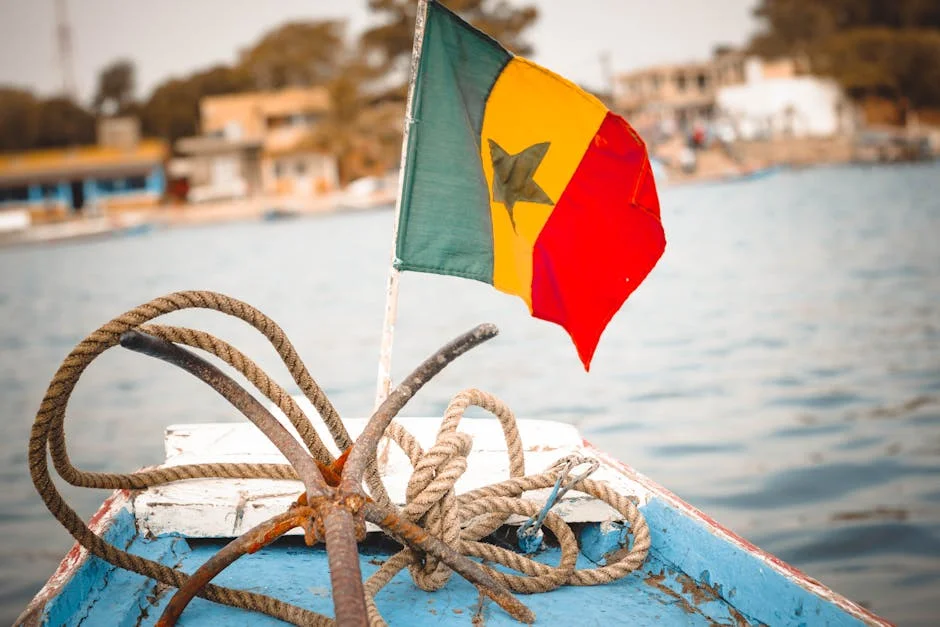
In contrast to many other nations in the region, Senegal had previously been seen as more accepting of LGBTQ+ individuals, with relatively fewer legal restrictions compared to its neighbours. However, the recent tightening of laws reflects broader trends in the continent, where several countries have recently passed similar measures aimed at regulating personal relationships and cultural practices.
Concerns Over Human Rights
Rights groups express worry over the potential impact of the new law on the lives of LGBTQ+ individuals in Senegal. They fear that increased legal penalties could lead to heightened discrimination, social isolation, and even violence against those who do not conform to traditional gender roles or sexual orientations.
These concerns are particularly poignant given the historical context of Senegal, where cultural and religious norms have played a crucial role in shaping societal attitudes towards different groups. Advocates stress the importance of maintaining inclusive policies that protect all citizens, regardless of their sexual orientation or gender identity.
African Development Goals at Stake


The approval of tougher anti-gay laws in Senegal raises important questions about the continent’s development goals and its commitment to fostering an environment of equality and opportunity for all its citizens. As African nations strive to achieve the United Nations Sustainable Development Goals by 2030, ensuring that everyone enjoys basic human rights is a critical component of this vision.
Moreover, the new law highlights the ongoing challenge of balancing traditional values with modern aspirations for social justice and inclusivity. For Senegal, and indeed for many African countries, this means navigating complex cultural landscapes while working towards greater equality and prosperity for all members of society.
Economic Implications for Senegal
The passage of the new law also carries economic implications for Senegal. Tourism, a key sector for the country’s economy, may be affected if visitors and investors perceive the country as less welcoming or diverse than before. Additionally, the business community has expressed concern over the potential negative impact on talent retention and attraction, as skilled workers may choose to relocate to more LGBTQ+-friendly environments.
However, there are also opportunities for Senegal to showcase its cultural richness and diversity, despite the new legal constraints. By highlighting the unique aspects of its heritage and welcoming spirit, the country can continue to attract tourists and investors interested in exploring its vibrant arts scene and warm hospitality.
Navigating Social Change in Senegal
The introduction of stricter anti-gay laws in Senegal serves as a reminder of the ongoing social changes occurring across the continent. While traditional values remain deeply rooted, there is also a growing recognition of the importance of inclusivity and diversity in shaping a prosperous future for all Africans.
As Senegal moves forward, it will be crucial for policymakers to consider both the cultural significance and the practical realities of balancing tradition with modernity. By doing so, the country can set an example for other nations facing similar challenges in their journey towards greater equality and development.