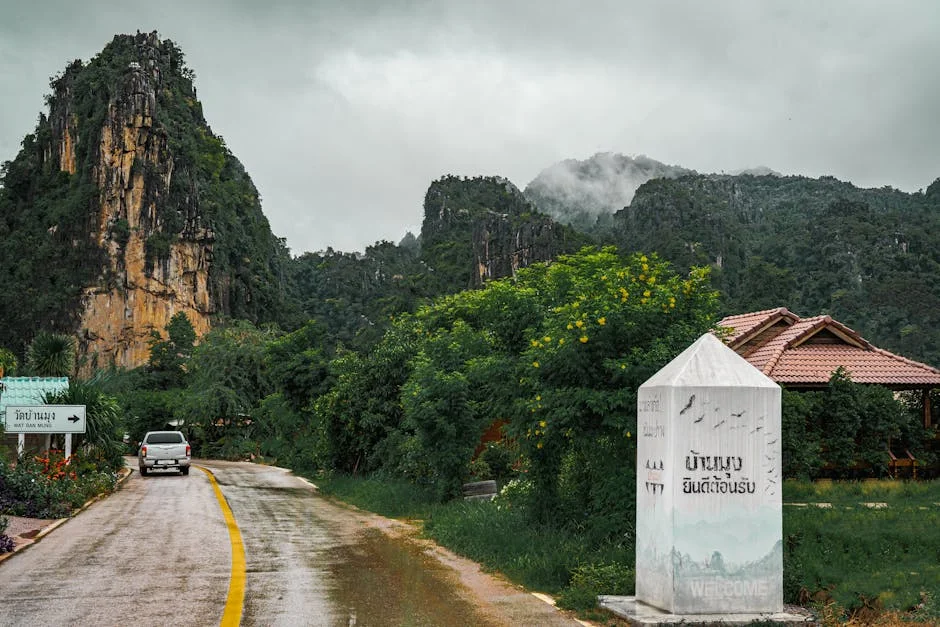
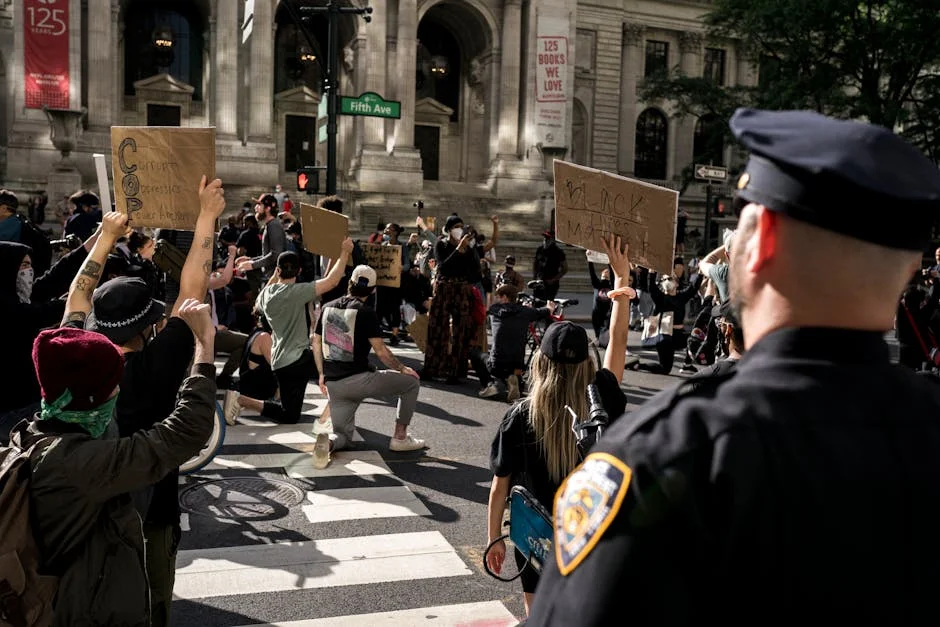
Nigerian content creators have been warned by the National Digital Economy Council (NDPC) to obtain consent before filming Nigerians, a move that highlights the importance of respecting individual rights as Nigeria continues to develop its digital economy.
Respecting Cultural Rights in the Digital Age
The NDPC's recent directive underscores the growing significance of digital content creation in Nigeria, a country that is increasingly becoming a hub for African media and entertainment. This move not only protects individuals from having their likeness used without permission but also sets a precedent for other African nations to follow when it comes to balancing creative freedom with personal privacy. As Nigeria continues to grow economically, such steps are crucial in ensuring that all citizens benefit from the burgeoning digital landscape.

The Impact on Nigeria’s Creative Sector
This development is particularly significant for Nigeria's creative sector, which has seen tremendous growth in recent years. The film industry, known locally as Nollywood, is one of the largest in the world, producing more movies annually than Hollywood. With the rise of social media platforms and the increasing popularity of Nigerian content creators, the need for clear guidelines on consent becomes even more pressing. By ensuring that content creators respect the rights of those they film, Nigeria can foster a vibrant and sustainable creative ecosystem that benefits both local artists and the broader population.
Connecting Nigeria and South Africa
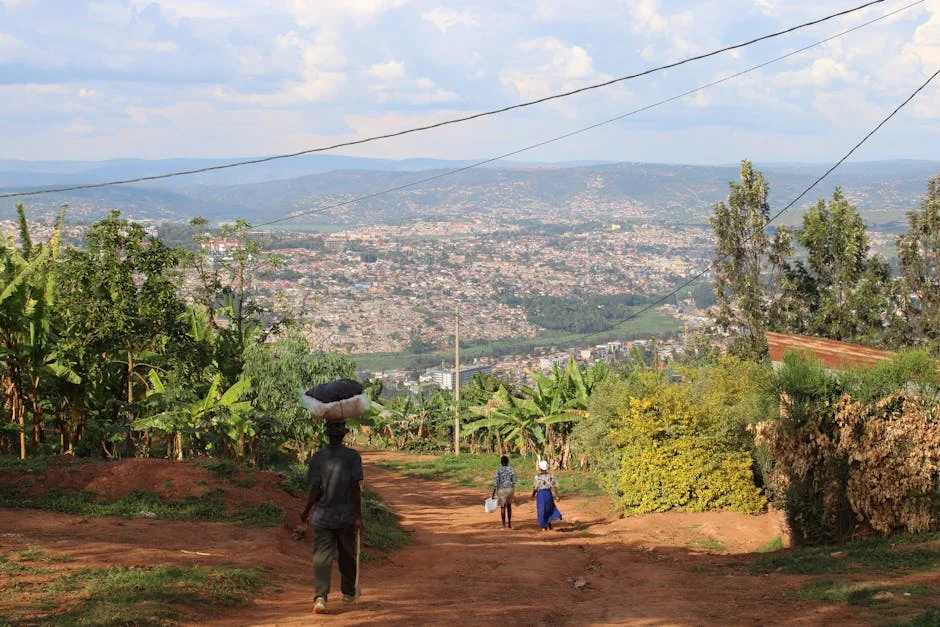
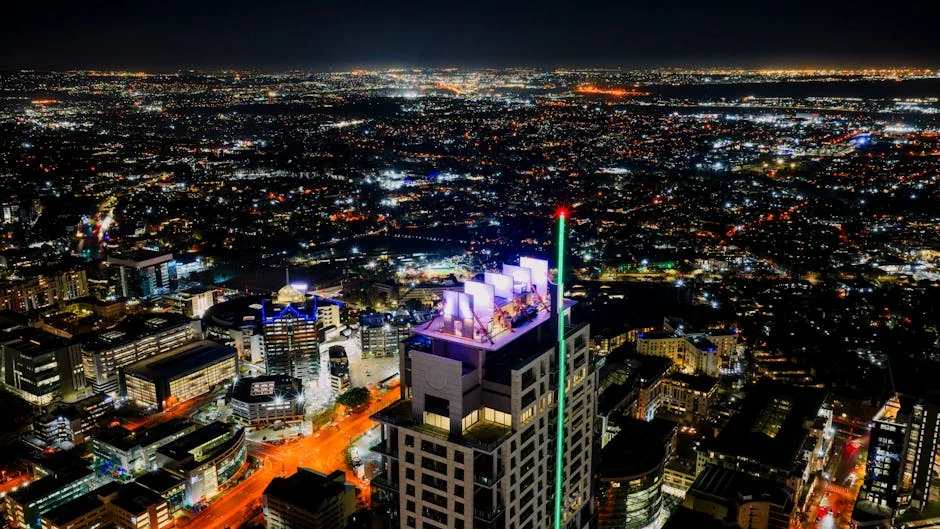
Nigeria's developments in the digital and creative sectors have far-reaching implications for its neighbours, including South Africa. Both countries share a rich cultural heritage and often collaborate in various fields, from music to film. As Nigeria strengthens its digital economy, it creates new opportunities for South African businesses and artists to engage with Nigerian markets. This interconnectivity is vital for fostering regional integration and economic growth across the continent.
African Development Goals and Challenges
The NDPC's decision aligns with broader African development goals, particularly those related to promoting innovation, protecting intellectual property, and enhancing individual rights. However, it also presents challenges. Ensuring compliance with new regulations requires effective governance and robust legal frameworks, areas where many African countries are still working to improve. Despite these challenges, Nigeria's progress in digital content creation serves as an example for other nations on the continent, showcasing the potential for creative industries to drive economic growth and cultural exchange.
The Role of Education and Infrastructure
Education and infrastructure play crucial roles in supporting Nigeria's digital ambitions. A well-educated workforce equipped with the necessary skills can drive innovation and creativity in the content creation sector. Additionally, reliable internet access and modern technology infrastructure are essential for connecting creators with audiences both within Nigeria and internationally. As Nigeria invests in these areas, it positions itself not just as a leader in African content creation but also as a model for other developing economies looking to harness the power of digital media.
Conclusion
The NDPC's warning to content creators about obtaining consent before filming Nigerians marks an important step in Nigeria's journey towards a thriving digital economy. It highlights the country's commitment to balancing individual rights with creative freedom, setting the stage for continued growth and success in the creative sector. As Nigeria continues to develop, its progress will have ripple effects across the continent, inspiring other African nations to pursue similar goals and fostering a shared vision of cultural richness and economic prosperity.