The Indian Navy is providing security to an LPG-laden tanker that has become stuck near the strategic Strait of Hormuz, with drones patrolling the area to ensure safety. This development highlights the importance of maritime routes for global trade, which also impacts South Africa’s economic growth and development.
Indian Navy Ensures Safety in Hormuz
The Indian Navy is closely monitoring the situation of an LPG tanker that has become stranded near the Strait of Hormuz, a vital shipping lane through which much of the world's oil passes. The tanker, laden with liquefied petroleum gas (LPG), is currently awaiting assistance while the navy works to ensure its safe passage.
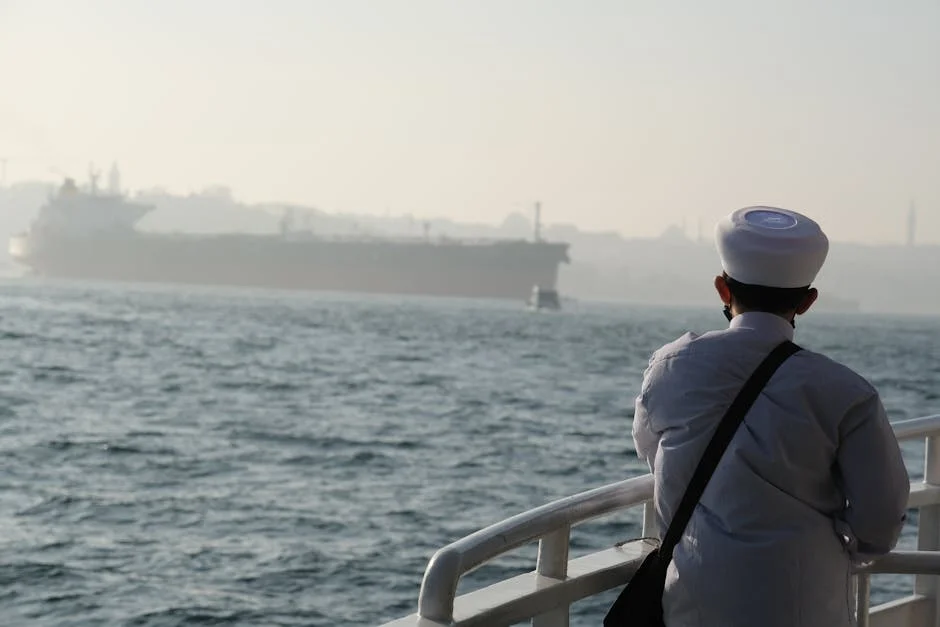
This incident underscores the critical role played by the Indian Navy in safeguarding maritime trade routes, which are essential not only for India but also for many African nations, including South Africa, who rely heavily on imports and exports via these routes.
Drones Provide Surveillance Over Hormuz
As part of their efforts to secure the area, the Indian Navy has deployed drones to patrol the waters around the stranded tanker. These unmanned aerial vehicles provide real-time surveillance, helping to detect any potential threats or hazards that could affect the safety of the tanker and other vessels in the vicinity.
The use of drones for such tasks demonstrates advancements in technology and military capabilities, which can have broader implications for maritime safety and security across the globe. For countries like South Africa, which have growing maritime industries, this highlights the importance of investing in similar technologies to enhance their own naval capacities.
Strategic Importance of Hormuz


The Strait of Hormuz is one of the busiest waterways in the world, connecting the Persian Gulf to the Arabian Sea. It serves as a crucial link for oil transportation, with about a fifth of the world's oil passing through it every day. The strategic significance of this strait means that any disruption to its normal operations can have far-reaching effects on global energy markets and supply chains.
For South Africa, which imports a significant portion of its crude oil needs, disruptions in the Hormuz region could lead to increased costs and supply uncertainties. Therefore, the stability provided by the Indian Navy’s actions is beneficial not just to India, but to many economies reliant on Middle Eastern oil, including South Africa.
Implications for South Africa
The current situation near Hormuz highlights the interconnectedness of global trade and the importance of maintaining safe and open sea lanes. South Africa, as a major player in the African economy, benefits from stable and efficient maritime transport, which supports its industrial and commercial activities.
In addition to the direct impact on oil supplies, South Africa’s ports and shipping industry stand to gain from technological advancements showcased by the Indian Navy, such as drone usage. By adopting similar innovations, South Africa can improve its own maritime security and efficiency, contributing to overall economic growth and development.
Economic Growth and Development
The Indian Navy’s actions near Hormuz serve as a reminder of the interplay between maritime security and economic growth. Stable and secure shipping routes are crucial for the flow of goods and resources, supporting industries and driving economic activity both locally and globally.
For South Africa, enhancing its maritime capabilities aligns with broader goals of fostering economic growth and development. By strengthening its naval forces and embracing technological advancements, South Africa can better protect its interests and contribute to regional stability, benefiting from improved trade and investment opportunities.
Conclusion
The Indian Navy’s efforts to secure the LPG tanker near Hormuz highlight the ongoing importance of maritime safety and the interconnected nature of global trade. As South Africa continues to pursue its development goals, it stands to benefit from the stability and security provided by robust maritime protection measures, such as those demonstrated by the Indian Navy.
Through continued investment in technology and naval capabilities, South Africa can enhance its own maritime security and support its economic ambitions, contributing to a thriving and prosperous continent.