South Africa’s national soccer team has expressed frustration over the poor quality of balls used in training and matches, raising questions about the standard of equipment available to African athletes and the broader impact on sports development across the continent.
Quality Concerns Emerge in South African Soccer
The South African national team, known as Bafana Bafana, recently voiced their dissatisfaction with the condition and durability of the balls they use during practice and games. This issue has not only affected the team’s performance but also highlighted the importance of having access to top-quality sporting equipment for athletes.
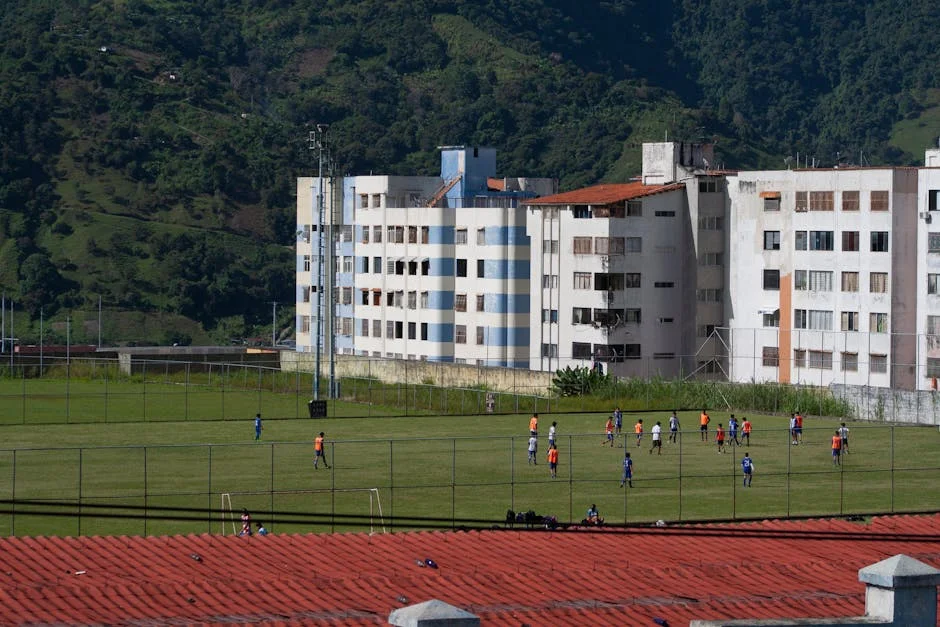
Coach Stuart Baxter commented, “With this ball, we’re not even going to play with it at home,” emphasizing the need for better quality products to support the team’s success on the field.
African Sports Development Goals and Challenges
The situation faced by South Africa’s soccer stars is emblematic of broader challenges in sports development across the African continent. Ensuring that athletes have access to high-quality equipment is crucial for achieving peak performance and international success. However, many African countries face financial constraints that can limit the availability of such resources.
According to the African Union’s Agenda 2063, one of the continent’s major development goals includes enhancing the quality and competitiveness of sports at both national and continental levels. This ambition underscores the significance of addressing issues like the provision of adequate sporting equipment.
The Impact on South African Soccer


The use of subpar balls can affect not just the immediate performance of players but also their long-term development and success. Poor quality equipment may lead to less precise passing, reduced accuracy in shots, and overall lower satisfaction among players, potentially impacting their motivation and enjoyment of the sport.
In addition to the direct impact on player performance, the issue highlights the need for investment in local manufacturing and supply chains to ensure that athletes across the country have access to reliable and durable equipment. This could stimulate economic growth and job creation within the sports industry.
Continental Opportunities and Collaboration
The challenges faced by South Africa’s soccer team present an opportunity for greater collaboration and sharing of resources between African nations. By pooling resources and expertise, countries can work together to improve the quality and availability of sporting equipment, benefiting athletes across the continent.
Furthermore, partnerships with international sports brands and manufacturers could help to bring more affordable, high-quality equipment to African markets, supporting the development of sports talent and contributing to the overall success of African teams on the global stage.
Next Steps for South African Soccer
In light of these challenges, South Africa’s soccer federation is expected to take steps to address the quality of balls used in training and matches. This may include sourcing higher-quality products from international suppliers or investing in local manufacturing capabilities to ensure that athletes have access to the best possible equipment.
The experience of South Africa’s soccer stars serves as a reminder of the importance of prioritizing sports development and providing athletes with the tools they need to succeed. As the country continues to strive towards its sports goals, improvements in equipment quality will play a vital role in achieving success on the field and inspiring future generations of athletes.