The South African Police Service has issued a warning to residents to refrain from spreading rumours about an LPG shortage, as the country grapples with supply issues that have affected millions of households.
LPG Shortage Hits South Africa
The recent shortage of liquefied petroleum gas (LPG) in South Africa has left many households without access to this essential fuel for cooking and heating. This situation has sparked concern among consumers and led to a surge in demand for alternative energy sources.
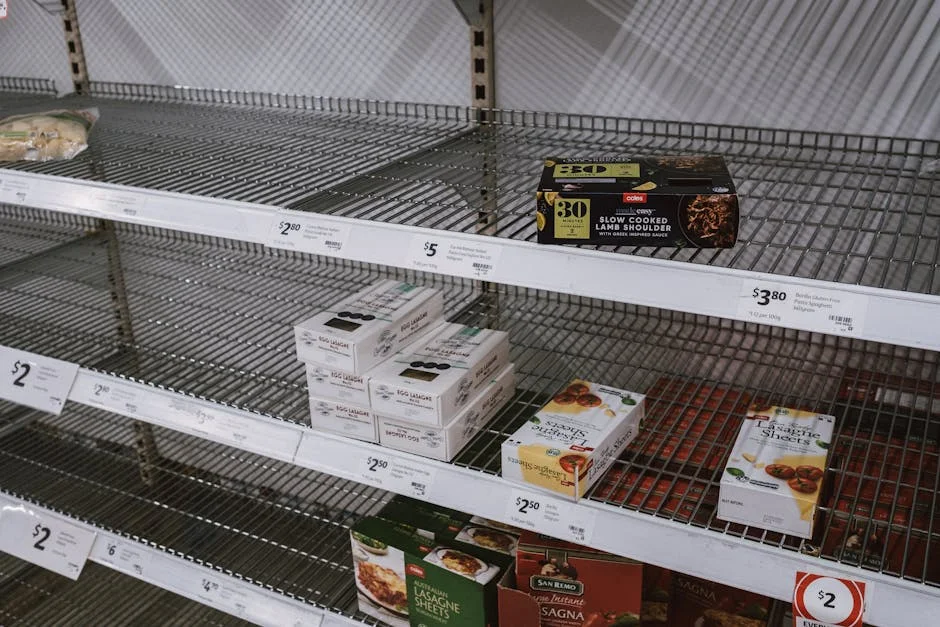
According to the Department of Mineral Resources and Energy, the shortage is primarily due to disruptions in the supply chain caused by logistical challenges and production delays at local refineries.
Rumours Spread Wider Than the Gas Itself
In response to the scarcity of LPG, residents have taken to social media and word-of-mouth to share information and seek solutions. However, this has also created an environment where misinformation can spread rapidly.
The police have now stepped in to address this issue, urging citizens to verify any information they receive before sharing it widely. They remind people that spreading unverified rumours can cause unnecessary panic and confusion.
African Development Goals at Stake


This LPG shortage highlights several challenges faced by South Africa and other African nations as they strive towards their development goals. Ensuring a stable and reliable supply of essential goods such as LPG is crucial for maintaining quality of life and supporting economic growth.
The shortage also underscores the importance of robust infrastructure and efficient logistics networks, which are key components in achieving sustainable development across the continent.
Impact on Daily Life and Economy
The shortage has had a direct impact on the daily lives of South Africans, particularly those who rely on LPG for their basic needs. Many families have had to adapt quickly, finding alternative sources of fuel or adjusting their routines to conserve what little LPG they have.
Economically, the shortage has created additional costs for consumers and businesses, as prices for LPG and related products have risen. This can have a ripple effect throughout the economy, potentially slowing down growth and affecting the broader goal of reducing poverty and increasing prosperity.
Looking Ahead
As the situation continues to unfold, it will be important to monitor how effectively the government and private sector work together to resolve the LPG shortage. This includes addressing any underlying issues in the supply chain and ensuring that future shortages are less likely to occur.
The experience of this shortage offers valuable lessons for South Africa and other African countries, highlighting the need for strong infrastructure, effective communication, and coordinated efforts to manage resources efficiently.