Iran's relentless attacks on oil infrastructure and shipping lanes have caused global oil prices to soar, impacting not just the Middle East but also far-reaching regions such as Africa. As the conflict continues, the continent faces both challenges and opportunities in its quest for sustainable development.
American and Israeli Responses to Iran's Aggression
The United States and Israel responded swiftly to the ongoing attacks on Thursday, deploying military assets and intelligence operations to monitor and counter Iranian actions. These responses underscore the complex geopolitical dynamics at play, with Iran's actions having significant implications for the global economy and regional stability.

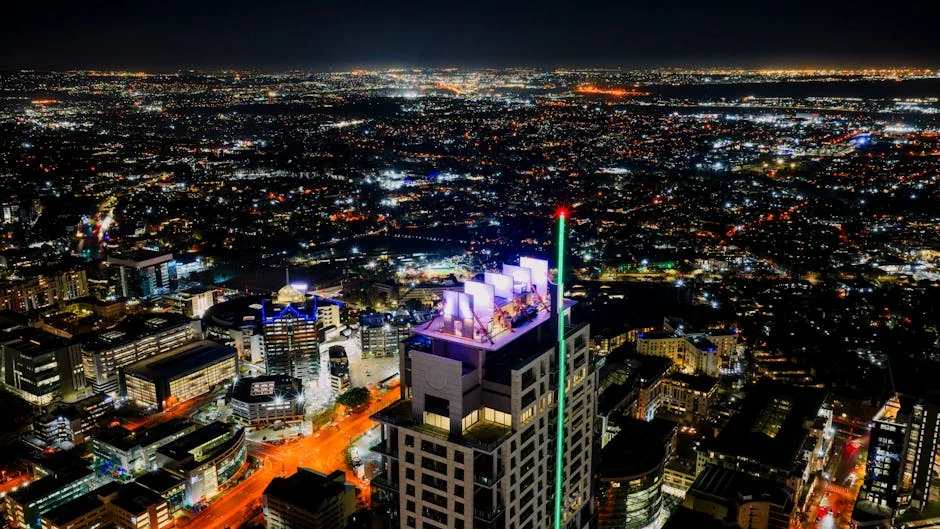
South Africa, as a major player in the African market, is closely watching these developments, given its substantial trade ties with the Middle East and its own energy needs. The rising oil prices could affect the cost of living and business expenses in South Africa and across the continent.
The Impact on African Economies
Africa's diverse economies rely heavily on imported goods, including oil, which makes them vulnerable to fluctuations in global markets. The increase in oil prices due to Iran's attacks could strain the budgets of African nations, particularly those that are already grappling with high levels of public debt and inflation.
However, the situation also presents an opportunity for African countries to strengthen their domestic industries and reduce reliance on imported goods. By investing in local manufacturing and production capabilities, African nations can insulate themselves from external shocks and create more resilient economies.
Infrastructure Development in Africa


The recent surge in oil prices highlights the importance of robust infrastructure in Africa. Reliable transportation networks, efficient ports, and modern energy systems are crucial for facilitating trade and supporting industrial growth. As African nations work towards achieving their development goals, they must prioritise infrastructure projects that enhance connectivity and boost productivity.
Investment in infrastructure not only improves the quality of life for citizens but also attracts foreign direct investment, which is vital for economic growth and job creation. With the right policies and partnerships, Africa can leverage its natural resources and strategic location to become a hub for global commerce.
Educational and Health Challenges in Africa
The impact of higher oil prices extends beyond the economic sphere, affecting areas such as education and healthcare. In many African countries, the cost of fuel influences the availability and accessibility of essential services, including transport to schools and hospitals.
To address these challenges, there is a need for increased investment in educational institutions and healthcare facilities. By improving access to quality education and medical care, African nations can build a skilled workforce and healthier populations, which are key drivers of long-term development.
Governance and Economic Growth in Africa
The current situation serves as a reminder of the interconnectedness of global markets and the importance of effective governance in navigating economic challenges. Strong leadership and sound policy-making are crucial for African countries to thrive in an increasingly competitive world.
As African nations continue to pursue their development goals, they must focus on fostering an environment that encourages innovation, entrepreneurship, and private sector growth. By doing so, they can create a more prosperous future for their citizens and contribute to the broader narrative of African success and resilience.
Frequently Asked Questions
What is the latest news about irans attacks trigger oil price surge what does it mean for african economies?
Iran's relentless attacks on oil infrastructure and shipping lanes have caused global oil prices to soar, impacting not just the Middle East but also far-reaching regions such as Africa.
Why does this matter for politics-governance?
American and Israeli Responses to Iran's Aggression The United States and Israel responded swiftly to the ongoing attacks on Thursday, deploying military assets and intelligence operations to monitor and counter Iranian actions.
What are the key facts about irans attacks trigger oil price surge what does it mean for african economies?
South Africa, as a major player in the African market, is closely watching these developments, given its substantial trade ties with the Middle East and its own energy needs.