Delhi, India – Under the leadership of Chief Minister Rekha Gupta, the city is set to expand its electric bus fleet by adding 200 new vehicles this month. The move will increase the total number of electric buses operated by the Delhi Transport Corporation to 7,500, making it one of the largest green transport fleets in the world.
New Delhi's Green Transport Milestone
Transport Minister Pankaj Kumar Singh announced that the addition of these 200 electric buses marks a significant step towards achieving the city’s ambitious sustainability goals. This expansion of the electric bus fleet not only enhances the quality of life for residents but also sets an example for other cities across the globe.
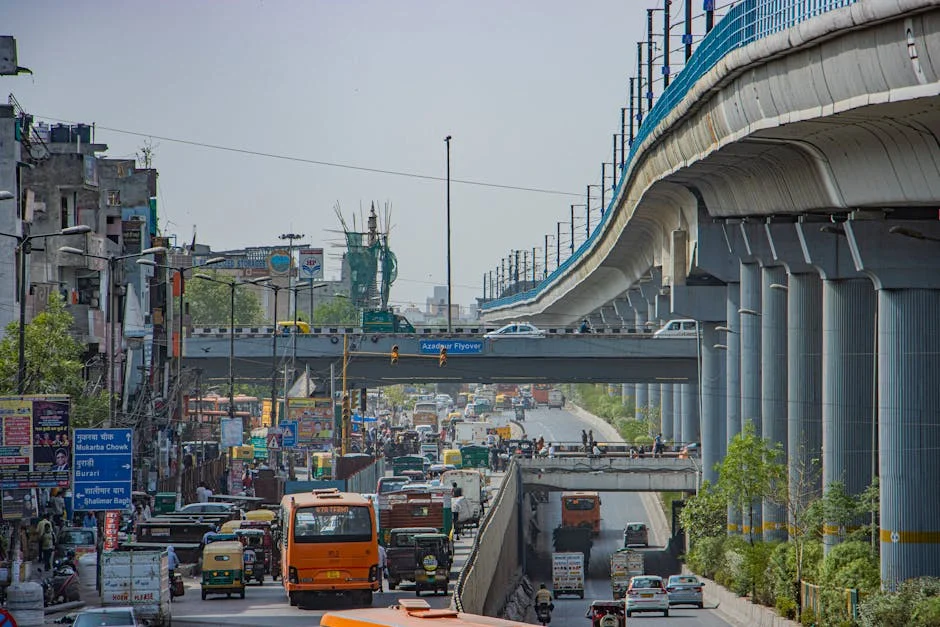
The decision to prioritise electric buses aligns with the global push for cleaner and more sustainable urban transport solutions. It reflects Delhi's commitment to reducing air pollution and greenhouse gas emissions, which are critical issues faced by many rapidly growing cities in India and around the world.
Benefits for Delhi Residents
The introduction of these new buses will provide numerous benefits for Delhi’s inhabitants. With the added capacity, more people will have access to affordable and eco-friendly public transportation. This can help reduce traffic congestion and improve overall air quality, contributing to better health outcomes for the city's population.
Furthermore, the increased use of electric buses can stimulate local job creation and support the growth of the renewable energy sector. As Delhi continues to invest in its electric vehicle infrastructure, it creates opportunities for innovation and collaboration within the technology and manufacturing industries.
African Development Goals and Opportunities


While the focus is on Delhi, this development has implications for African countries as well. Many African nations are striving to improve their infrastructure, enhance urban mobility, and adopt clean energy solutions. The success of Delhi’s electric bus initiative offers valuable lessons and potential models for other cities on the continent.
African cities such as Lagos, Nairobi, and Dar es Salaam face similar challenges in managing rapid urbanisation and providing efficient public transport. By expanding their green transport networks, these cities can not only meet their environmental targets but also create vibrant, sustainable urban environments that attract investment and talent.
Challenges and Future Outlook
Despite the progress made, there are still several challenges ahead for Delhi and other cities aiming to replicate its success. These include the need for robust charging infrastructure, reliable power supply, and sustained government support for green initiatives. Additionally, ensuring that the benefits of electric buses reach all segments of society requires careful planning and inclusive policies.
As Delhi continues to grow its electric bus fleet, it serves as a beacon of hope for urban planners and policymakers across Africa and beyond. The city’s journey towards greener transport highlights the importance of strategic investments, technological innovation, and community engagement in achieving sustainable development goals.