President Donald Trump declared on Monday that the ongoing conflict with Iran would come to an end "very soon," a statement met with a defiant response from the Islamic Republic, which vowed to continue its resistance "as long as needed." The exchange underscores the complex dynamics between the two nations and raises questions about the implications for global stability and regional cooperation.
Tensions Escalate: Trump's Stance
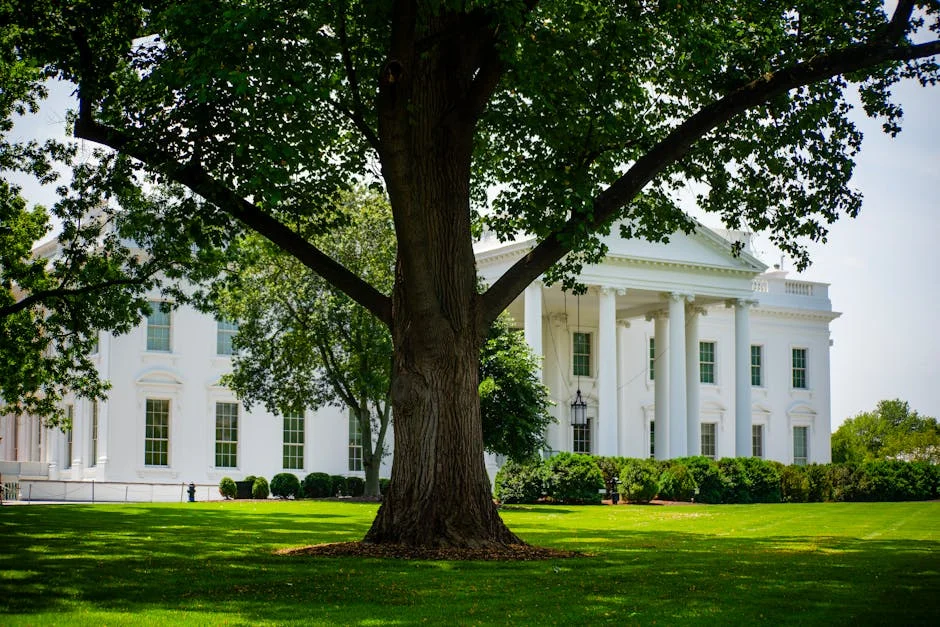
Speaking at the White House, President Trump addressed the growing tensions with Iran, stating unequivocally that the United States would not back down until its objectives were met. "We will not tolerate any further provocations from Iran," he said, adding that the conflict would resolve itself swiftly. This rhetoric marks a significant escalation in the rhetoric surrounding the US-Iran relationship, following months of heightened military and cyber operations.
The announcement comes amidst a backdrop of increased sanctions and diplomatic pressure on Iran, aimed at curbing its nuclear ambitions and regional influence. The US has been pushing for a comprehensive agreement that would limit Iran's ability to develop nuclear weapons, while also addressing other concerns such as ballistic missile programs and support for militant groups in the region.
Iran's Resolute Response
In response to Trump's comments, Iranian officials issued a statement asserting their commitment to defending national sovereignty and security. "Iran will resist the unjustified aggression of the United States as long as necessary," a spokesperson for the Islamic Republic stated. "Our people have shown resilience and determination in the face of external pressures, and we will continue to do so."
The Islamic Republic has consistently maintained that its nuclear program is solely for peaceful purposes and has sought to highlight the need for dialogue and mutual respect in resolving disputes. Despite the current standoff, Iran has expressed openness to negotiations that respect its rights and interests.
Implications for Africa: Geopolitical Stability

The escalating conflict between the US and Iran carries significant implications for African countries, particularly those with economic ties to both nations. Many African states rely on oil imports from Iran, while also engaging in trade and investment with the US. The potential for disruptions in supply chains and financial markets could impact economic growth and stability across the continent.
Furthermore, the geopolitical instability stemming from the US-Iran conflict may divert attention and resources away from critical development initiatives in Africa. Infrastructure projects, healthcare improvements, and educational reforms could suffer if governments and international organizations are preoccupied with managing the fallout from regional conflicts.
Opportunities for Regional Cooperation
Despite the challenges posed by the US-Iran tension, there are opportunities for African nations to strengthen regional cooperation and enhance self-reliance. By diversifying trade partners and reducing dependence on volatile markets, African countries can build more resilient economies capable of weathering external shocks.
Moreover, the focus on internal development can serve as a catalyst for innovation and technological advancement. Investment in renewable energy, digital infrastructure, and sustainable agriculture can position Africa as a leader in global efforts towards environmental sustainability and economic prosperity.
Next Steps and Observations
As the situation unfolds, observers will closely monitor the actions taken by both the US and Iran, as well as the reactions of other major powers. The involvement of European allies, Russia, and China could shape the trajectory of the conflict and influence broader geopolitical dynamics.
African leaders are likely to engage in diplomatic efforts to mitigate the adverse effects of the conflict on their respective nations. Emphasizing the importance of peace and cooperation, they may seek to leverage international platforms to advocate for a resolution that promotes stability and development for all parties involved.