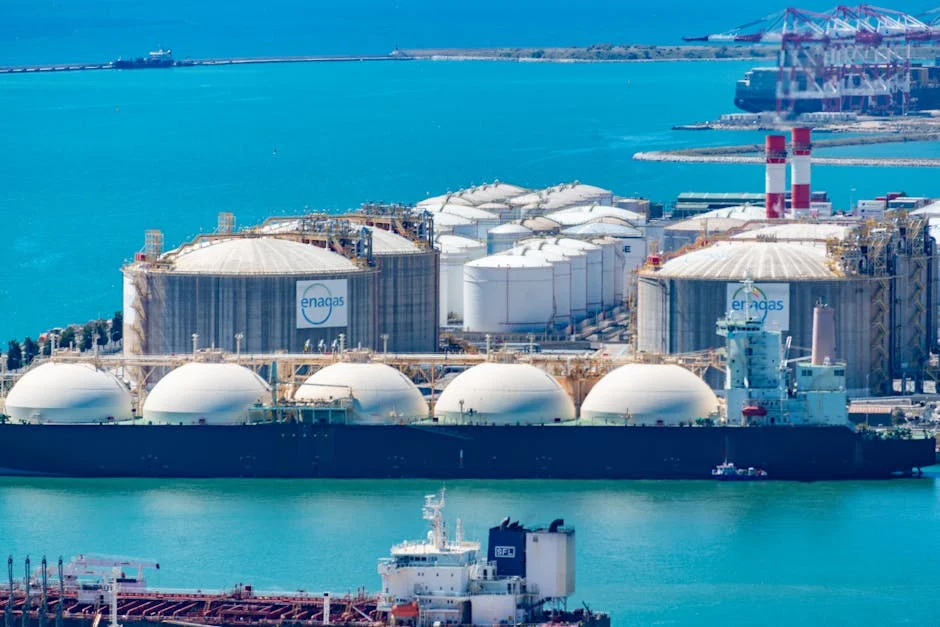
The South African government has pledged to provide fertiliser plants with a guaranteed 70% liquefied natural gas (LNG) supply, aiming to bolster the country's agricultural sector and meet national food security targets.
Government Announces LNG Supply Guarantee
The South African government recently announced a new initiative aimed at securing the future of the country’s agriculture by ensuring a steady supply of fertilisers. According to Minister of Agriculture, Thoko Didiza, the government will commit to supplying fertiliser plants with up to 70% of their required liquefied natural gas (LNG) needs. This move is part of broader efforts to enhance the domestic production of fertilisers, which are crucial for boosting crop yields and supporting the country's ambitious agricultural development plans.
The announcement came during a press conference where Didiza highlighted the importance of a stable and reliable supply chain for agricultural inputs. She stated that the government recognises the critical role that fertilisers play in increasing productivity and ensuring food security, especially in light of rising global commodity prices and climate change challenges.
Boosting Agricultural Productivity and Food Security
The government's pledge to support fertiliser production aligns closely with the country's National Development Plan (NDP), which aims to reduce poverty and inequality through sustainable economic growth. By guaranteeing access to essential resources such as LNG, the government hopes to stimulate agricultural productivity and contribute to achieving the NDP's food security objectives.
Fertiliser plants across the country have welcomed the government's commitment, expressing optimism about the potential for increased production and lower costs. This initiative could also help to reduce the reliance on imported fertilisers, thereby strengthening the local economy and reducing the trade deficit.
Challenges and Opportunities for African Development


This development comes at a time when many African countries are grappling with similar challenges related to agricultural productivity and food security. Across the continent, there is a growing recognition of the need to invest in agricultural infrastructure and improve access to essential inputs such as fertilisers, irrigation systems, and modern farming techniques.
South Africa's approach to securing LNG supplies for fertiliser production offers a model that other African nations could potentially adopt. By prioritising the domestic production of agricultural inputs, governments can enhance self-sufficiency and resilience in the face of external shocks, such as fluctuating global markets and climate-related disruptions.
However, the success of this initiative will depend on several factors, including the efficient management of resources, effective coordination between different stakeholders, and sustained investment in research and development. The government must also address potential bottlenecks in the supply chain and ensure that the benefits of increased fertiliser production reach small-scale farmers, who often struggle to afford inputs despite their vital role in the agricultural sector.
Implications for Economic Growth and Governance
From an economic perspective, the government's focus on supporting the fertiliser industry represents a strategic investment in one of the most important sectors of the South African economy. By fostering a robust agricultural sector, the government can create jobs, stimulate rural development, and generate additional revenue through export opportunities.
Moreover, this initiative underscores the importance of good governance and public-private partnerships in driving progress towards developmental goals. The government's collaboration with private sector entities involved in fertiliser production demonstrates a commitment to working together to overcome common challenges and achieve shared objectives.
As the government moves forward with its plans to boost fertiliser production, it will be crucial to monitor the implementation process and evaluate the outcomes. Regular assessments should be conducted to identify any areas for improvement and ensure that the initiative remains aligned with broader development priorities.
Future Outlook and Recommendations
Looking ahead, the South African government should consider expanding its support for the agricultural sector beyond fertiliser production. Additional measures could include investing in irrigation infrastructure, promoting agro-processing industries, and enhancing access to finance for farmers. These actions would further strengthen the agricultural value chain and contribute to long-term economic growth.
In addition, the government should work closely with regional partners to explore opportunities for collaboration in the agricultural sector. By sharing knowledge, expertise, and resources, African countries can collectively address common challenges and leverage their comparative advantages to drive sustainable development.
The recent pledge to secure LNG supplies for fertiliser plants marks an important step towards achieving South Africa's agricultural development goals. As the government continues to implement this initiative, it will be essential to maintain a focus on inclusivity, efficiency, and sustainability to ensure that the benefits of increased agricultural productivity are widely distributed and long-lasting.