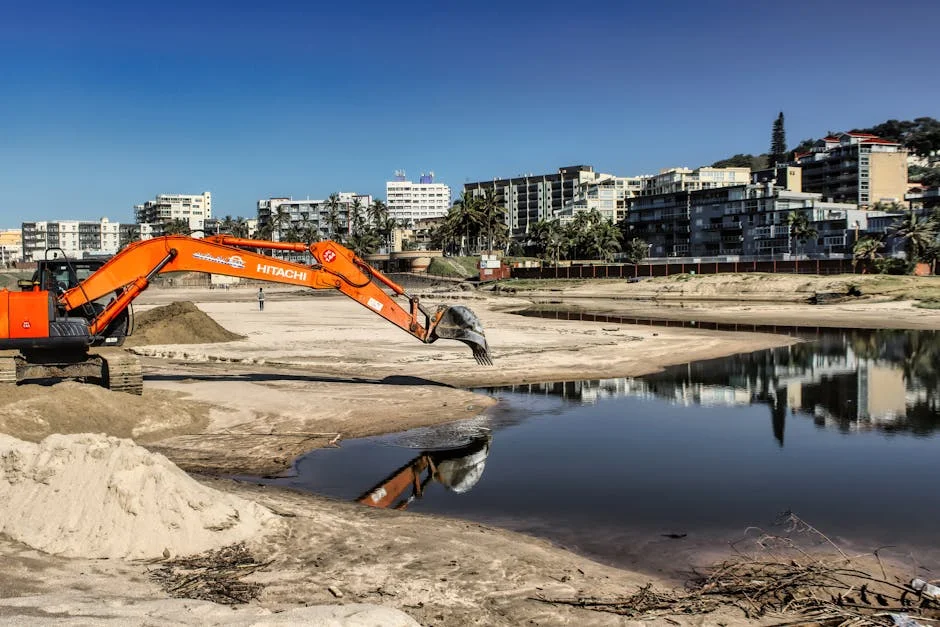
Revista has criticised South Africa’s recent allocation of R15 million for beach restoration ahead of summer, questioning the government's priorities amidst rising fuel costs and broader socio-economic challenges. The new fuel price hike is set to exacerbate existing economic pressures, raising concerns about the country's ability to meet its development goals.
Revista Critiques Beach Recovery Spending
Revista, a leading publication, has recently highlighted the government's decision to allocate R15 million towards restoring beaches before the summer season. This move comes at a time when many South Africans are grappling with rising unemployment rates and inflation, which have been exacerbated by increasing fuel prices. Critics argue that spending on such projects diverts resources from more pressing needs, such as healthcare and education. The allocation is part of a broader tourism strategy aimed at boosting the sector, but it has drawn significant criticism for its timing and perceived lack of urgency compared to other developmental needs.

Fuel Price Hike Adds to Economic Strain
The same week saw the announcement of yet another increase in fuel prices, with diesel and petrol seeing substantial hikes. This marks the latest in a series of price increases that have had a ripple effect across various sectors of the economy. The South African government attributes the hikes to global oil prices and the weakening rand, but critics argue that the timing coincides with the beach recovery funding, highlighting a misalignment of priorities. Economists predict that these price rises will further strain household budgets and could lead to reduced consumer spending, potentially slowing down economic growth.
Implications for Development Goals

South Africa has ambitious development goals outlined in the National Development Plan (NDP), which includes targets for poverty reduction, job creation, and improved access to basic services. However, the current economic climate poses significant challenges to achieving these objectives. The focus on beach restoration and the concurrent fuel price hikes raise questions about the government's ability to prioritise critical areas of need. Advocates for development argue that resources should be redirected towards improving infrastructure, healthcare facilities, and educational institutions, which would have a more direct and positive impact on the lives of ordinary citizens.
Continental Challenges and Opportunities
While South Africa faces unique domestic challenges, its struggles reflect broader issues faced by many African countries. Across the continent, there is a growing recognition of the need to balance immediate economic pressures with long-term developmental goals. Initiatives such as the African Continental Free Trade Area (AfCFTA) aim to foster intra-African trade and stimulate economic growth, but these require robust domestic economies capable of supporting such ambitions. South Africa's experience highlights the importance of strategic resource allocation and the potential pitfalls of prioritising short-term gains over long-term stability and progress.
What to Watch Next
As South Africa navigates these challenges, stakeholders will be closely watching how the government responds to public criticism and whether there are any shifts in policy direction. The upcoming budget review may provide insights into how funds are allocated and whether there will be a greater emphasis on addressing the root causes of economic instability. Additionally, the success or failure of initiatives like the beach recovery project could influence future spending decisions, potentially setting a precedent for how similar projects are funded and prioritised in the future.