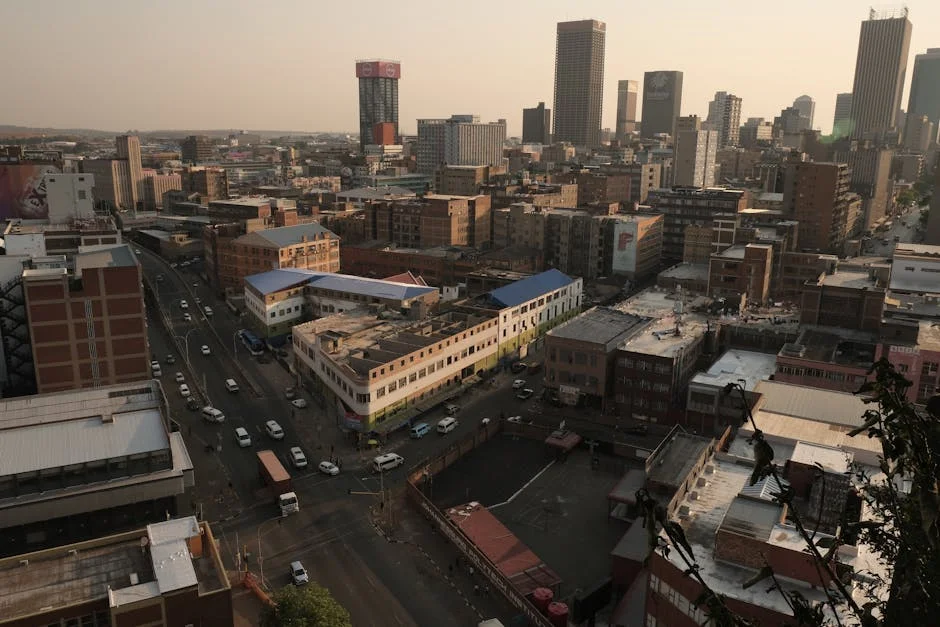
Johannesburg residents are once again grappling with a pungent smell that has brought back memories of past environmental crises, reigniting urgent calls for improved air quality management in the city. The stench, which has been reported across several suburbs, has raised concerns about potential health risks and the broader implications for one of South Africa’s key economic hubs.
The Return of the Smell
The latest incident has seen residents across Johannesburg, colloquially known as Jozi, reporting a strong, unpleasant odour that has persisted for days. While the exact source remains under investigation, previous incidents have been linked to industrial emissions and waste management issues. This recurrence highlights ongoing challenges in addressing air pollution, a critical issue for the city's 5.8 million inhabitants.

Local authorities have assured the public that they are actively investigating the cause and working towards mitigating any adverse effects. However, the persistent nature of such occurrences underscores the need for more robust and proactive measures in managing environmental health risks.
Health Implications and Public Response
The recurring air quality issues in Johannesburg have significant health implications. According to the World Health Organization (WHO), poor air quality can lead to respiratory problems, cardiovascular diseases, and even premature death. In response to the latest stench, local health departments have issued advisories urging residents to stay indoors and limit outdoor activities during peak hours.
Public outcry over these events has grown louder, with many calling for stricter regulations and enforcement against polluters. Social media platforms have become a hub for sharing information and raising awareness, with hashtags like #CleanAirJozi trending among concerned citizens.
Economic Impact and Development Goals


The air quality crisis in Johannesburg not only affects public health but also poses a threat to the city’s economic prospects. As a major financial and commercial centre, Johannesburg attracts significant investment and tourism. Persistent environmental issues could deter both foreign and domestic investors, impacting job creation and overall economic growth.
South Africa’s National Development Plan (NDP) sets ambitious targets for improving environmental sustainability and promoting inclusive growth. Addressing air quality challenges aligns closely with these goals, as clean air is essential for creating healthy, productive communities and fostering a positive business environment.
Continental Challenges and Opportunities
The air quality concerns in Johannesburg reflect broader environmental challenges faced by many African cities. Rapid urbanisation and industrialisation have led to increased pollution levels across the continent, posing serious threats to public health and sustainable development.
However, these challenges also present opportunities for innovation and collaboration. South Africa, along with other African nations, is increasingly looking towards renewable energy sources and sustainable urban planning as solutions to mitigate pollution and promote long-term economic stability.
Looking Forward: What Needs to Happen?
To effectively address the recurring air quality issues in Johannesburg, a multi-faceted approach is necessary. This includes stringent enforcement of existing environmental laws, investment in cleaner technologies, and community engagement to raise awareness and mobilise collective action.
Moreover, integrating air quality management into urban planning processes will be crucial for sustainable development. By prioritising green spaces, efficient public transport systems, and renewable energy projects, Johannesburg can set an example for other African cities striving to balance economic growth with environmental sustainability.
The recent resurgence of the Jozi stench serves as a stark reminder of the ongoing struggle to maintain clean air in one of Africa’s largest cities. As Johannesburg grapples with this challenge, the broader implications for public health, economic development, and environmental sustainability highlight the importance of sustained efforts to improve air quality across the continent.