Germany has officially rejected calls for reparations from former colonies in Africa, dealing a blow to the continent's efforts to seek reparative justice. The decision, announced in October, follows years of negotiations and historical debates over the atrocities committed during colonial rule.
The Rejection of Reparations
In a statement released by the German government, officials cited financial constraints and the need to focus on current developmental priorities as reasons for not offering reparations to countries like Kenya. This move comes despite significant pressure from African leaders and civil society groups who argue that acknowledging past wrongs is crucial for healing and moving forward. Kenya, which has been at the forefront of the reparations movement, expressed disappointment but vowed to continue advocating for reparative justice through other channels.
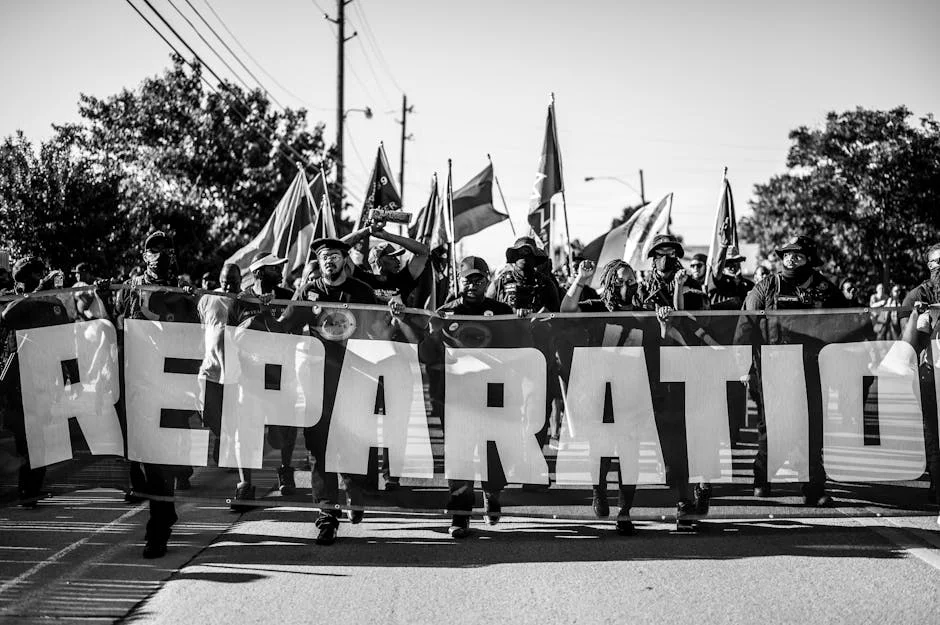
African Perspectives on Reparations
The rejection by Germany highlights the broader struggle across the African continent for recognition and compensation for historical injustices. Many African nations see reparations as a critical step towards addressing the socio-economic disparities left behind by colonialism. Leaders such as Kenyan President William Ruto have emphasized that reparations are not just about money but also about restoring dignity and fostering genuine reconciliation between former colonizers and colonized peoples.
The Role of Historical Justice
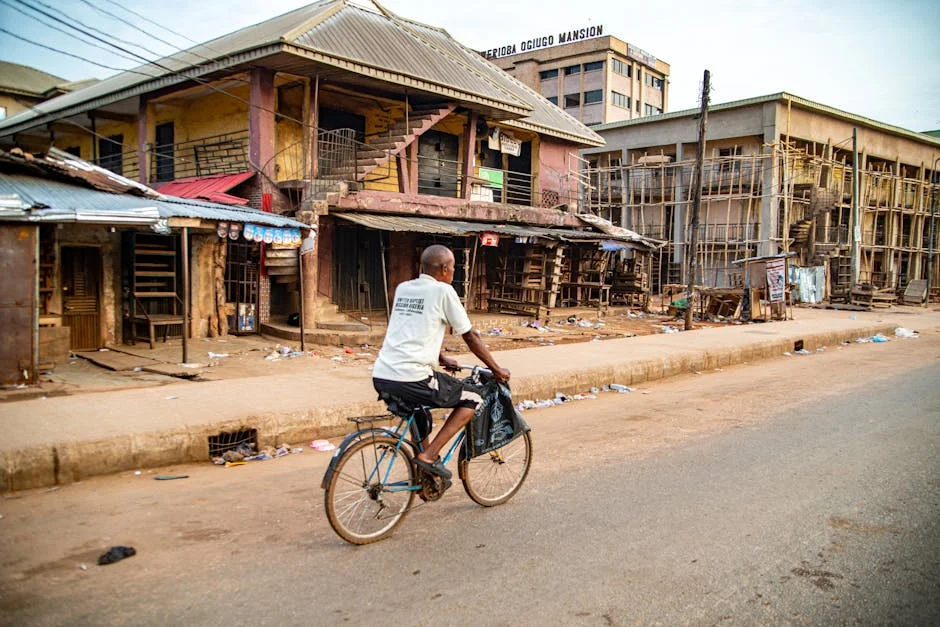
Historical justice plays a pivotal role in Africa’s quest for sustainable development. The unresolved legacies of colonialism continue to affect various aspects of life, including political stability, economic growth, and social cohesion. Advocates for reparations argue that without addressing these historical injustices, it will be challenging for African countries to achieve their development goals. For instance, reparations could fund educational programs, healthcare initiatives, and infrastructure projects that would benefit millions of people across the continent.
Continental Efforts Towards Healing
Despite the setback, there remains a strong commitment among African nations to pursue reparative justice through alternative means. Several African Union member states have initiated dialogues aimed at creating a framework for reparations that includes cultural restitution, educational support, and economic empowerment programs. These efforts underscore the importance of a pan-African approach to healing historical wounds and promoting unity and progress on the continent.
The Broader Impact on Development Goals
The push for reparations is intertwined with Africa’s broader development agenda. By addressing historical grievances, African countries hope to create an environment conducive to economic growth, improved governance, and enhanced public services. However, the lack of international support from former colonial powers poses significant challenges. Nonetheless, the determination to seek justice continues to drive African leaders and communities towards innovative solutions that can contribute to the continent's overall development and prosperity.
As Africa navigates the complex terrain of historical justice, the emphasis remains on forging a path that honors the past while building a better future. The ongoing efforts to advance reparative justice reflect a commitment to healing and transformation, essential components of Africa’s journey towards true independence and self-determination.
Frequently Asked Questions
What is the latest news about germany slams door on reparations africa pushes on with healing the full story?
Germany has officially rejected calls for reparations from former colonies in Africa, dealing a blow to the continent's efforts to seek reparative justice.
Why does this matter for culture-arts?
The Rejection of Reparations In a statement released by the German government, officials cited financial constraints and the need to focus on current developmental priorities as reasons for not offering reparations to countries like Kenya.
What are the key facts about germany slams door on reparations africa pushes on with healing the full story?
Kenya, which has been at the forefront of the reparations movement, expressed disappointment but vowed to continue advocating for reparative justice through other channels.