Canada’s Prime Minister Mark Carney announced a strategic pivot towards West Asian oil markets, citing the growing demand from India and the current global oil crisis. The move comes as the country seeks new avenues for economic growth amidst fluctuating global markets.
Canadian Strategy Aligns with Global Energy Shifts
Prime Minister Carney highlighted that Canada’s decision to focus on West Asian oil markets is driven by the rapid increase in energy demand from India, which is currently the world’s fastest-growing major economy. According to recent reports, India's energy consumption is expected to rise by over 40% by 2040, creating a significant market for oil-exporting nations.

This shift in Canada’s energy policy underscores the country’s commitment to adapt to changing global dynamics and secure long-term economic stability. The move also reflects a broader trend where traditional oil exporters are diversifying their customer base to mitigate risks associated with volatile global markets.
The Role of India in Shaping Global Oil Markets
The Indian government has been proactive in securing energy supplies to meet its burgeoning domestic needs. In 2022, India became the third-largest importer of crude oil, behind China and the United States, further solidifying its position as a key player in the global energy sector.
Carney’s announcement was met with cautious optimism from industry experts. “The alignment between Canada and India’s growing energy needs presents a unique opportunity for both countries,” stated Dr. Sarah Thompson, an energy economist at the University of Toronto. “However, it also poses challenges in terms of environmental sustainability and geopolitical considerations.”
Implications for African Development Goals

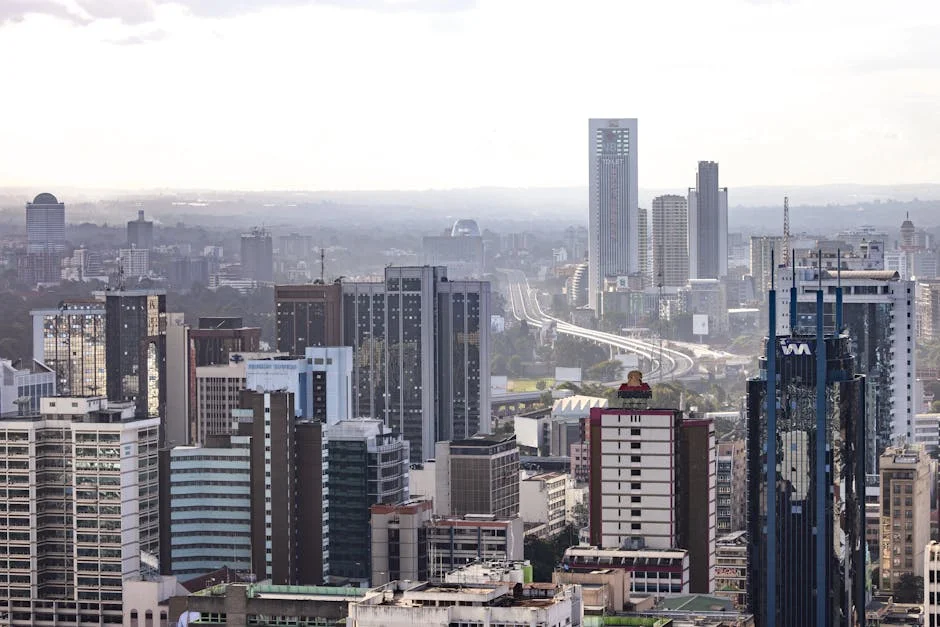
The strategic realignment of Canada’s oil policy has implications for African development goals, particularly in the areas of infrastructure, economic growth, and regional cooperation. As West Asian oil producers seek to diversify their export markets, there could be increased investment in African ports and transportation networks, enhancing the continent’s connectivity and economic integration.
Moreover, the shift could spur innovation and investment in renewable energy technologies across Africa, as countries strive to balance economic growth with environmental stewardship. “While the immediate focus may be on traditional energy sources, the long-term vision must include sustainable solutions that benefit all stakeholders,” noted Professor Emmanuel Okon, an expert in African economic development.
Challenges and Opportunities for African Economies
The renewed interest in West Asian oil markets also presents challenges for African economies, particularly those heavily reliant on commodity exports. Countries such as Nigeria and Angola, which are major oil producers, will need to adapt their strategies to remain competitive in a shifting global landscape.
However, the potential for increased trade and investment could offer new opportunities for economic diversification. For instance, South Africa, with its robust manufacturing base and technological capabilities, could become a hub for energy-related industries, fostering job creation and skill development.
Future Outlook and Key Considerations
As Canada and other nations adjust their energy policies in response to global trends, the impact on African development goals will be multifaceted. While there are risks associated with increased reliance on traditional energy sources, there is also potential for accelerated progress in areas such as infrastructure, education, and healthcare.
Looking ahead, continued dialogue and collaboration among African nations, as well as with international partners like Canada, will be crucial in navigating these complex dynamics. “By working together, we can ensure that the benefits of global energy shifts are shared equitably and contribute to the broader goal of sustainable development across the continent,” concluded Carney in his address to the International Energy Forum.
Frequently Asked Questions
What is the latest news about canada seeks oil opportunity in west asia as global crisis deepens carney?
Canada’s Prime Minister Mark Carney announced a strategic pivot towards West Asian oil markets, citing the growing demand from India and the current global oil crisis.
Why does this matter for environment-nature?
Canadian Strategy Aligns with Global Energy Shifts Prime Minister Carney highlighted that Canada’s decision to focus on West Asian oil markets is driven by the rapid increase in energy demand from India, which is currently the world’s fastest-growing
What are the key facts about canada seeks oil opportunity in west asia as global crisis deepens carney?
This shift in Canada’s energy policy underscores the country’s commitment to adapt to changing global dynamics and secure long-term economic stability.