South Africa’s Megawatt has announced a significant increase in gas prices, with hikes exceeding 30%, impacting the country's energy sector and raising concerns about its long-term energy security and developmental goals.
Rising Gas Costs Threaten Energy Stability
The recent surge in gas prices by over 30% has sparked widespread concern among both consumers and industry experts. This dramatic rise is attributed to global supply chain disruptions, exacerbated by geopolitical tensions and ongoing logistical challenges. The cost increase poses a significant threat to South Africa’s energy stability, a critical component of the nation’s broader developmental objectives.

Implications for Economic Growth and Development
South Africa’s economy relies heavily on consistent and affordable energy supplies. With the price hike, businesses face increased operational costs, potentially leading to higher production expenses and, consequently, elevated consumer prices. This could undermine efforts to stimulate economic growth and investment, particularly in sectors such as manufacturing and agriculture that are vital for job creation and poverty alleviation.
Energy Security and Diversification Efforts


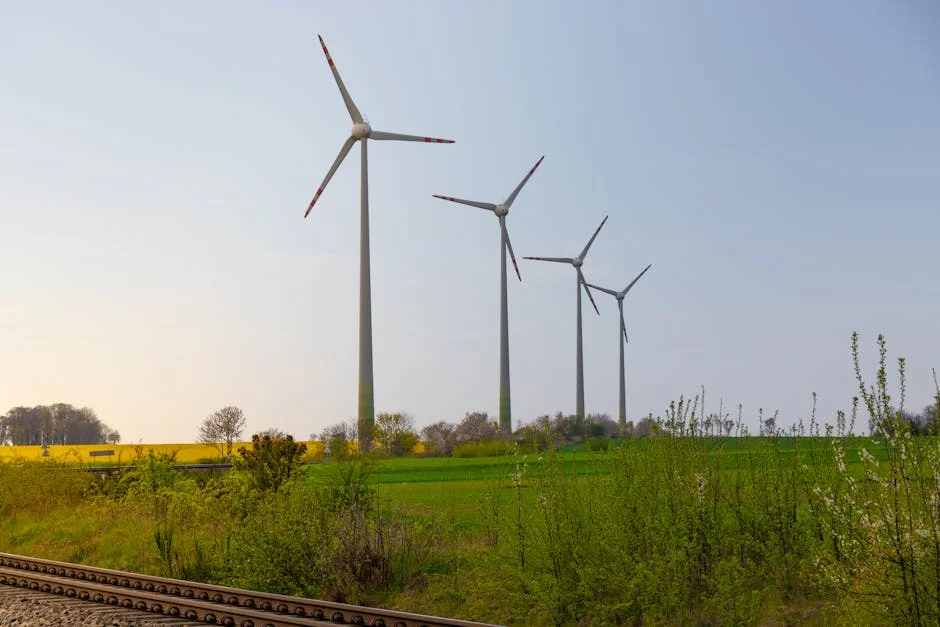
The spike in gas prices underscores the urgency for South Africa to diversify its energy sources and enhance its energy security. The government has initiated several projects aimed at integrating renewable energy into the national grid, including solar and wind power initiatives. However, these efforts require substantial investment and time to yield results, leaving the country vulnerable to fluctuations in fossil fuel markets in the interim.
Regional Impact and Pan-African Perspective
The situation in South Africa reflects broader regional trends across Africa, where many nations grapple with similar energy challenges. The continent’s ambitious development goals, encapsulated in the African Union’s Agenda 2063, emphasize the need for sustainable and reliable energy systems. The current crisis highlights the necessity for coordinated regional strategies to address energy supply issues, promote technological innovation, and foster greater self-sufficiency.
Infrastructure and Investment Needs
To mitigate the adverse effects of volatile energy prices, South Africa must focus on strengthening its energy infrastructure and attracting the necessary investments. This includes upgrading existing facilities, expanding transmission networks, and fostering public-private partnerships to finance new projects. Additionally, there is a growing recognition of the importance of digital technologies in optimizing energy distribution and consumption patterns.
Public Health and Education Considerations
The repercussions of rising energy costs extend beyond the economic sphere, affecting public health and education outcomes. Inadequate access to electricity can compromise healthcare services, particularly in rural areas where medical facilities rely heavily on stable power supplies. Similarly, educational institutions may face challenges in providing quality learning environments, especially if they cannot afford to maintain essential equipment and resources.
Consequences and Future Outlook
As South Africa navigates this challenging period, stakeholders must remain vigilant and proactive in addressing the underlying issues contributing to energy instability. By prioritizing sustainable solutions and collaborative approaches, the country can not only overcome the immediate crisis but also set a precedent for responsible energy management on the African continent. The coming months will be crucial in determining whether these measures prove effective in safeguarding the nation’s energy future.
Frequently Asked Questions
What is the latest news about south africas megawatt sees gas prices soar over 30 what it means for energy security?
South Africa’s Megawatt has announced a significant increase in gas prices, with hikes exceeding 30%, impacting the country's energy sector and raising concerns about its long-term energy security and developmental goals.
Why does this matter for economy-business?
This dramatic rise is attributed to global supply chain disruptions, exacerbated by geopolitical tensions and ongoing logistical challenges.
What are the key facts about south africas megawatt sees gas prices soar over 30 what it means for energy security?
Implications for Economic Growth and Development South Africa’s economy relies heavily on consistent and affordable energy supplies.