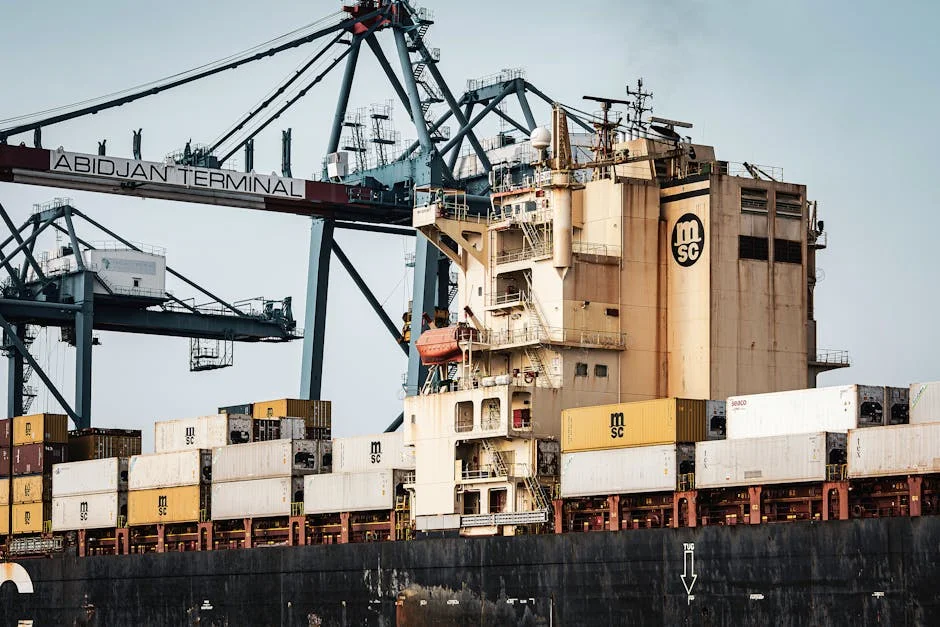
The Mediterranean Shipping Company (MSC) has announced a war surcharge on its shipping routes to Africa, effective immediately, citing escalating risks in the region. This decision comes amid rising geopolitical tensions affecting trade and logistics across the continent.
Impact of the War Surcharge on African Trade
The MSC's latest measure, which it describes as necessary due to increased shipping risks, is set to affect various sectors reliant on maritime transport. The surcharge, which varies by route, could lead to higher costs for goods imported to and exported from Africa. With shipping being the backbone of trade for many African economies, this move raises concerns about its broader implications for development and economic stability.
Context: Rising Geopolitical Tensions
The decision to impose a war surcharge is rooted in the heightened geopolitical tensions in Eastern Europe and North Africa, which have disrupted global supply chains. Recent conflicts have made insurers wary, leading to increased shipping costs across affected routes. As countries like South Africa heavily depend on imports for industrial growth and exports for economic development, the MSC's actions signal a worrying trend that could stifle progress.
Potential Consequences for African Economies


For nations such as South Africa, the MSC's surcharge may translate to higher prices for consumer goods, especially in sectors such as food and manufacturing. Daba Finance, a financial services firm, warns that the increased shipping costs could exacerbate inflationary pressures already felt in many African countries. This situation poses a significant challenge to the continent's development goals, particularly in terms of economic growth and stability.
Opportunities Amid Challenges
While the imposition of a war surcharge presents challenges, it also highlights an opportunity for African nations to rethink their logistics and supply chain strategies. Greater investment in local infrastructure and alternative transport routes could mitigate reliance on international shipping companies like MSC. This could accelerate the continent's aspirations towards self-sufficiency and sustainable development.
Looking Ahead: What to Watch For
As the situation evolves, stakeholders in African trade should monitor the MSC's moves closely. The company's decisions could set a precedent for other shipping lines, further influencing shipping costs and trade dynamics. Additionally, countries must consider policy interventions to cushion their economies from the impacts of increased shipping rates. The coming months will be crucial in determining how African nations adapt to these challenges and seize potential opportunities to fortify their economies.