Angola's Ministra of Environment and Water Resources has launched a groundbreaking $1.2 billion water infrastructure project aimed at improving access to clean water across the country. The initiative, titled 'Água que Une' (Water that Unites), seeks to address longstanding issues of water scarcity and poor sanitation by constructing new pipelines, upgrading existing facilities, and implementing innovative water management systems.
New Infrastructure Aims to Transform Lives
The 'Água que Une' project is set to span five years, with an ambitious goal of providing reliable water supplies to over 1 million households across Angola. This initiative marks a significant step towards achieving the United Nations Sustainable Development Goals (SDGs) related to clean water and sanitation. According to the Ministra, the project will not only enhance the quality of life for millions but also stimulate economic growth by supporting industries such as agriculture and manufacturing that rely heavily on consistent water supply.
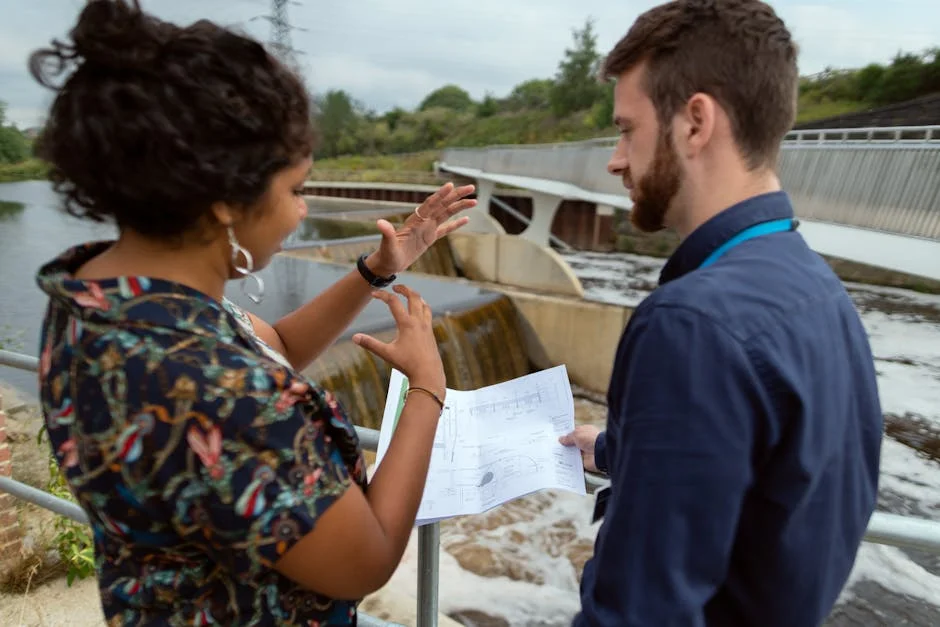
"We cannot overstate the importance of this project," said the Ministra during the launch event. "Access to clean water is fundamental to our people's health, prosperity, and overall well-being. By investing in this critical infrastructure, we are laying the groundwork for a more sustainable future."
Addressing Long-standing Challenges
Angola has long struggled with inadequate water infrastructure, leading to frequent shortages and contamination. In urban areas, many residents rely on unreliable public taps or expensive bottled water, while rural communities often face even greater hardships. The 'Água que Une' project aims to alleviate these pressures by expanding water networks and ensuring they reach previously underserved regions.
The project includes the construction of new reservoirs, the rehabilitation of old water treatment plants, and the installation of advanced filtration systems. Additionally, it plans to introduce smart water meters to monitor usage and detect leaks, thereby reducing waste and improving efficiency.
Collaboration and International Support


To ensure the success of the 'Água que Une' project, the Ministra has secured support from international partners including the World Bank and the European Union. These organisations have committed significant financial resources and technical expertise to help Angola meet its ambitious targets.
"The World Bank is proud to be part of this transformative initiative," stated a spokesperson for the organisation. "We believe that by working together, we can make a real difference in the lives of Angolans and contribute to the broader goal of poverty reduction and sustainable development."
In addition to financial backing, the project also involves collaboration with local communities and non-governmental organisations (NGOs). Community leaders have been actively involved in planning and decision-making processes to ensure that the needs of all stakeholders are met.
Economic and Social Benefits
Beyond the immediate benefits of improved water access, the 'Água que Une' project is expected to generate substantial economic returns. The construction phase alone is anticipated to create thousands of jobs, providing much-needed employment opportunities for skilled and unskilled workers alike.
Moreover, increased access to clean water is likely to have far-reaching effects on public health. Improved sanitation and hygiene practices can significantly reduce the incidence of waterborne diseases, which are a major cause of illness and death in Angola. Health experts estimate that these improvements could save hundreds of lives annually.
Education is another area set to benefit from the project. With better access to clean water, schools in rural areas can maintain proper sanitation facilities, encouraging higher attendance rates and improved academic performance.
Challenges Ahead and Future Prospects
While the 'Água que Une' project represents a promising start, there are still significant challenges to overcome. Ensuring the long-term sustainability of the new infrastructure will require ongoing investment in maintenance and training for local technicians. Additionally, the Ministra acknowledges the need for continued policy reforms to promote equitable distribution of water resources.
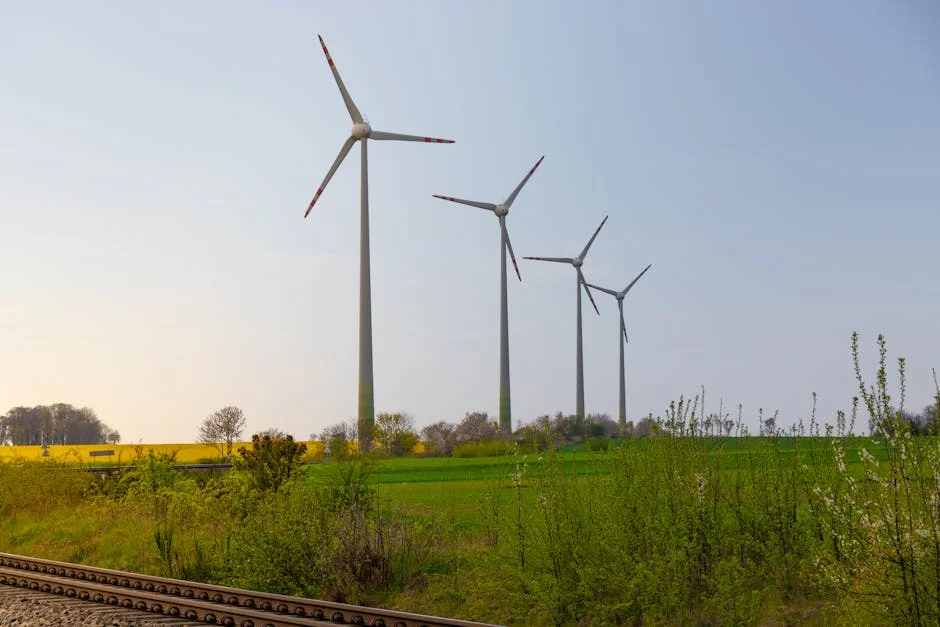
Looking ahead, the Ministra has expressed interest in expanding the scope of the project to include renewable energy solutions for water pumping and treatment. Such initiatives would align with broader efforts to combat climate change and reduce reliance on fossil fuels.
As Angola continues to invest in its water infrastructure, the lessons learned and best practices developed could serve as valuable models for other African countries facing similar challenges. By sharing knowledge and collaborating across borders, the continent can accelerate progress towards shared development goals and build a more resilient future for all its citizens.
Frequently Asked Questions
What is the latest news about angolas ministra launches 12 billion water project to unite communities?
Angola's Ministra of Environment and Water Resources has launched a groundbreaking $1.2 billion water infrastructure project aimed at improving access to clean water across the country.
Why does this matter for economy-business?
New Infrastructure Aims to Transform Lives The 'Água que Une' project is set to span five years, with an ambitious goal of providing reliable water supplies to over 1 million households across Angola.
What are the key facts about angolas ministra launches 12 billion water project to unite communities?
According to the Ministra, the project will not only enhance the quality of life for millions but also stimulate economic growth by supporting industries such as agriculture and manufacturing that rely heavily on consistent water supply.