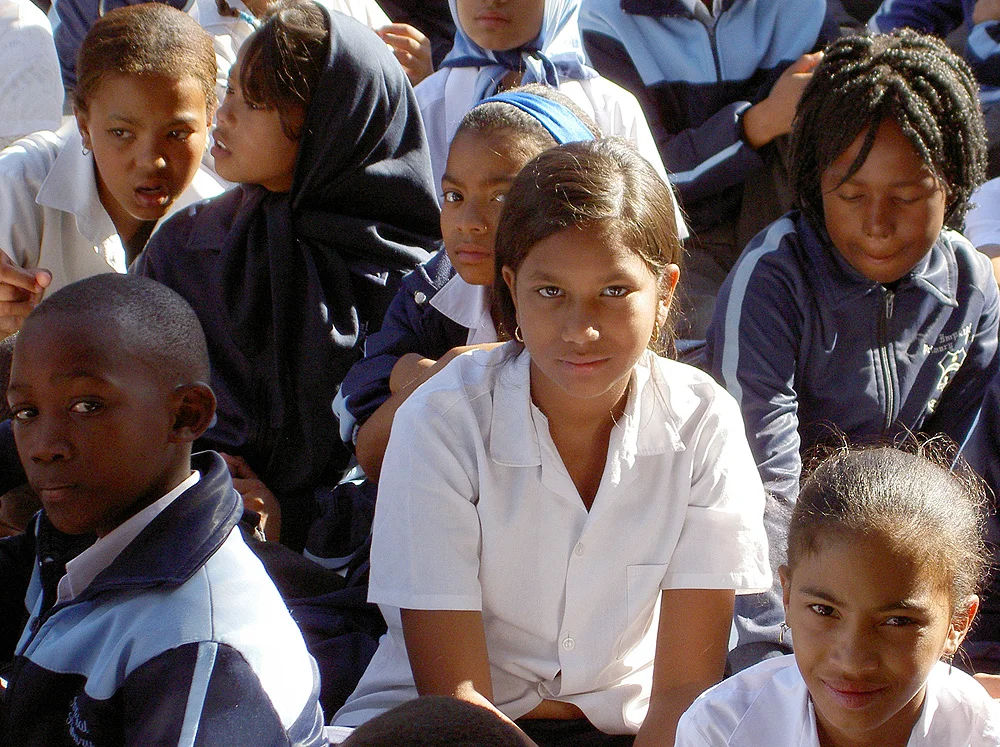
In a tense environment marked by missile strikes, African migrants in the Gulf region continue to seek employment amidst escalating conflicts. Recent attacks, attributed to Iranian forces, have raised concerns about safety, yet many migrants remain resolute in their pursuit of economic stability.
Escalating Tensions in the Gulf Region
The Gulf area has witnessed a surge in missile attacks, with reports confirming strikes targeting various installations. As of last week, Iranian missiles struck near Dubai, causing widespread panic among expatriate communities. African migrants, particularly from countries such as Ethiopia, Nigeria, and Eritrea, have been significantly affected. They often face the dual threat of conflict and economic instability, making their situation precarious.
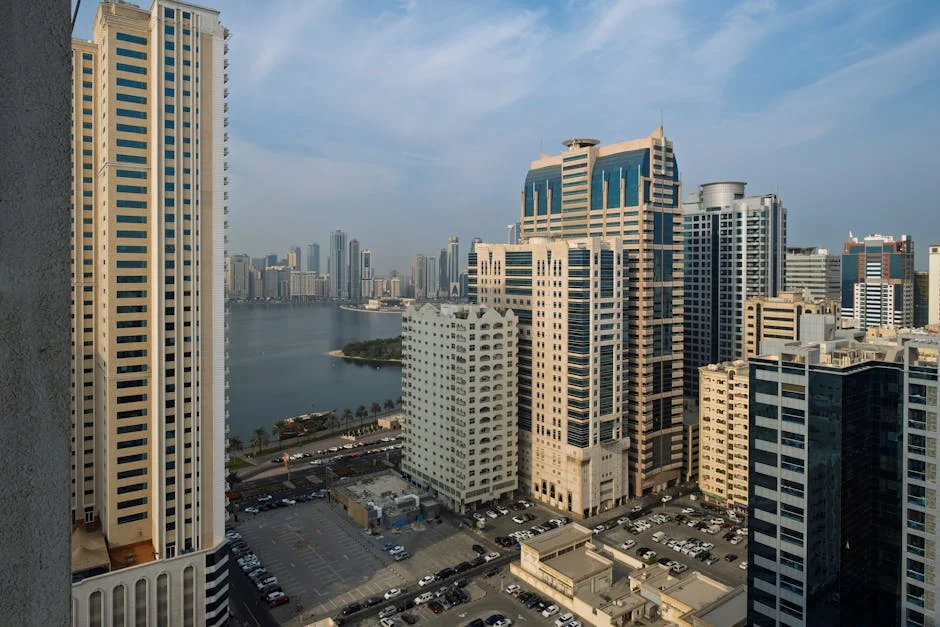
The Economic Necessity of Migration
Despite the dangers, the allure of economic opportunity in the Gulf remains strong for many African migrants. The International Organisation for Migration (IOM) estimates that around 1.5 million Africans live and work in Gulf states, contributing significantly to their home economies through remittances. For many, migrating is not merely a choice but a necessity driven by high unemployment rates and limited opportunities back home.
Health and Safety Concerns for Migrants

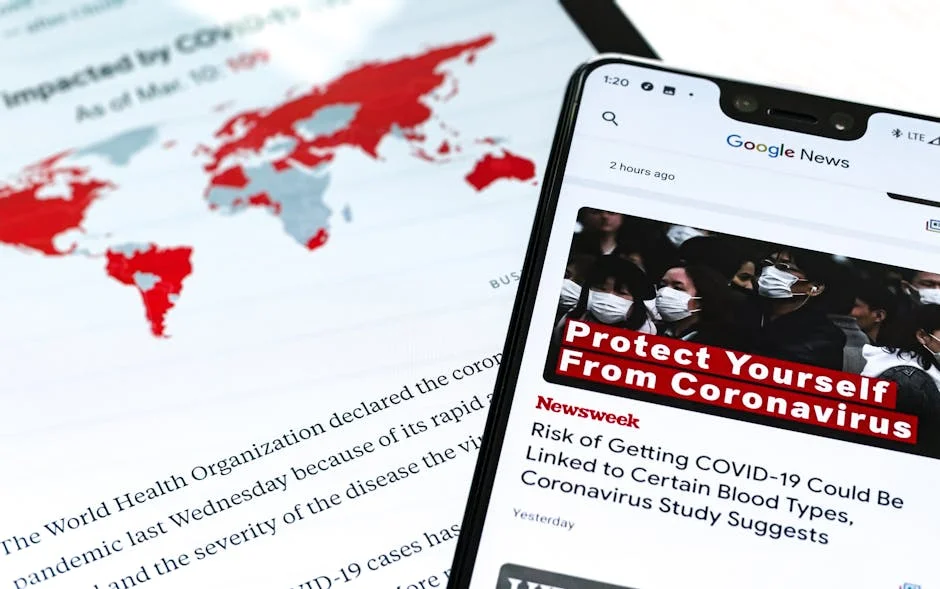
Health services for migrants in the Gulf have always been a contentious issue. With missile strikes disrupting daily life, access to healthcare has become even more complicated. Reports indicate that many migrants are hesitant to seek medical assistance for fear of being targeted or facing deportation. This situation poses a serious public health challenge, particularly in light of existing health vulnerabilities exacerbated by rough living conditions.
Implications for African Development Goals
This ongoing crisis highlights significant challenges in achieving African development goals, particularly concerning economic growth and governance. The reliance on foreign remittances underscores a lack of sustainable economic growth within many African nations. Furthermore, the precarious situation of migrants raises questions about their rights and governance in both home and host countries. Effective policies are required to ensure the safety and rights of migrants are upheld, contributing to the broader goals of poverty alleviation and sustainable development.
What Lies Ahead for Migrants and African Nations
As tensions continue in the Gulf, African migrants will likely face ongoing challenges. The international community's response and policies aimed at improving the conditions of migrants will be critical. Additionally, African governments must address the root causes of migration, such as unemployment and instability, to create conditions that encourage individuals to thrive at home. The current situation serves as a reminder that regional stability and development are interconnected; progress in one area can lead to improvements in another.