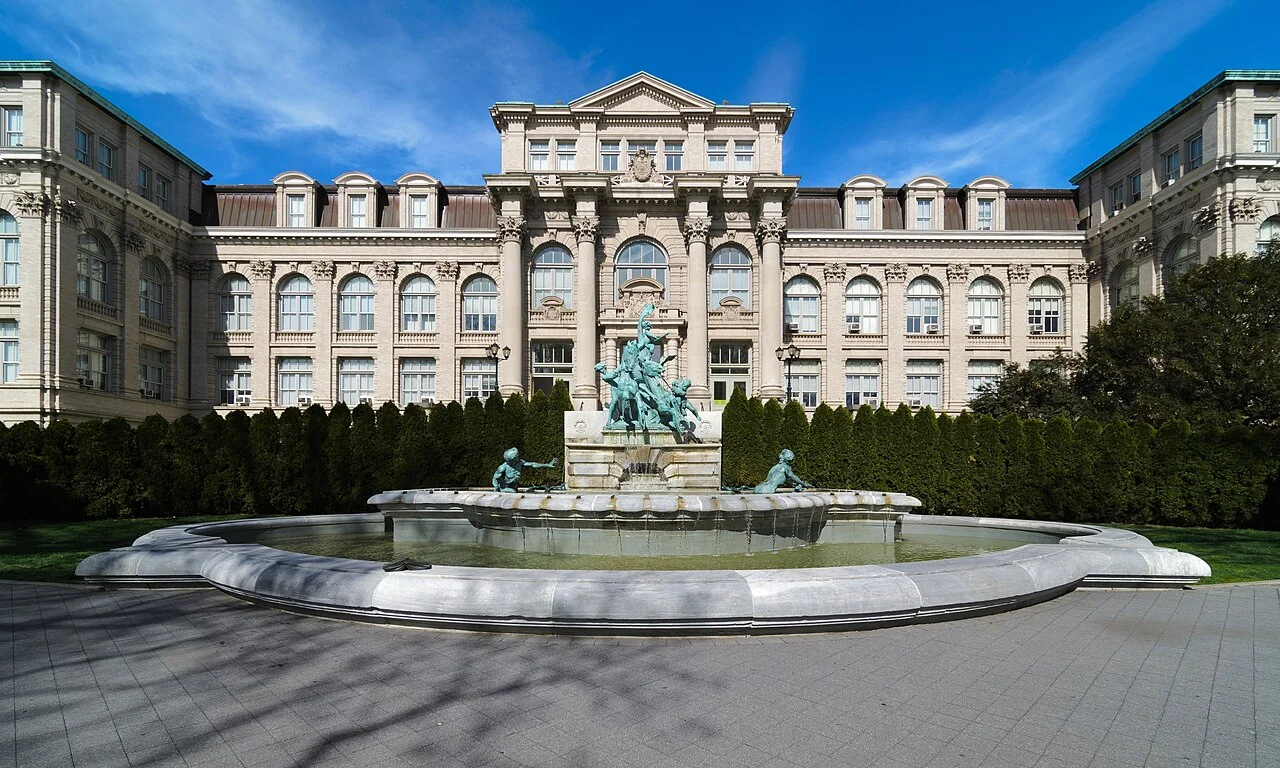
A new museum dedicated to Father José Afonso Moreira, a significant figure in Angola’s religious and cultural history, has opened its doors in Luanda, marking a pivotal moment in the nation’s preservation of heritage and cultural identity. The Casa-Museu, which houses artefacts, documents, and personal belongings of Father Moreira, aims to educate visitors about his contributions and the broader historical context of Angola.
The Life and Work of Father José Afonso Moreira
Father José Afonso Moreira lived from 1915 to 1977 and played a crucial role in Angola’s colonial and post-independence periods. He was a Catholic priest known for his dedication to education and social justice, particularly among the rural poor. His work extended beyond religious teachings; he also advocated for the rights of Angolan citizens during a time of political upheaval and conflict. The opening of the Casa-Museu in his honour is a testament to his enduring legacy and influence.
Preserving Cultural Heritage Through Museums
The establishment of the Casa-Museu aligns with broader efforts across Africa to preserve and celebrate cultural heritage. In recent years, there has been a growing recognition of the importance of museums not just as repositories of historical artefacts but as dynamic spaces that foster community engagement and promote national identity. This shift reflects a wider trend towards cultural empowerment and the reclaiming of historical narratives by African nations.
Educational Impact and Community Engagement
One of the primary goals of the Casa-Museu is to serve as an educational resource for both local communities and international visitors. The museum features interactive exhibits and multimedia presentations that bring Father Moreira’s life and work to life. These initiatives are designed to inspire a new generation of Angolans and contribute to the country’s ongoing narrative of resilience and progress. Educational programmes for schools and universities will also be offered, aiming to integrate Father Moreira’s story into the national curriculum.
Challenges and Opportunities in Museum Development
Despite its promise, the creation of the Casa-Museu has not been without challenges. Funding and logistical issues have delayed the project, reflecting some of the broader infrastructural and economic hurdles faced by many African countries. However, the successful opening of the museum represents a significant achievement and sets a precedent for future cultural projects. It highlights the potential for collaboration between government bodies, private investors, and community organisations in advancing cultural development.
Broader Implications for Tourism and Economic Growth
The Casa-Museu is expected to boost tourism in Luanda, contributing to the city’s economic growth. By attracting both domestic and international tourists interested in Angola’s rich cultural history, the museum can help diversify the economy and create jobs. This aligns with broader development goals aimed at reducing reliance on traditional industries such as oil and agriculture and fostering a more diversified and sustainable economy.
Continental Challenges and Opportunities
While the opening of the Casa-Museu marks a positive step forward for Angola, it also underscores the ongoing challenges faced by many African nations in preserving and promoting their cultural heritage. Issues such as inadequate funding, lack of resources, and the need for skilled personnel remain significant barriers. However, the success of projects like the Casa-Museu offers hope and inspiration for similar initiatives across the continent.
As African nations continue to navigate complex developmental landscapes, the Casa-Museu stands as a beacon of hope and a symbol of progress. Its opening signals a commitment to cultural preservation and education, reflecting broader aspirations for a more inclusive and prosperous future for all Africans.