Tens of thousands of Muslim pilgrims are trapped in Saudi Arabia during the Umrah pilgrimage, raising concerns about their safety and wellbeing. The situation, unfolding as the annual religious event continues, is attracting global attention and poses significant questions about the Saudi government's handling of such large gatherings.
Umrah Pilgrims Face Unprecedented Challenges Amidst Ongoing Crisis
In recent weeks, the influx of pilgrims for Umrah, a non-mandatory pilgrimage to Mecca, has reached alarming levels, leading to overcrowding and logistical issues. Reports indicate that many pilgrims from various countries, including South Africa, have found themselves unable to secure accommodation or transportation, particularly as the Saudi authorities struggle to manage the surge in numbers.
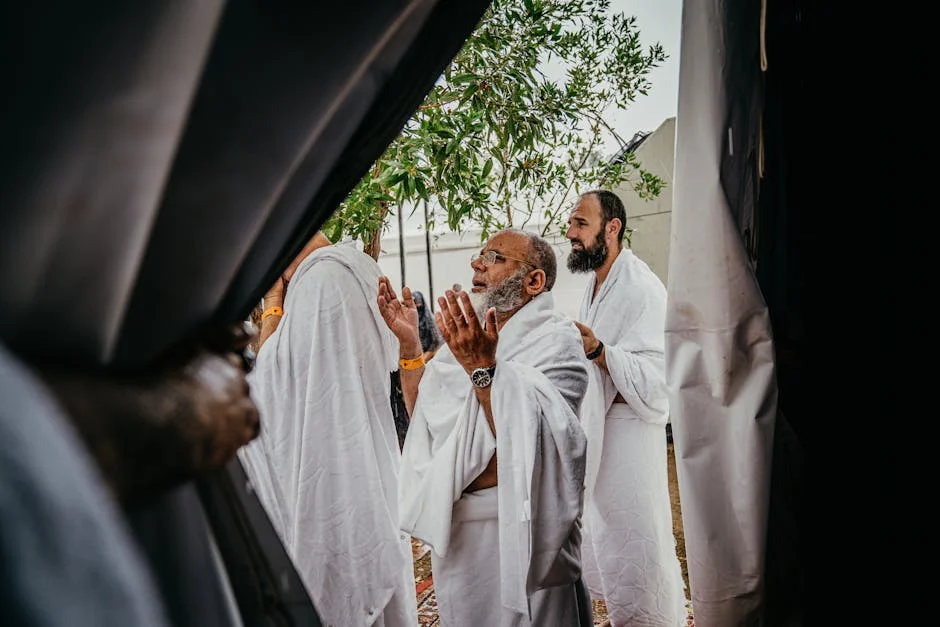
This year’s Umrah season has seen record participation, with estimates suggesting that over 2.5 million individuals are attempting the pilgrimage. However, as conditions deteriorate, many are concerned about their health and safety, given the potential for disease spread in densely packed environments.
Historic Context: The Significance of Umrah for Muslims Worldwide
The Umrah pilgrimage, while not compulsory like the Hajj, holds immense spiritual significance for Muslims, including those in South Africa. This pilgrimage is often seen as an opportunity for spiritual renewal and a demonstration of faith. However, the current circumstances underscore the vulnerabilities associated with large gatherings.
Historically, Saudi Arabia has hosted millions of pilgrims each year, showcasing its commitment to facilitating religious practices. Yet the challenges posed by this year's massive turnout highlight the need for better infrastructure and management strategies to accommodate pilgrims safely.
The Economic and Social Implications for South Africa


The crisis in Saudi Arabia has broader implications for South Africa and other African nations. Many South African Muslims participate in Umrah as a means to connect with their faith and community. The current troubles could dissuade future pilgrimages, potentially affecting the travel and hospitality sectors in South Africa that rely on religious tourism.
Moreover, the ongoing situation raises questions about how such crises impact the perception of Saudi Arabia as a pilgrimage destination. For a country striving to diversify its economy beyond oil, maintaining a positive image in the eyes of international visitors is crucial.
Governance and Management: A Call for Improvement
This incident calls into question the governance and logistical planning surrounding large religious events in Saudi Arabia. There is a pressing need for the Saudi government to enhance its infrastructure and crowd management systems, ensuring that the safety and wellbeing of pilgrims are prioritised in future events.
Furthermore, this situation presents an opportunity for African nations to collaborate on developing more robust frameworks for managing large gatherings, especially in the context of religious pilgrimages. This could lead to improved safety protocols and better communication between countries regarding the challenges faced by pilgrims.
Looking Ahead: Implications and Opportunities
The ongoing crisis during the Umrah pilgrimage serves as a stark reminder of the complexities involved in managing large religious gatherings. As South African Muslims and others worldwide seek to fulfil their spiritual obligations, it is imperative for the Saudi authorities to address these issues promptly.
In conclusion, while the Umrah pilgrimage presents numerous opportunities for spiritual engagement and economic interaction, it also highlights critical challenges that must be addressed. The situation calls for enhanced governance and infrastructural improvements not only in Saudi Arabia but also across Africa, fostering a more secure environment for future pilgrimages.