Kashmir authorities have announced the lifting of restrictions starting tomorrow in response to the easing of protests following the death of Iranian leader Ayatollah Ali Khamenei. The protests, predominantly led by Shia communities, had sparked concerns regarding public order and safety in the region.
Shia Communities Mobilise Amid Political Uncertainty
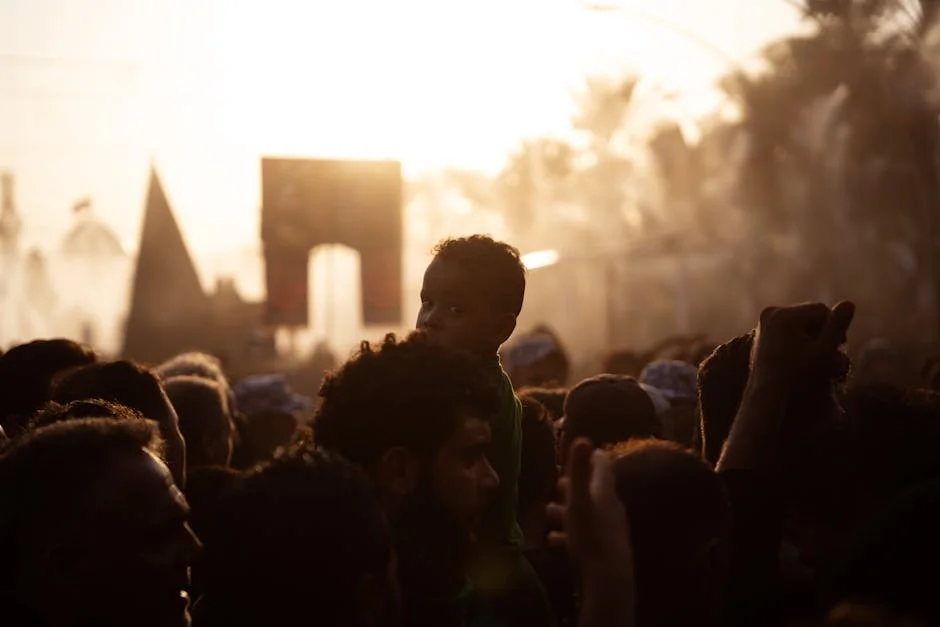
The Shia population in Kashmir has been vocal in expressing their grief and political sentiments following Khamenei's passing. This wave of protests, which saw thousands pouring into the streets, highlighted the community's deep-rooted ties to Iran and the broader implications for Shia identity in the region. The demonstrations began shortly after news of Khamenei’s death broke, leading to heightened tensions and a crackdown by local authorities.
Government Response to Protests
In the wake of the unrest, local authorities imposed a series of curfews and communication blackouts to maintain order. However, as protests began to taper off, the government announced that these restrictions would be lifted, marking a significant shift in their approach. By re-establishing normalcy, authorities aim to restore stability and allow for a return to daily life in Kashmir.
The Broader Implications for Shia Development

The lifting of restrictions in Kashmir raises important questions about the role of Shia communities in regional politics and their influence on development. With the recent events serving as a catalyst, this could be an opportunity for Shia leaders to advocate for greater representation and address long-standing grievances related to infrastructure, health, and education in the region. The need for inclusive governance that considers the diverse identities within Kashmir is more pressing than ever.
Linking Local Events to African Development Goals
This development resonates with broader African contexts, particularly in relation to governance, community cohesion, and regional stability. Just as Shia communities in Kashmir seek to assert their identity and influence, similar movements across Africa highlight the importance of inclusive governance in achieving development goals. Ensuring that minority voices are heard can lead to stronger economic growth and social stability, serving as a lesson for African nations grappling with their own internal divisions.
What’s Next for Kashmir and Beyond
As Kashmir prepares to lift its curbs, observers will be watching closely to see how this affects the region’s Shia population and their relationship with the government. It remains to be seen whether the easing of restrictions will lead to greater dialogue or further tensions between the community and authorities. The international community, particularly those advocating for African development, should take note of how these dynamics unfold and the lessons they offer for fostering peace and development across the continent.