A coalition of African nations has committed to a clean energy transition, revealing ambitious plans to reduce carbon emissions by 2030. This initiative, launched during the recent African Union summit in Addis Ababa, aims to address the continent's energy crisis and promote sustainable development.
Coalition Targets 2030 Carbon Emission Goals
The African Union has spearheaded a new coalition of 25 nations, with the aim of achieving significant reductions in carbon emissions by 2030. The coalition is set to implement renewable energy projects across the continent, focusing on solar, wind, and hydroelectric power. This initiative not only seeks to combat climate change but also aims to improve energy access for millions of Africans who currently live without reliable electricity.
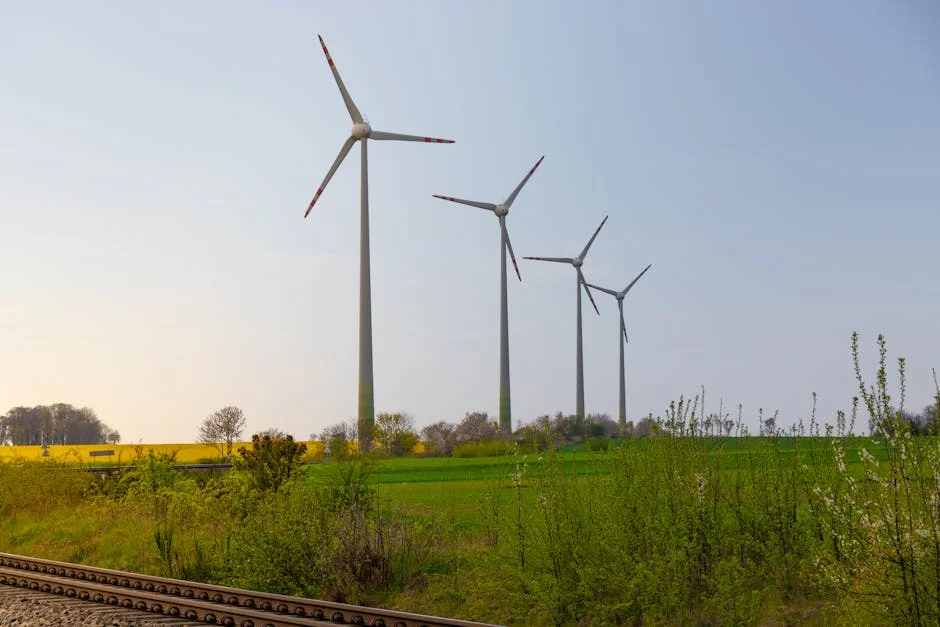
Why the Clean Energy Transition Matters
With over 600 million Africans lacking access to electricity, the implications of the clean energy transition are profound. The continent's reliance on fossil fuels has hindered economic growth and exacerbated health crises. By shifting to renewable energy, African nations can create jobs, stimulate local economies, and improve public health by reducing air pollution associated with traditional energy sources.
Infrastructure Investment Opportunities Emerge


The renewable energy initiative opens up significant opportunities for infrastructure investment. Countries like Kenya, South Africa, and Ethiopia are already leading the charge with successful renewable projects, attracting international investors keen to tap into Africa's vast energy potential. Investments in infrastructure can also lay the groundwork for improved transportation and access to education and healthcare, further advancing development goals.
Governance Challenges and Opportunities Ahead
While the coalition's goals are ambitious, achieving them will require strong governance and political will. Corruption and unstable political environments in some regions pose challenges to effective implementation. However, the collective commitment by governments to a clean energy future can foster better governance practices and transparency, which are essential for sustainable development.
Health Benefits Linked to Clean Energy
Switching to clean energy sources is expected to yield significant health benefits as well. According to the World Health Organisation, air pollution from fossil fuels is responsible for millions of premature deaths in Africa each year. By prioritising clean energy, governments can reduce these health risks, enhance quality of life, and improve workforce productivity.
The Path Ahead: Monitoring Progress
As the coalition progresses towards its 2030 targets, it will be crucial to monitor achievements and challenges. Stakeholders, including civil society and the private sector, must remain engaged to ensure accountability and the successful delivery of projects. This clean energy transition could mark a pivotal moment in Africa's development journey, aligning with the United Nations' Sustainable Development Goals and paving the way for a more resilient future.