The White House announced on Wednesday that the United States is 'well on its way' to establishing control over Iranian airspace, with achievable goals set for the next four to six weeks. This development has significant implications not only for the Middle East but also for African nations grappling with similar security and governance challenges.
Strategic Control and Regional Implications
The announcement comes amid rising tensions in the Middle East, particularly between Israel and Iran. The U.S. aims to enhance security in the Gulf region by monitoring Iranian military movements, a strategy that could alter the balance of power in the Middle East. Such a shift can have ripple effects on African countries, especially in relation to economic and political stability.
Why the Middle East Matters to Africa
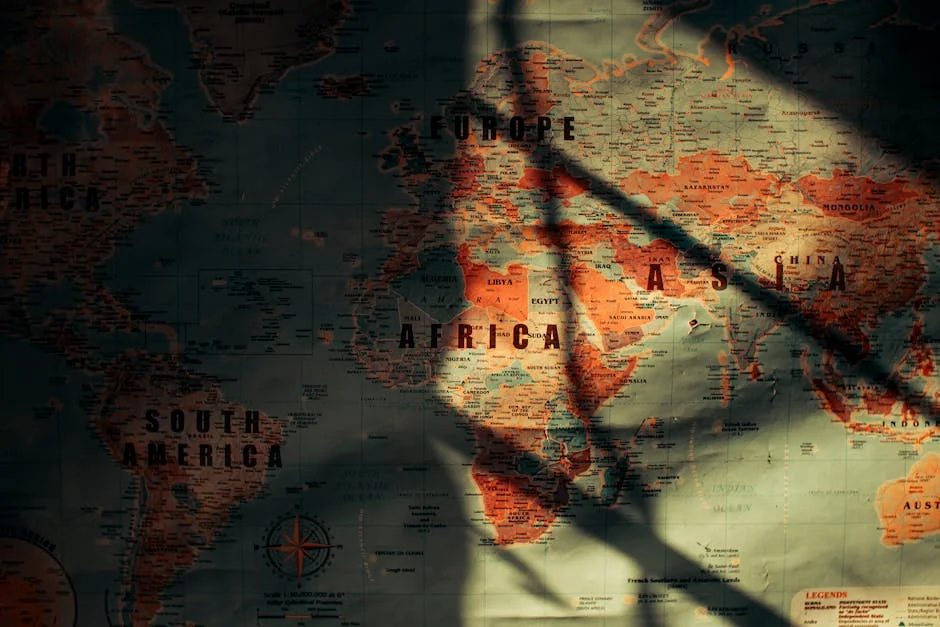
For many African nations, the geopolitical dynamics of the Middle East directly impact trade, security, and diplomatic relations. South Africa, in particular, has close ties with various Middle Eastern countries, including its diplomatic relationships with Israel and Iran. The stability of the region influences oil prices, which are critical for African economies reliant on energy imports. Understanding the Middle East's impact on South Africa is essential for grasping how regional developments can affect African growth.
Economic Growth in the Shadow of Conflict

As the U.S. takes steps to control Iranian airspace, African nations must remain vigilant about the implications of heightened military activity in the region. Conflict can disrupt trade routes and lead to economic instability. Countries like South Africa might face increased oil prices or even reduced access to crucial resources, which could hinder their economic growth and development goals.
Health and Governance Concerns
The ongoing tensions in the Middle East highlight the importance of governance and health infrastructure in managing crises. African countries looking to develop must consider the lessons learned from conflicts abroad. The need for robust governance structures and healthcare systems is paramount in mitigating the effects of external conflicts. Furthermore, as African nations pursue their development goals, they must build resilient infrastructures that can withstand global pressures.
Opportunities for Pan-African Collaboration
In light of these developments, African nations have a unique opportunity to collaborate on security and economic initiatives. By forming alliances and sharing resources, countries can better navigate the challenges posed by external conflicts. This approach not only strengthens regional stability but also aligns with Africa’s broader development goals, such as improving infrastructure and health systems.
As the situation in the Middle East continues to evolve, African nations must keep a close watch on how these geopolitical shifts affect their development trajectories. The U.S. commitment to controlling Iranian airspace is a reminder of the interconnectedness of global events and the importance of strategic planning in governance and economic growth across the continent.
Frequently Asked Questions
What is the latest news about white house confirms progress on controlling iranian airspace what it means for africa?
The White House announced on Wednesday that the United States is 'well on its way' to establishing control over Iranian airspace, with achievable goals set for the next four to six weeks.
Why does this matter for politics-governance?
aims to enhance security in the Gulf region by monitoring Iranian military movements, a strategy that could alter the balance of power in the Middle East.
What are the key facts about white house confirms progress on controlling iranian airspace what it means for africa?
South Africa, in particular, has close ties with various Middle Eastern countries, including its diplomatic relationships with Israel and Iran.