Nigeria's government has suspended Christian pilgrimages to the Holy Land, citing escalating violence in the Middle East as a primary concern. This decision, announced on October 20, 2023, follows rising tensions and conflict in the region that could jeopardise the safety of Nigerian pilgrims.
Government's Decision Reflects Safety Concerns
The Nigerian government has taken this precautionary measure in light of recent developments in the Middle East, where conflicts have intensified, particularly affecting Israel and Palestine. This decision impacts thousands of Nigerians who annually embark on pilgrimages to religious sites in Israel.
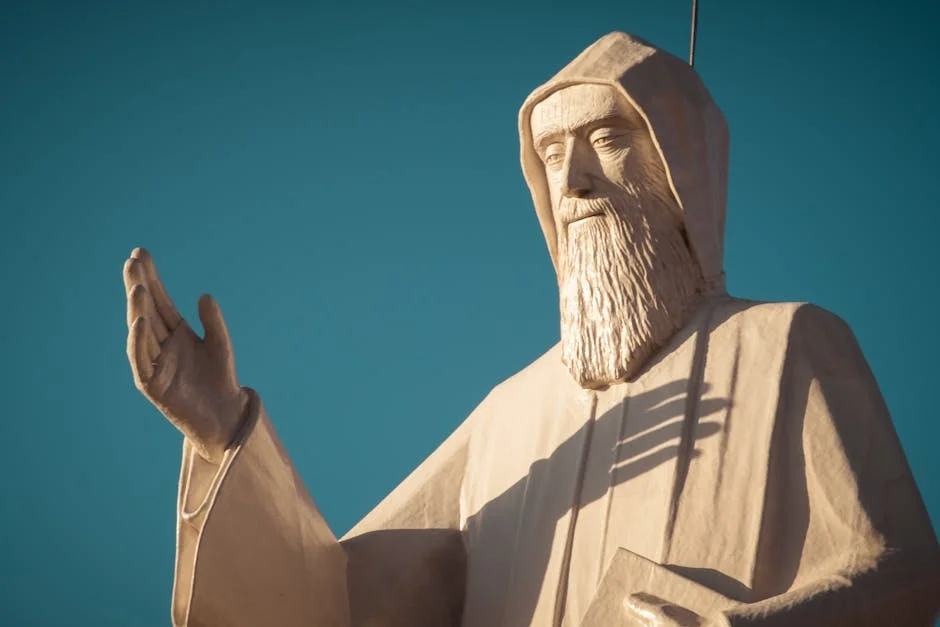
Historical Context of Pilgrimages in Nigeria
Christian pilgrimages to the Holy Land have been a significant aspect of Nigeria's religious culture, with many viewing the journey as a vital spiritual undertaking. In 2022, over 10,000 Nigerians participated in such pilgrimages, contributing to both their personal faith journeys and the economy through associated travel and tourism.
Implications for African Development Goals
This suspension raises questions about Nigeria's commitment to the United Nations Sustainable Development Goals (SDGs), particularly those related to peace, justice, and strong institutions. With the ongoing conflict in the Middle East affecting not only pilgrims but also broader geopolitical stability, Nigeria must navigate these challenges while ensuring the welfare of its citizens.
Broader Economic and Social Impact
The halt of pilgrimages not only affects the religious community but also has economic implications. The pilgrimage industry generates substantial revenue, not only for the travel agencies involved but also for local businesses in Nigeria that cater to pilgrims. The Nigerian tourism sector, which has been recovering from the impacts of the pandemic, may face setbacks due to this sudden suspension.
What Lies Ahead for Nigerian Pilgrims?
As the Middle East continues to experience unrest, Nigerian authorities have advised citizens to avoid non-essential travel to the region. The government is closely monitoring the situation and will reassess the pilgrimage guidelines as necessary. This decision serves as a reminder of the interconnectedness of global events and their influence on local communities.
Conclusion: A Pan-African Perspective
From a broader perspective, Nigeria's decision highlights a critical intersection of faith, safety, and economic stability—issues that resonate across the African continent. Countries in Africa must grapple with similar challenges as they balance religious freedoms with the imperatives of security and economic growth. As nations work towards achieving their development goals, fostering dialogue and cooperation in response to global conflicts will be essential.