Lufthansa has raised alarms over growing traffic congestion in the Gulf region, citing it as a critical vulnerability for global air travel. This warning comes as the airline seeks to streamline its operations while navigating increased demand for flights between Europe and the Middle East, with significant implications for South African travelers and businesses.
Implications of Gulf Congestion on Air Travel
In a recent statement, Lufthansa executives described the Gulf region's traffic congestion as the "Achilles' heel" of international air travel. This assertion highlights the increasing strain on air traffic management systems in the Gulf, particularly affecting flight schedules and operational efficiency. As travel from Europe to the Middle East surges, the bottlenecks could ultimately hinder connectivity for South African passengers reliant on these routes.
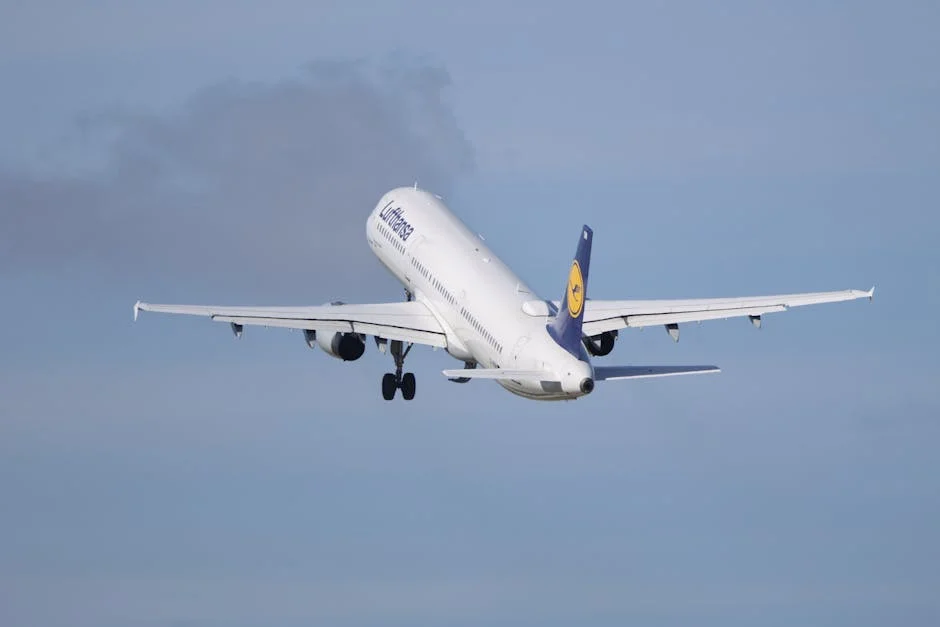
Why Lufthansa Matters in South Africa
Lufthansa is a significant player in the South African aviation market, offering various direct and connecting flights for both leisure and business travelers. The airline's ability to adapt to the challenges posed by Gulf congestion is crucial for maintaining and enhancing air service quality. This directly impacts economic growth, as seamless travel is essential for trade, tourism, and investment between South Africa and Europe.
Economic Growth and Development Goals


The congestion in the Gulf region poses challenges to African development goals, particularly in terms of infrastructure and governance. Improved air travel connectivity is a vital component of economic growth strategies across the continent. As South Africa aims to position itself as a gateway into Africa, disruptions caused by Gulf traffic could derail efforts to attract foreign direct investment and boost the tourism sector.
Continental Challenges and Opportunities
Addressing the issues stemming from Gulf congestion presents both challenges and opportunities for Africa. While it underscores the need for improved infrastructure and regulatory frameworks, it also opens the door for innovative solutions such as partnerships with regional airlines or investments in aviation technology. By collaborating on air traffic management and infrastructure projects, African nations can enhance their competitiveness in the global market.
What to Watch For Next
As Lufthansa and other airlines adapt to these traffic concerns, South African stakeholders should closely monitor developments in Gulf traffic management. The potential for increased delays or changes in flight schedules could have ripple effects on trade and tourism. Additionally, the response from South African authorities and the aviation sector will be critical in shaping the future landscape of air travel between Africa and the rest of the world.
Frequently Asked Questions
What is the latest news about lufthansa warns of gulf traffic congestion what it means for south africa?
Lufthansa has raised alarms over growing traffic congestion in the Gulf region, citing it as a critical vulnerability for global air travel.
Why does this matter for economy-business?
This assertion highlights the increasing strain on air traffic management systems in the Gulf, particularly affecting flight schedules and operational efficiency.
What are the key facts about lufthansa warns of gulf traffic congestion what it means for south africa?
The airline's ability to adapt to the challenges posed by Gulf congestion is crucial for maintaining and enhancing air service quality.