UAE billionaire Khalaf Al Habtoor publicly challenged former US President Donald Trump regarding his decision to strike Iran, questioning the authority behind such military actions. This confrontation, occurring in the wake of heightened tensions in the Gulf, raises critical concerns about the ramifications of Middle East politics on global stability, including its impact on South Africa.
Al Habtoor's Bold Challenge to Trump
Khalaf Al Habtoor, a prominent figure in the UAE's business community and a vocal critic of foreign intervention in the Gulf, took to social media to question Trump’s justification for military actions against Iran. He stated, "Who gave you authority to drag us into war?" This remark reflects a growing unease among Middle Eastern leaders about unilateral military decisions made by Western powers, particularly the United States, that could destabilise the region.
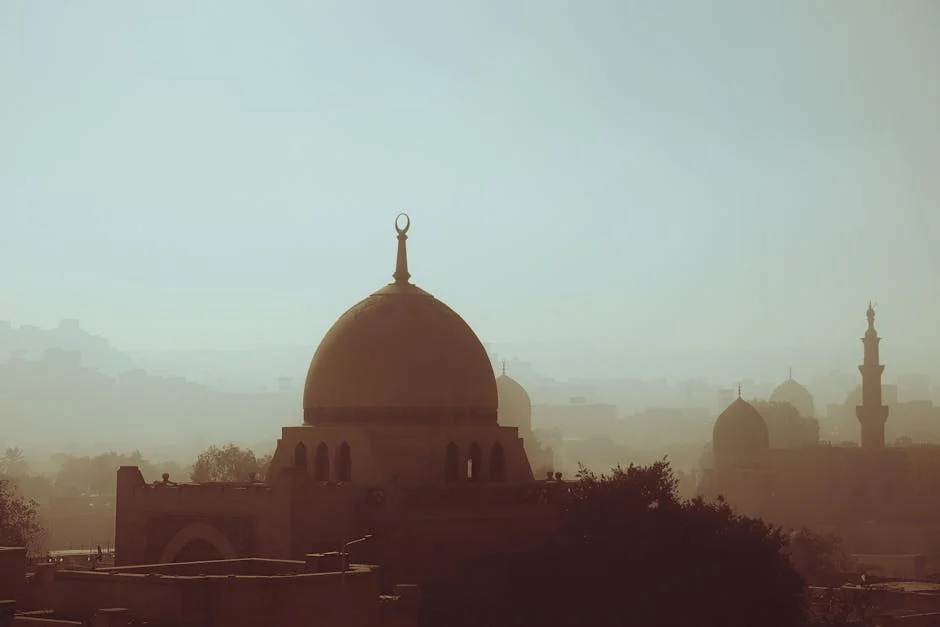
The Broader Implications for the Gulf Region
The Gulf region has been a focal point of geopolitical tensions, especially with Iran's contentious role in regional politics. Al Habtoor's remarks highlight the frustration of local leaders who feel sidelined in decisions that affect their sovereignty and security. The ongoing conflict threatens to escalate, further complicating diplomatic relations and economic stability in the area.
Impact on South Africa and African Development Goals


As tensions rise in the Middle East, South Africa must navigate its own interests in a volatile global environment. The Middle East's political landscape directly influences energy prices and trade routes, impacting South Africa’s economy. Moreover, the African Union’s development goals, which prioritise peace and stability, may be jeopardised by escalating conflicts elsewhere. South Africa’s reliance on trade with Gulf states for oil and investment further complicates its geopolitical stance.
Opportunities Amidst Challenges
Despite the challenges posed by Middle East politics, there are opportunities for South Africa to strengthen its diplomatic relationships. Al Habtoor’s comments may encourage African nations to assert their voices in global affairs more vigorously, seeking a balanced approach that respects regional sovereignty while promoting peace. This could lead to stronger partnerships within Africa and with Middle Eastern countries, focusing on mutual benefits like trade and investment in infrastructure.
What’s Next in Middle East Politics?
The fallout from Al Habtoor's challenge could signal a shift in how Middle Eastern leaders engage with the West. Observers will be watching closely to see whether this leads to a more unified stance among Gulf nations against foreign intervention, and how this might influence regional governance and economic strategies. South Africa, as a nation with vested interests in both Africa and the Middle East, must remain vigilant in its diplomatic approach, balancing its economic needs with the broader implications of global politics.