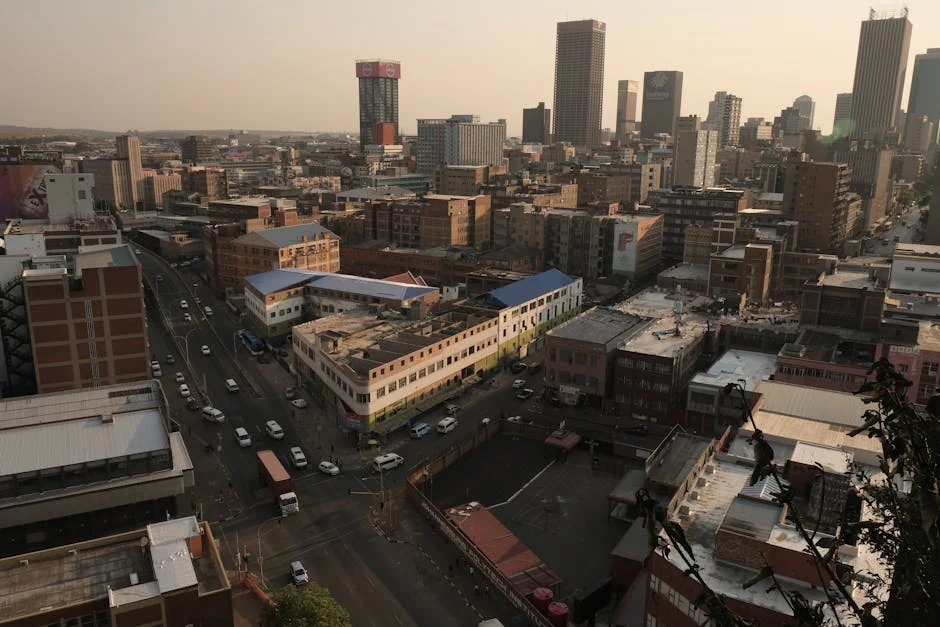
On Friday, Johannesburg’s emergency services are on high alert as forecasts predict severe thunderstorms and heavy rain across the city. Authorities are urging residents to prepare for potential flooding and disruptions as weather conditions worsen throughout the day.
Severe Weather Alerts Issued for Johannesburg
The South African Weather Service has issued warnings for severe thunderstorms expected in Johannesburg, with predictions of intense rainfall and possible hail. The alerts came into effect early Friday morning, alerting residents and local businesses to the need for preparedness. Emergency teams are ready to respond to any incidents, focusing on areas most susceptible to flooding.

Historical Context of Severe Weather in Johannesburg
Johannesburg has a history of severe weather events, particularly during the summer months. The city’s infrastructure is often tested by heavy rains, which can lead to flooding in low-lying areas. Increased urbanisation has exacerbated the impact of such weather events, raising concerns about the effectiveness of current drainage systems. Previous storms have highlighted the urgent need for improved infrastructure to mitigate these risks.
The Development Implications of Extreme Weather


This Friday's severe weather not only poses immediate challenges for residents but also highlights broader issues related to African development goals. The African Union has emphasised the importance of resilient infrastructure in urban areas, which is crucial for mitigating the impact of climate change. As Johannesburg grapples with the repercussions of extreme weather, the city's response could serve as a case study for other African cities facing similar challenges.
Health and Safety Risks Amid Thunderstorm Warnings
Severe thunderstorms can pose significant health risks, including injuries from high winds and hail, as well as waterborne diseases resulting from flooding. Johannesburg's health authorities are advising residents to stay indoors during the worst of the weather and to follow safety protocols. This situation underscores the critical need for effective governance and emergency response strategies to safeguard public health in the face of natural disasters.
Future Considerations for Johannesburg's Urban Planning
As Johannesburg prepares for the impending storms, local planners and policymakers are reminded of the necessity to integrate climate resilience into urban development. The need for comprehensive drainage systems and sustainable land-use planning becomes increasingly apparent as the city faces more frequent extreme weather events. Investing in infrastructure not only protects residents but also aligns with broader economic growth objectives for South Africa.
In conclusion, Friday's weather alerts serve as a stark reminder of the challenges that cities like Johannesburg face in a changing climate. How the city responds to this immediate threat could have lasting implications for urban governance, infrastructure investment, and public health initiatives across South Africa.
Frequently Asked Questions
What is the latest news about johannesburg emergency teams warn of severe thunderstorms what it means for residents?
On Friday, Johannesburg’s emergency services are on high alert as forecasts predict severe thunderstorms and heavy rain across the city.
Why does this matter for economy-business?
The alerts came into effect early Friday morning, alerting residents and local businesses to the need for preparedness.
What are the key facts about johannesburg emergency teams warn of severe thunderstorms what it means for residents?
The city’s infrastructure is often tested by heavy rains, which can lead to flooding in low-lying areas.