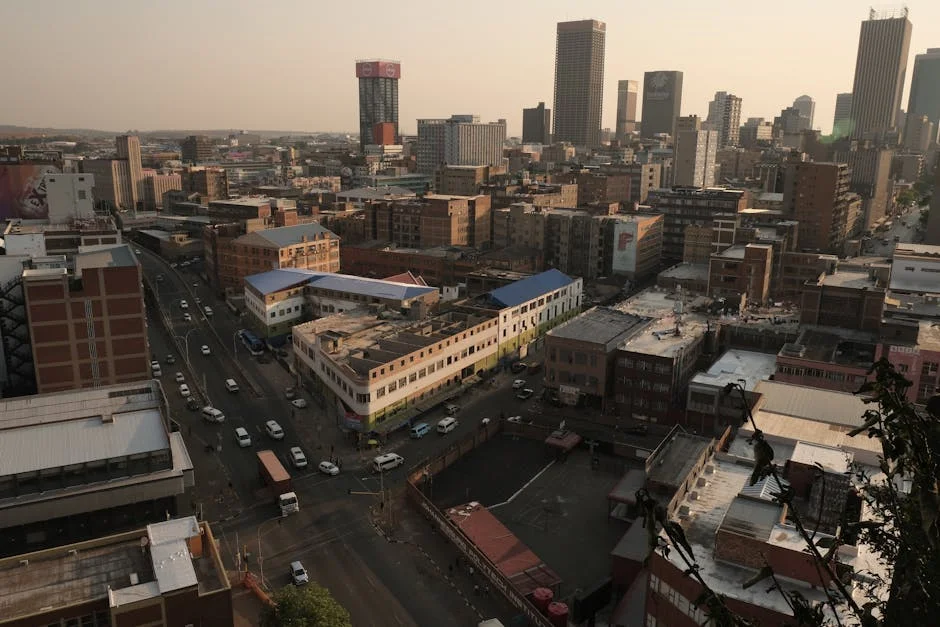
Joburg authorities took decisive action this week by disconnecting several hijacked buildings owing R15 million in unpaid service fees, amplifying the ongoing struggle against urban decay. The properties, located in high-demand areas, have become symbols of neglect in a city grappling with severe infrastructure challenges.
Disconnection Action: A Response to Urban Decay
The City of Johannesburg's recent decision to disconnect water and electricity to a number of hijacked buildings is part of a broader initiative to reclaim urban spaces for legitimate use. This disconnection affects several properties that have been illegally occupied, with the city reporting that none of the buildings have registered owners. The operations, which occurred earlier this week, were aimed at addressing the escalating issue of illegal occupations that undermine the city's governance and economic stability.
Context: A Growing Crisis in Joburg
Joburg has been facing a chronic housing crisis exacerbated by rampant urban migration and economic strife. The illegal occupation of buildings has skyrocketed over the past decade, leading to significant revenue losses for the city. The R15 million figure represents unpaid utility bills that hinder the city's ability to invest in essential services such as infrastructure, education, and health care. With Johannesburg being the economic heart of South Africa, these developments pose a serious concern not only for local residents but for the country's economic health as a whole.
What This Means for Joburg’s Development Goals


This disconnection is a critical step towards restoring governance and taking back control of urban spaces. It resonates with broader African development goals that call for improved governance, infrastructure development, and economic growth. The hijacking of buildings not only cripples the city’s finances but also stifles development opportunities that could benefit the local populace. When illegal occupations prevent the city from providing essential services, it perpetuates cycles of poverty and inequality, which are antithetical to the aspirations of the African Union's Agenda 2063.
Consequences for Residents and the City
The immediate aftermath of the disconnection actions means that many residents could face increased hardships, particularly in terms of access to basic services. However, this could also spur a necessary dialogue about the management of urban spaces and the need for affordable housing solutions. As Johannesburg seeks to reclaim these properties, it is vital for city officials to think strategically about redevelopment that aligns with the needs of the community. Engaging residents and stakeholders in the planning process will be essential to ensure that the city does not repeat the mistakes of the past.
The Road Ahead: A Call for Sustainable Solutions
As authorities move forward with these disconnections, it is crucial to watch for the city's next steps. Will Joburg develop a comprehensive plan to address the systemic issues leading to urban decay? Or will this merely serve as a temporary fix? The city has an opportunity to leverage these actions to pursue sustainable solutions that not only address illegal occupations but also enhance urban infrastructure and governance. By doing so, Johannesburg can set a precedent for other African cities facing similar challenges, illuminating pathways for development that could lead to economic revival and improved living conditions for all residents.