Iran's escalating oil crisis poses a significant threat to African economies, particularly as tensions in the Strait of Hormuz disrupt global oil supplies. The recent conflict has sent oil prices soaring, raising urgent questions about the impact on African development goals.
Disruption in the Strait of Hormuz
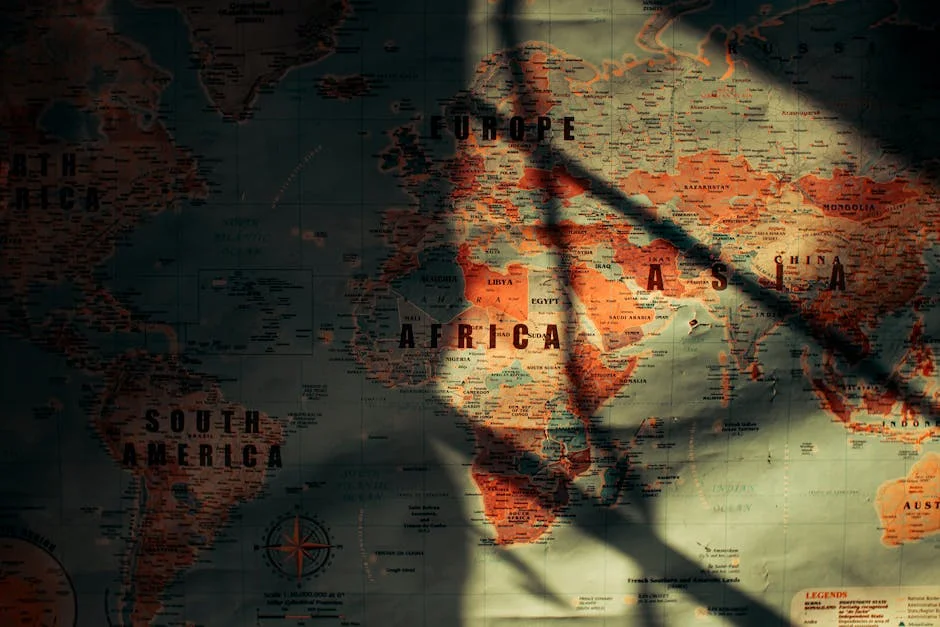
The Strait of Hormuz, a vital maritime corridor for oil transportation, has become increasingly volatile amidst escalating tensions surrounding Iran. According to the International Energy Agency, approximately 20% of the world's oil passes through this narrow strait, making it a critical artery for global energy supplies. As conflicts continue, the risk of supply disruptions has surged, triggering immediate concerns for countries dependent on oil imports.
Economic Consequences for African Nations
Countries across Africa are already feeling the pinch from rising oil prices, with South Africa being particularly vulnerable due to its reliance on foreign oil. The South African Reserve Bank has warned that the spike in oil prices could exacerbate inflation, complicating efforts to stabilise the economy. Analysts predict that if the situation does not improve, South Africa may see an increase in transport costs, affecting logistics and ultimately, the prices of goods and services.
Impact on Development Goals
This oil price shock threatens to derail African development goals aimed at promoting economic growth, improving infrastructure, and enhancing health and education systems. The African Union's Agenda 2063 outlines ambitious targets for economic development, yet the current crisis could divert critical resources away from essential sectors. Countries now face the dilemma of balancing immediate economic needs against long-term development strategies.
Opportunities Amidst the Crisis
While the challenges are significant, the current crisis also presents opportunities for African nations to rethink energy strategies. As reliance on imported oil becomes increasingly precarious, there is potential for investment in renewable energy sources. Initiatives to harness solar, wind, and hydroelectric power could not only reduce dependence on oil imports but also align with global sustainability goals.
What’s Next for African Economies?
As the situation evolves, African governments must monitor developments closely and consider diversifying their energy sources. The upcoming African Union summit will likely address the implications of the crisis, underscoring the need for a coordinated response. Policymakers are urged to engage in dialogue that prioritises long-term sustainable energy solutions while navigating the immediate challenges presented by the Iranian oil crisis.
Frequently Asked Questions
What is the latest news about irans oil supply crisis threatens african economies heres what it means?
Iran's escalating oil crisis poses a significant threat to African economies, particularly as tensions in the Strait of Hormuz disrupt global oil supplies.
Why does this matter for politics-governance?
According to the International Energy Agency, approximately 20% of the world's oil passes through this narrow strait, making it a critical artery for global energy supplies.
What are the key facts about irans oil supply crisis threatens african economies heres what it means?
The South African Reserve Bank has warned that the spike in oil prices could exacerbate inflation, complicating efforts to stabilise the economy.