Fatih Birol, the Executive Director of the International Energy Agency (IEA), warned this week that turning back to Russian gas would be an economically and politically wrong move for countries like South Africa. The remarks come amidst a global energy crisis exacerbated by geopolitical tensions following Russia's invasion of Ukraine.
Energy Transition Challenges in South Africa
South Africa, heavily reliant on coal for energy generation, is at a critical juncture in its energy transition. As the world shifts towards more sustainable energy sources, the country faces the dual challenge of addressing energy security while remaining committed to its climate goals. The IEA's strong stance against Russian gas highlights the urgent need for South Africa to diversify its energy sources and increase investment in renewable energy.
Historical Context: Dependence on Russian Resources
Historically, South Africa has maintained a complicated relationship with Russian resources. During the apartheid era, economic sanctions limited the country’s dealings with many nations, but since the dawn of democracy, relations have warmed. However, the current geopolitical climate, following Russia's aggressive foreign policy, poses a dilemma for South Africa, which must now weigh the risks of energy dependence against its foreign relations.
Economic Implications of Turning to Russian Gas

Birol's warning underscores the potential economic fallout of relying on Russian gas. In an analysis released by the IEA, the agency suggested that re-establishing ties with Russian energy could jeopardise South Africa's long-term economic stability. Analysts argue that such a move could lead to higher energy costs and increased vulnerability to international supply chain disruptions.
Opportunities for Renewable Energy Investment
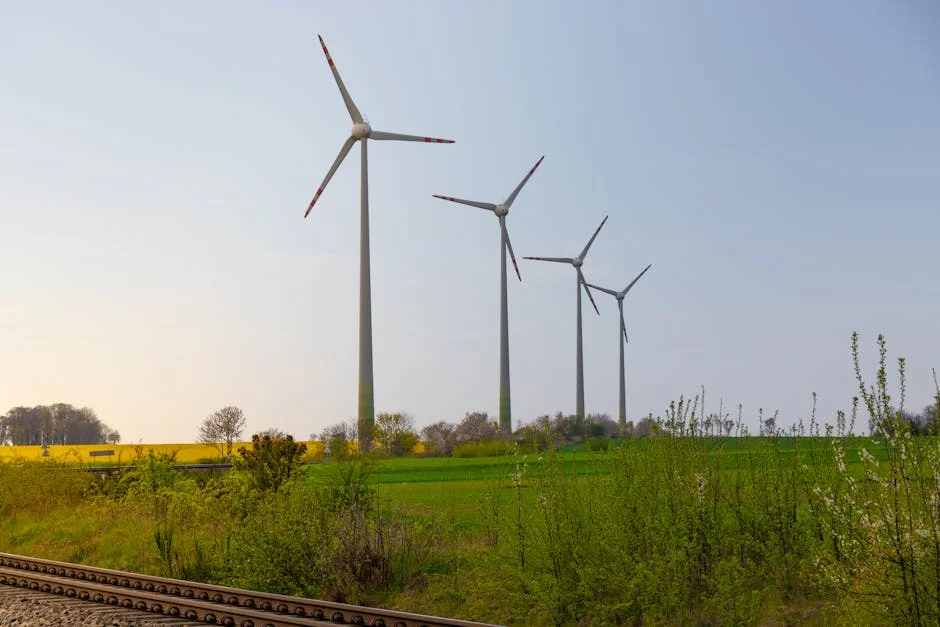
The current energy crisis could serve as a catalyst for South Africa to accelerate its renewable energy projects. The IEA emphasises the need for countries to invest in solar, wind, and other clean energy technologies as a way to ensure energy security and sustainability. With abundant natural resources, South Africa has the potential to become a leader in renewable energy on the continent, thus aligning with broader African development goals.
Governance and Policy Changes Necessary for Progress
To facilitate this transition, strong governance and effective policy frameworks will be crucial. The South African government must prioritise investments in infrastructure and education surrounding renewable energy technologies. Additionally, international partnerships could play a significant role in helping South Africa not only meet its energy demands but also fulfil its commitments to climate change mitigation.
What to Watch For: The Future of South Africa’s Energy Policies
As the situation evolves, South Africa's policymakers will need to navigate the complexities of global energy markets while remaining resilient against the backdrop of geopolitical tensions. The decision to turn away from Russian gas must be accompanied by robust strategies that prioritise economic growth and sustainable development. Observers should monitor legislative developments and investment trends in the renewable energy sector as the country seeks to balance these multifaceted challenges.
Frequently Asked Questions
What is the latest news about iea chief warns against returning to russian gas economic risks for south africa?
Fatih Birol, the Executive Director of the International Energy Agency (IEA), warned this week that turning back to Russian gas would be an economically and politically wrong move for countries like South Africa.
Why does this matter for economy-business?
As the world shifts towards more sustainable energy sources, the country faces the dual challenge of addressing energy security while remaining committed to its climate goals.
What are the key facts about iea chief warns against returning to russian gas economic risks for south africa?
During the apartheid era, economic sanctions limited the country’s dealings with many nations, but since the dawn of democracy, relations have warmed.