The closure of Matla Primary School in Bloemfontein has sparked outrage among parents and community leaders, who accuse the Free State Education Department of ‘blatant neglect’. The school, which served over 200 students, shut its doors last week due to deteriorating infrastructure and a lack of resources, raising serious concerns about the future of education in the region.
School Closure Sends Shockwaves Through the Community
The announcement came as a shock to many in the Bloemfontein community, where Matla Primary School had been a cornerstone of local education for over three decades. Parents expressed their dissatisfaction, noting that the school had repeatedly reported issues regarding crumbling facilities and insufficient teaching materials. "This is not just a school closure; it is a betrayal of our children’s future," said one concerned parent. The decision to close Matla Primary School exemplifies systemic issues within South Africa's education system, particularly in underfunded areas like the Free State.
Underlying Issues: Infrastructure and Governance Failures
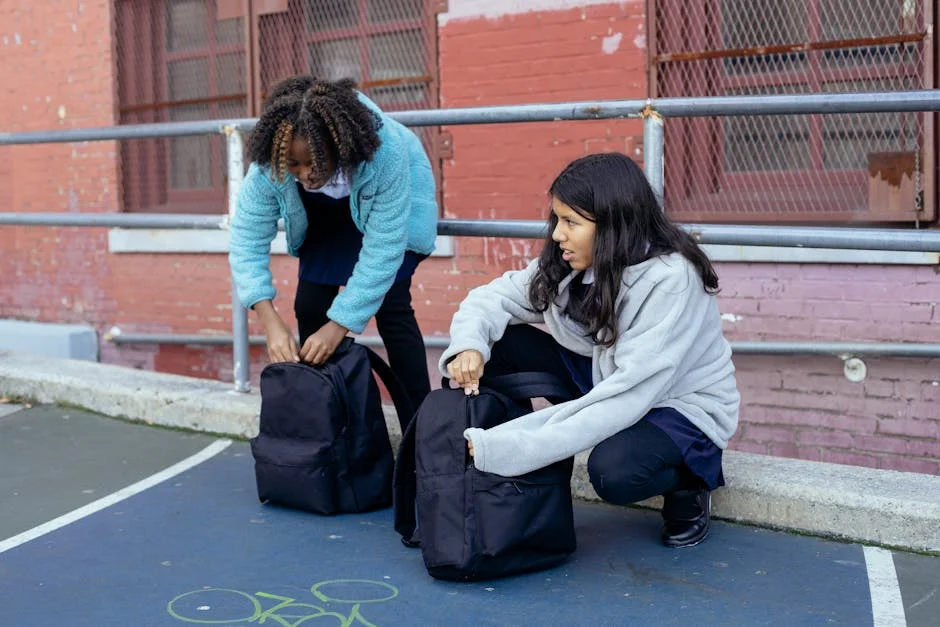
The state of Matla Primary School reflects a broader trend of neglect in the South African education system, especially in rural provinces. Historical underfunding and misallocation of resources have led to dilapidated facilities across the country. According to a recent report by the South African Human Rights Commission, nearly 3,000 schools in the nation lack basic infrastructure, such as running water and electricity. This neglect not only hampers educational outcomes but also poses serious health risks for students.
Impact on Education and Future Opportunities

The closure of Matla Primary School has immediate implications for over 200 children who now face uncertainty about their education. With limited options available, many will likely be forced to travel long distances to other schools, exacerbating existing inequalities. The lack of access to quality education threatens the development of human capital in the region, crucial for economic growth and social stability. As South Africa strives to achieve the United Nations Sustainable Development Goals, the closure of such schools undermines efforts to ensure inclusive and equitable quality education.
Community Response and Calls for Accountability
In response to the closure, local community leaders and activists are mobilising to demand accountability from the Free State Education Department. Petitions are circulating, and public meetings are being organised to pressure authorities into taking immediate action to address the dire conditions of schools in the area. "We need to hold our leaders accountable for their promises to provide education for all," said a local activist. This grassroots movement is not only aimed at reopening Matla Primary School but also at ensuring that schools across the region receive the necessary support and funding.
What Comes Next for Matla Primary School?
The closure of Matla Primary School serves as a wake-up call for stakeholders at all levels, from government officials to community members. It highlights critical gaps in governance and resource allocation that need urgent attention. As discussions continue about reopening the school, it will be essential to monitor how the Free State Education Department addresses the overwhelming demand for better infrastructure and educational resources. The fate of Matla Primary School could very well serve as a litmus test for broader reforms in the South African education system, especially in economically challenged provinces like the Free State.
Frequently Asked Questions
What is the latest news about free state education department slammed as matla primary school closes what it means for local kids?
The closure of Matla Primary School in Bloemfontein has sparked outrage among parents and community leaders, who accuse the Free State Education Department of ‘blatant neglect’.
Why does this matter for economy-business?
Parents expressed their dissatisfaction, noting that the school had repeatedly reported issues regarding crumbling facilities and insufficient teaching materials.
What are the key facts about free state education department slammed as matla primary school closes what it means for local kids?
The decision to close Matla Primary School exemplifies systemic issues within South Africa's education system, particularly in underfunded areas like the Free State.Underlying Issues: Infrastructure and Governance FailuresThe state of Matla Primary S