Ethiopia's government has issued stark warnings of a potential return to armed conflict in Tigray, raising fears of escalating violence and humanitarian crises. This development, reported on October 15, 2023, comes after a fragile ceasefire that had been in place since late 2022 began to fray amid ongoing political tensions.
Ceasefire Under Pressure as Tensions Escalate
The Ethiopian government accused Tigray’s leaders of violating agreements and mobilising forces, leading to military preparations that could reignite hostilities. This alarming trend poses a significant threat to the progress made towards peace and stability in the region, particularly as the humanitarian situation remains dire. Over 2 million people in Tigray are still in need of urgent assistance, struggling with food insecurity and health challenges exacerbated by the ongoing conflict.
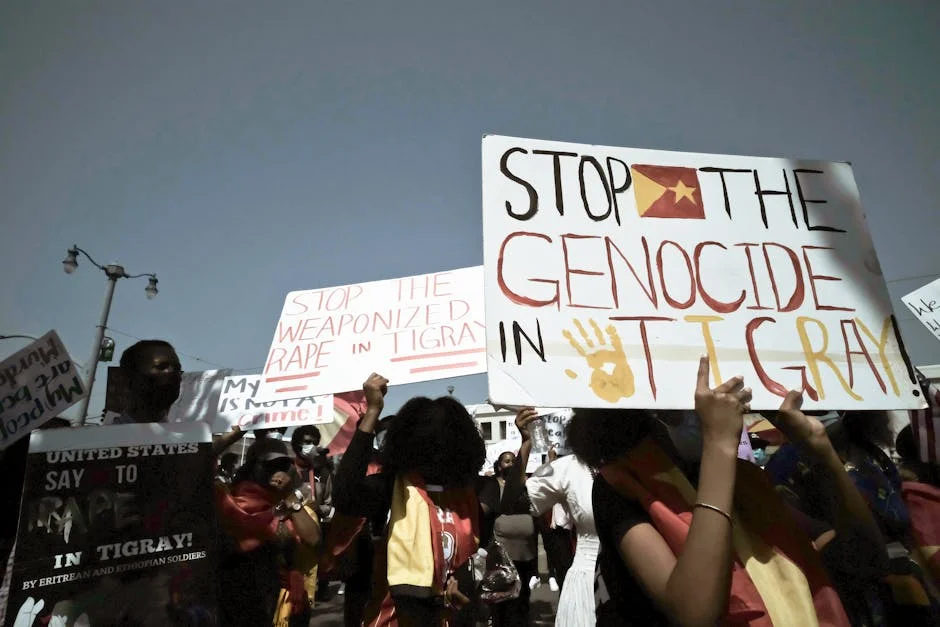
Historical Context: The Roots of the Tigray Conflict
The Tigray War began in November 2020, resulting in thousands of deaths and displacing millions. The conflict was initially sparked by political power struggles and ethnic tensions within Ethiopia's federal government structure. The subsequent civil war drew in neighbouring countries and highlighted the fragility of Ethiopia's federal system. The peace deal brokered in late 2022 offered a glimmer of hope, but the recent accusations hint at a troubling regression.
The Broader Implications for African Development


This situation is more than just a regional issue; it has profound implications for African development as a whole. An escalation in Tigray could destabilise the wider Horn of Africa, impacting trade routes and economic growth. Countries like South Africa, which have vested interests in regional stability, need to closely monitor these developments. A return to conflict could also hinder efforts to achieve the African Union's Agenda 2063, which seeks inclusive growth and sustainable development across the continent.
Humanitarian Needs and Regional Response
The international community faces a critical moment to respond to growing humanitarian needs. With millions at risk, the response to the Tigray crisis is imperative not only for ethical reasons but also for regional security and stability. South Africa has previously called for dialogue and peaceful resolution, and its role in mediating could be crucial in preventing a further humanitarian disaster.
What’s Next? Key Observations for Stakeholders
As the situation unfolds, stakeholders must remain vigilant. The potential for renewed conflict raises questions about governance and the capacity of Ethiopian leadership to manage ethnic tensions effectively. Furthermore, observers should assess how these developments might impact South Africa, including trade relations and security collaborations. The warning signs are clear: without proactive engagement and support for peacebuilding, Ethiopia could face a descent into renewed chaos—one that would reverberate across the continent.