In a bold move to tackle rising crime, South Africa has unveiled a new anti-crime wall along a key highway that connects its major tourist destination, Cape Town, to surrounding regions. This initiative aims to enhance safety for both locals and visitors amid increasing concerns about crime in the area.
Highway Development Sparks Controversy
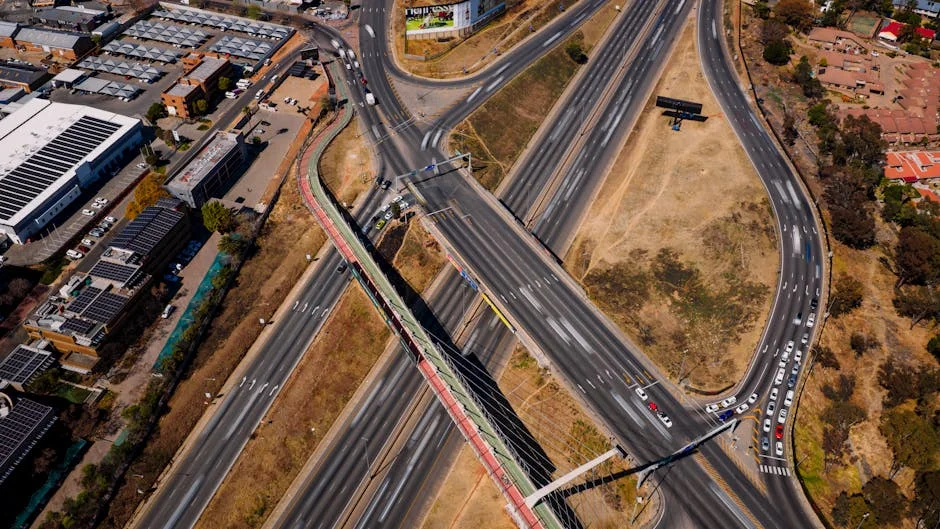
The new anti-crime wall, erected along the N1 highway, stretches for several kilometres and is designed to deter criminal activity that has plagued the route. Local authorities announced the project amid a wave of public concern regarding visitors' safety, particularly with the tourism sector still recovering from the impacts of the COVID-19 pandemic.
Tourism Stakeholders Respond
Tourism stakeholders have voiced a mix of support and apprehension regarding the wall. While some view it as a necessary step to protect tourists, others argue it may create a perception of insecurity, potentially deterring visitors. “Safety is paramount, but we must also ensure that we do not scare tourists away with a fortress-like image,” said Cape Town Tourism spokesperson, Thabo Nkosi.
Addressing Broader Security Challenges


The anti-crime wall initiative is part of a larger strategy to address security concerns in South Africa, which has long struggled with high crime rates. According to the latest crime statistics, violent crime remains a significant barrier to economic growth and development. This infrastructure project can be seen as aligning with African development goals, particularly in fostering safe environments for economic activities.
Infrastructure Investment and Economic Growth
This highway development also presents opportunities for economic growth. Improved safety could lead to an uptick in tourism, which is vital for South Africa’s economy. The tourism sector contributes approximately 8.6% to the country’s GDP, making it essential for recovery and job creation. However, for this potential to be realised, ongoing investments in infrastructure and security are crucial.
Governance and Community Engagement
The implementation of the anti-crime wall has raised questions about governance and community involvement in decision-making processes. Critics argue that more engagement with local communities could lead to more innovative and effective solutions to crime. “Community policing and engagement are key components in the fight against crime, and we must not overlook them,” commented community leader, Amina Mthembu.
Looking Ahead: What Comes Next?
As the situation unfolds, observers will be keen to see the impact of the anti-crime wall on both tourist numbers and local perceptions of safety. The success of this initiative could set a precedent for other regions in South Africa grappling with similar challenges. With the right balance of infrastructure investment and community involvement, South Africa may well enhance its reputation as a safe and attractive destination for tourists.
Frequently Asked Questions
What is the latest news about south africa unveils highway anticrime wall what it means for tourism and safety?
In a bold move to tackle rising crime, South Africa has unveiled a new anti-crime wall along a key highway that connects its major tourist destination, Cape Town, to surrounding regions.
Why does this matter for economy-business?
Local authorities announced the project amid a wave of public concern regarding visitors' safety, particularly with the tourism sector still recovering from the impacts of the COVID-19 pandemic.Tourism Stakeholders RespondTourism stakeholders have vo
What are the key facts about south africa unveils highway anticrime wall what it means for tourism and safety?
“Safety is paramount, but we must also ensure that we do not scare tourists away with a fortress-like image,” said Cape Town Tourism spokesperson, Thabo Nkosi.Addressing Broader Security ChallengesThe anti-crime wall initiative is part of a larger st