Nigeria has suspended all Christian pilgrimages to the Holy Land following escalating violence in the Middle East. This decision, announced by the Nigerian Christian Pilgrims Commission on Wednesday, comes in response to heightened tensions and security concerns in the region, affecting thousands of potential pilgrims.
Security Concerns Prompt Nigerian Government Action
The Nigerian Christian Pilgrims Commission, led by its Executive Secretary, Rev. Yakubu Pam, stated that the suspension was necessary to ensure the safety of Nigerian citizens amidst the ongoing conflict in the Middle East. The announcement has been met with disappointment among many Nigerian Christians eager to embark on their spiritual journeys. The Commission highlighted that the conflict, particularly recent escalations, poses a significant threat to pilgrims.
Significance of Christian Pilgrimage in Nigeria
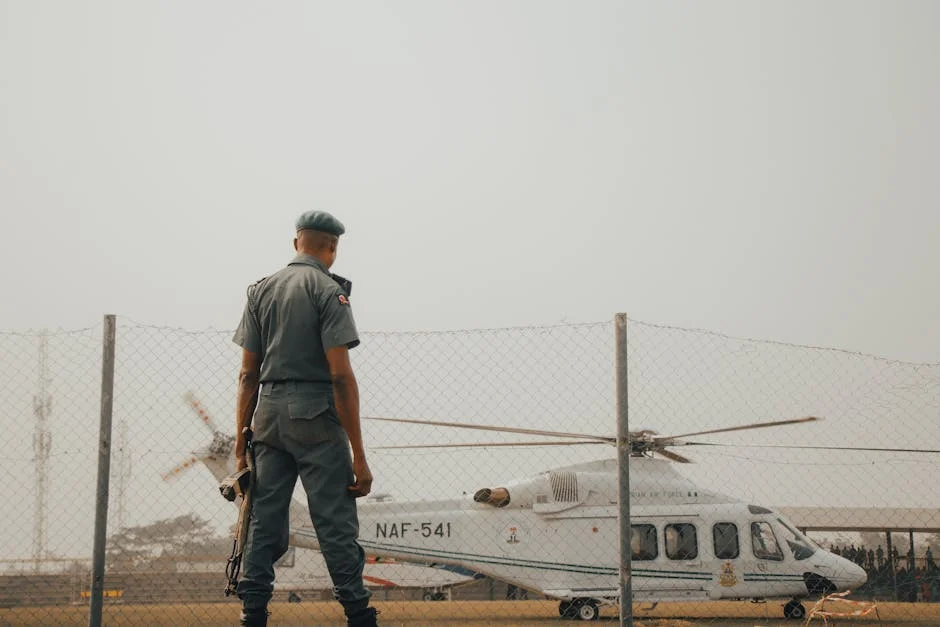
Christian pilgrimage to the Holy Land holds deep spiritual significance for many Nigerians, representing an opportunity for religious and cultural connection to their faith. According to recent statistics, approximately 40,000 Nigerian Christians travel to Israel annually for pilgrimages, contributing to both religious practice and the economy.
Impact on African Development Goals


This decision has broader implications related to African development goals, particularly in the areas of governance and security. The Nigerian government's prioritisation of citizen safety over religious practices showcases a commitment to governance and the rule of law, vital elements in Africa's development landscape. Moreover, the suspension reflects the need for improved conflict resolution mechanisms in the continent, particularly in regions affected by violence.
Continental Challenges and Opportunities
Nigeria's suspension of pilgrimages highlights the ongoing challenges African nations face regarding regional conflicts and their impact on development. The Middle East conflict, while geographically distant, has ripple effects that reach into Africa, influencing everything from religious practices to economic opportunities. It raises questions about how the Middle East affects Africa, especially in terms of political stability and economic growth.
What Lies Ahead for Nigerian Christians?
The Nigerian Christian community will likely continue to monitor developments in the Middle East closely, with hopes for a resolution that allows for safe travel in the future. Meanwhile, the government’s decision serves as a reminder of the delicate balance between religious freedom and national security in a continent striving for development. As the situation evolves, stakeholders will need to consider how such external conflicts shape the continent's journey towards achieving sustainable growth.