In a shocking revelation, plans for the assassination of Iranian Ayatollah Khamenei reportedly emerged from a clandestine meeting led by Israeli Prime Minister Benjamin Netanyahu. This plot, allegedly scheduled for November 2025, has raised alarms across the Middle East and beyond, prompting questions about the implications for regional stability and African nations.
Background on Netanyahu's Meeting
The meeting, described as a 'small forum' involving key Israeli military and intelligence officials, is said to have focused on escalating tensions with Iran. Sources indicate that Netanyahu and his inner circle are deliberating aggressive strategies to counter Iran's influence in the region, including the potential assassination of its Supreme Leader, Ayatollah Khamenei. This gathering reflects the increasingly combative stance Israel has adopted toward its adversaries.
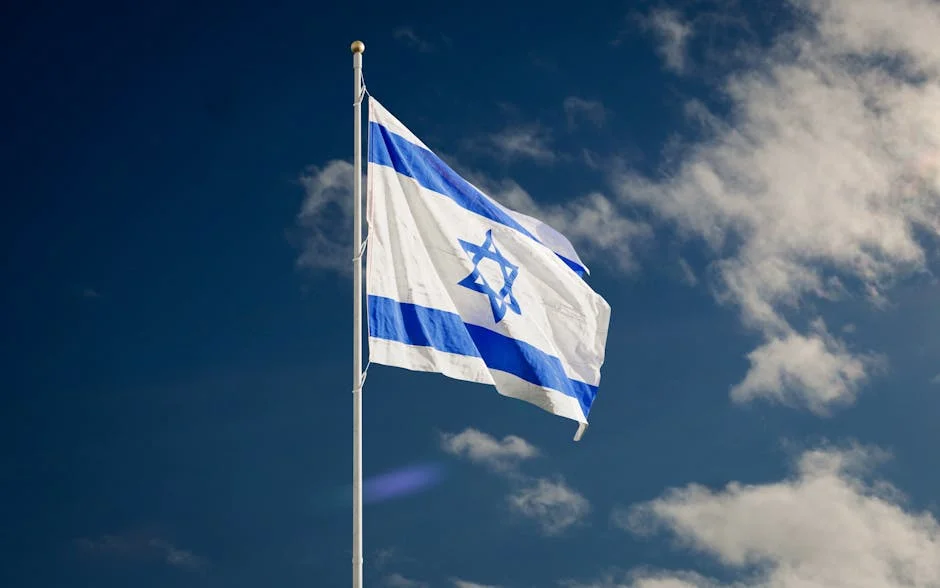
Significance of the Assassination Plot
The planned assassination is not just a matter of Israeli-Iranian relations; it also poses significant ramifications for the broader geopolitical landscape. Iran's response could lead to escalated military action or retaliatory measures that might affect global oil supplies and security arrangements. For African nations, particularly those reliant on stability in the Middle East for energy imports, this development could have profound economic implications.
Consequences for Africa's Political Landscape


As tensions rise in the Middle East, African countries must navigate the fallout carefully. South Africa, which maintains a diplomatic relationship with Iran, may find itself under pressure to respond to the developments involving Israel. The country’s historical commitment to anti-colonialism and support for Palestinian rights could put it in a difficult position, particularly as it seeks to strengthen ties with both Middle Eastern powers and Western allies.
Opportunity Amidst Tension: African Development Goals
This crisis also presents an opportunity for African nations to re-evaluate their development strategies in light of geopolitical tensions. Robust infrastructure and diversified economies can buffer against potential shocks from global events. African leaders might consider collaborative approaches to enhance regional security and economic resilience, thus aligning with the United Nations’ Sustainable Development Goals (SDGs). Strengthening health systems and educational frameworks can better prepare nations for the instability that international conflicts can exacerbate.
What to Watch For Next
As the situation unfolds, observers should monitor how African nations react to the Israeli plot against Khamenei. Will South Africa take a stand against the assassination plan, or will it seek to mediate? The response could shape not only their foreign policy but also influence regional alliances. Furthermore, the potential for increased military conflict in the Middle East could prompt a reassessment of African energy policies, especially as nations work to achieve energy independence and sustainability.