As tensions escalate in West Asia, Indian Prime Minister Narendra Modi has called for diplomacy and adherence to the rule of law. This plea comes at a time when conflict between the US and Iran has reached a critical point, raising concerns about regional stability and its broader implications, including for African nations.
Modi's Call for Peace and Its Global Repercussions
During a recent international summit, Prime Minister Modi emphasised the importance of dialogue and diplomacy in resolving the ongoing US-Iran conflict. His statement underscored the potential for escalation that could adversely affect global peace and security. Modi’s advocacy for peaceful resolution reflects an understanding of how interconnected our world has become, especially in light of economic and political ramifications that could spill over into Africa.
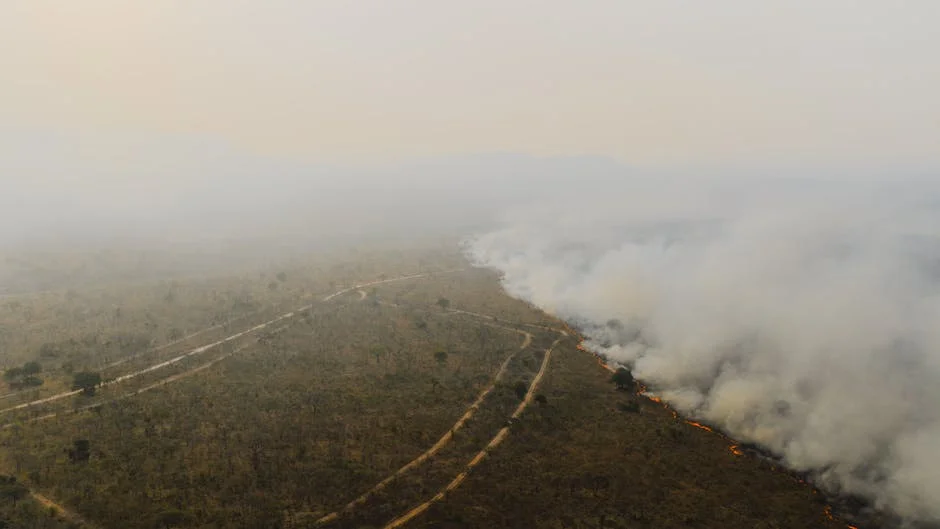
Impacts of the West Asia Conflict on African Development Goals
The conflict in West Asia poses significant challenges for African nations striving to achieve their development goals. The ongoing instability threatens crucial trade routes and energy supplies, which many African countries depend on. As highlighted in various reports, disruptions in oil supplies from the region could lead to increased fuel prices across the continent, complicating economic growth and infrastructure development efforts.
Finnish President Alexander Stubb's Role in African Dynamics
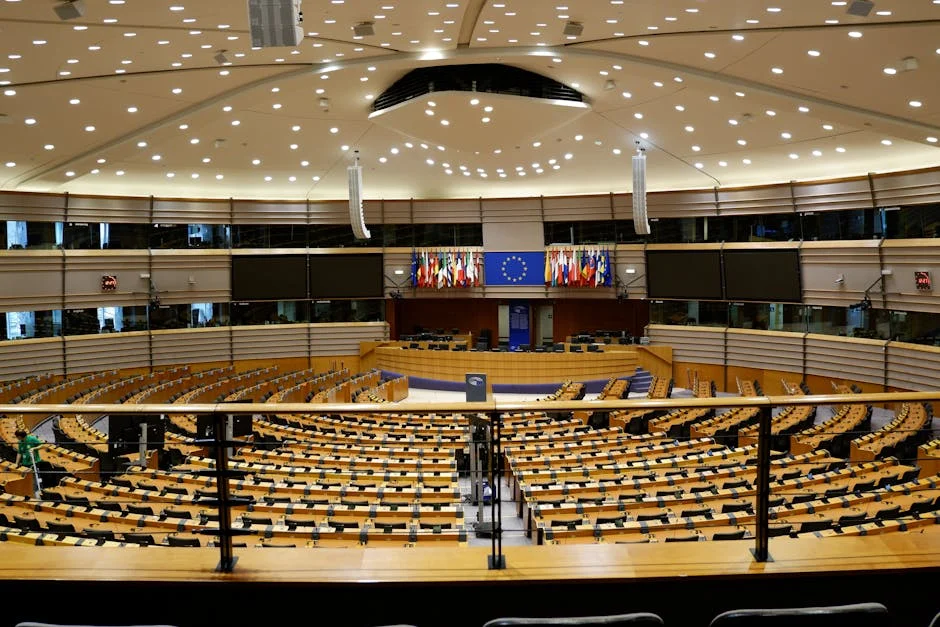

Finnish President Alexander Stubb has also been vocal about the situation in West Asia, recognising its implications for global diplomacy. His recent analysis suggests that Africa could benefit from a more stable West Asia through enhanced trade partnerships. Stubb’s perspectives are particularly relevant for South Africa, where diplomatic relationships and trade agreements are essential for economic progress.
What This Means for South Africa's Future
As South Africa navigates its own challenges in governance and economic growth, the political dynamics initiated by leaders like Modi and Stubb could shape its foreign policy. South Africa's engagement in peaceful diplomacy could encourage more collaborative efforts across the African continent. This aligns with the African Union's Agenda 2063, which aims for a peaceful and prosperous Africa.
Consequences and Future Developments to Watch
Looking ahead, the outcomes of Modi's call for peace and the responses from both the US and Iran will likely influence Africa's geopolitical landscape. Should tensions escalate, African nations may need to reassess their foreign policy positions and economic strategies. Observers should watch for shifts in trade agreements and diplomatic partnerships as the situation unfolds, particularly in relation to energy and infrastructure development.