The conflict in the Middle East intensified overnight as global leaders urged for immediate ceasefire and diplomatic solutions. Countries around the world are reacting to the ongoing violence, which has already led to significant humanitarian crises and geopolitical tensions.
Escalation of Hostilities in Gaza and Israel
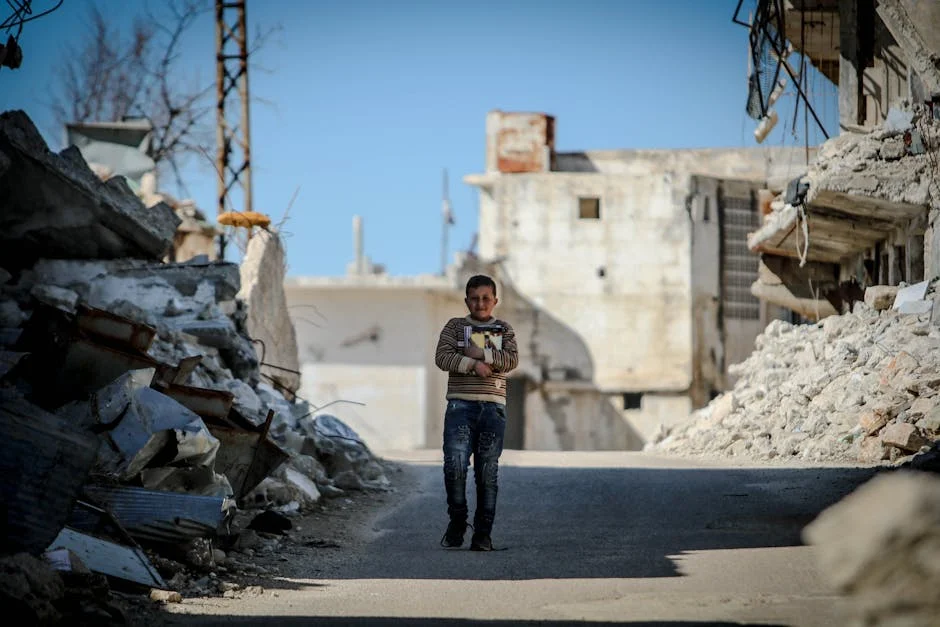
In recent days, the violence has surged dramatically, with Israel conducting extensive airstrikes in Gaza in response to rocket fire from militant groups. Reports indicate that more than 100 people have died in Gaza, with many civilians among the casualties. The conflict has reached a critical point, prompting international calls for restraint and a return to negotiations.
International Responses to the Conflict
Governments across Africa and beyond are closely monitoring the situation. The African Union has expressed deep concern about the escalating conflict and its potential to impact regional stability. South Africa's President has called for an emergency meeting of the AU to discuss humanitarian assistance and the role African nations can play in peace-building efforts.
The Humanitarian Crisis Deepens
The ongoing violence has resulted in a humanitarian crisis, with thousands of people displaced and in urgent need of assistance. International aid organisations are struggling to provide necessary support amid the chaos. The UN has warned that the situation could worsen if immediate action is not taken. This crisis underscores the importance of addressing conflict resolution and humanitarian assistance as part of the broader African development goals.
Implications for African Development Goals
The Middle East War highlights critical issues related to governance, health, and education, which are integral to the African development agenda. As African nations strive to achieve their development goals, the ripple effects of international conflicts like this one can hinder progress in key areas such as infrastructure development and economic growth. The potential for increased refugee flows and regional instability poses significant challenges for African nations already grappling with their own developmental hurdles.
What Comes Next: Future Watch
As the situation evolves, it is crucial for African leaders to engage in dialogue and collaboration with international partners. The Middle East War serves as a reminder of the interconnectedness of global politics and the influence it holds over African development. Observers will be watching closely to see how diplomatic efforts unfold in the coming days and whether a unified response from the African continent can emerge in support of peace and recovery.