In a detailed analysis of his tenure, President Marcelo Rebelo Sousa reflects on his time in office, highlighting key achievements and challenges faced during his presidency. This examination comes at a crucial moment for African nations, as they grapple with similar issues of governance, development, and cooperation.
The Presidency of Marcelo Rebelo Sousa
Marcelo Rebelo Sousa has been the President of Portugal since March 2016, offering a unique perspective on governance that resonates beyond the Iberian Peninsula. His presidency has been marked by an emphasis on dialogue, consensus-building, and social justice, which are vital components in any discussion about effective leadership, particularly in the context of African development goals.

Implications for African Governance
As Sousa reviews his presidency, he underscores the importance of transparent governance and accountability, principles that are essential for the advancement of African nations. Many countries on the continent continue to struggle with corruption and ineffective leadership, which hinder development and economic growth. Sousa's approach to these issues can serve as a model for African leaders aiming to improve governance and foster trust among citizens.
Infrastructure Development: A Shared Challenge

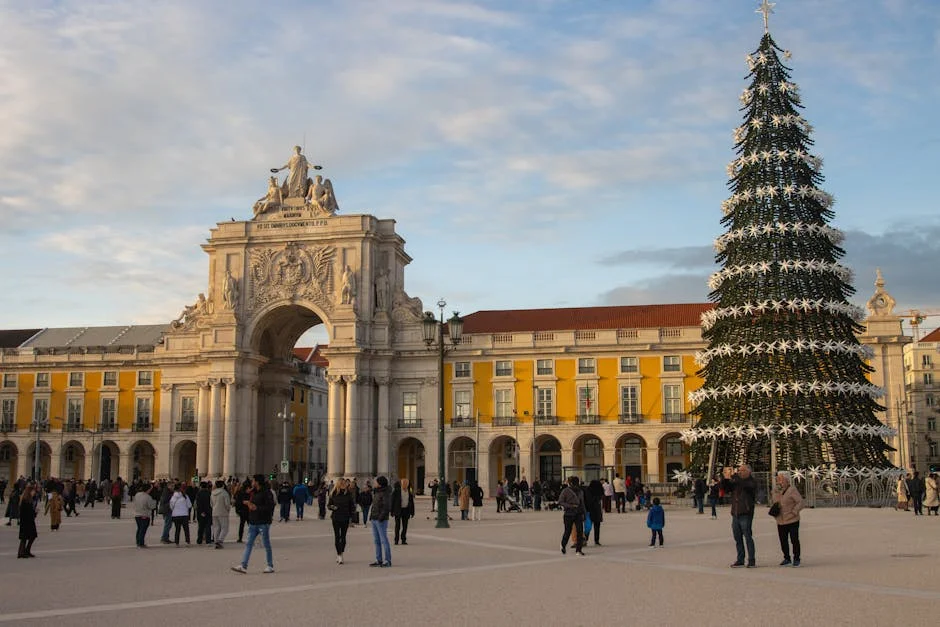
One of the most pressing issues during Sousa's time in office has been the need for improved infrastructure. In Africa, inadequate infrastructure remains a significant barrier to economic growth and social development. Sousa's focus on investing in transportation and technology within Portugal highlights the necessity of similar investments across African nations to achieve sustainable development goals.
Health and Education: Foundations for Growth
President Sousa has also placed substantial emphasis on health and education during his presidency. His administration's efforts to improve healthcare access and enhance educational outcomes are critical in fostering a skilled workforce. Africa faces significant challenges in these areas, and learning from Sousa's initiatives could provide valuable insights into addressing the continent's health crises and educational deficits.
Economic Growth and Regional Cooperation
In his reflections, Sousa points to the importance of economic cooperation among nations. This is particularly relevant for African countries, where regional partnerships can facilitate trade and investment. The African Continental Free Trade Area (AfCFTA) represents a significant opportunity for economic growth, and Sousa’s experiences can inform how African nations might better collaborate to realise this potential.
What Comes Next for Africa?
The lessons learned from Sousa's presidency may have profound implications for African leaders as they navigate their own governance challenges. As nations focus on achieving development goals, fostering collaboration, and addressing health and education needs, the experiences of global leaders like Sousa can provide a roadmap for success. Observers should watch for how African countries respond to these insights and the potential for increased cooperation on the continent.