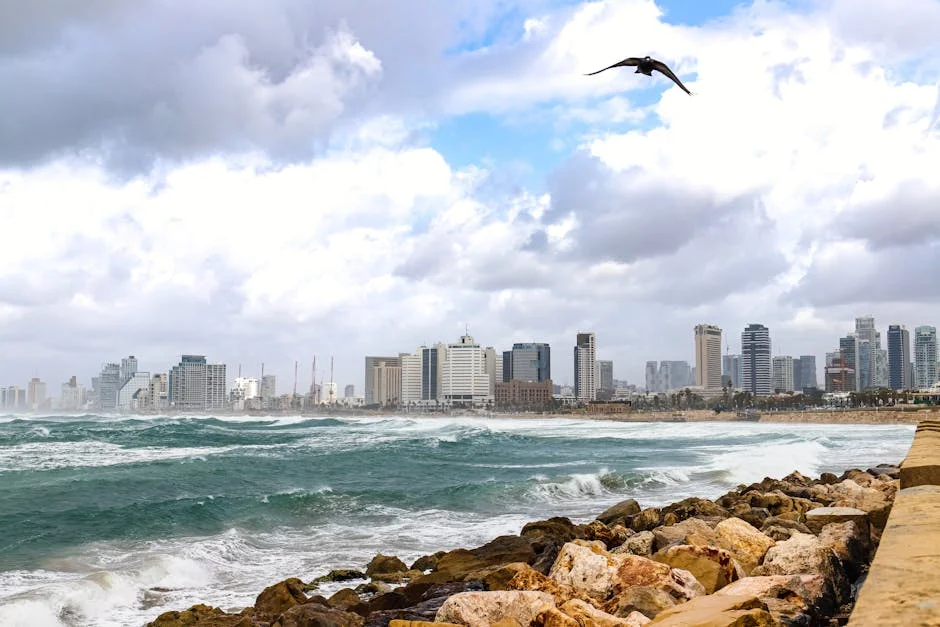
Sirens blared across Tel Aviv on Wednesday evening as Iran launched a new wave of missile attacks, escalating tensions in the region. The attacks, which occurred around 8 PM local time, have raised alarm bells not only in Israel but across the globe, as the implications of these military actions ripple outwards.
What Sparked the Renewed Aggression?
Iran’s latest military offensive is seen as a direct response to increasing pressure from Israel and its allies. Analysts suggest that the Iranian government is attempting to assert its influence in the region amid ongoing tensions with the West. The recent cessation of nuclear negotiations has further complicated the situation, leading to this show of military force.
Impact on Global Security and Economic Stability
The repercussions of Iran's actions extend beyond the Middle East. Countries like South Africa, which have been striving for economic growth and stability, now face the reality of disrupted global oil supplies and fluctuating commodity prices. With South Africa being heavily reliant on oil imports, the unrest could lead to increased fuel prices and a subsequent rise in the cost of living.
Why Sirens Matter: A Call to Action


The sirens sounding in Tel Aviv serve as a stark reminder of the fragility of peace in the region. For African nations, this event underscores the importance of robust governance and effective crisis management. The potential for conflict in one part of the world can have cascading effects on global economies, including those in Africa, where many nations are still striving to meet development goals.
The Broader African Development Context
As African countries continue to pursue development goals focused on infrastructure, health, and education, external conflicts pose significant challenges. The ongoing unrest in the Middle East could hinder foreign investment in Africa, which is essential for sustaining economic growth. Moreover, political instability abroad can divert attention and resources away from pressing continental issues, such as poverty alleviation and educational reform.
What to Watch For Next
As tensions escalate, global leaders will need to navigate the complex landscape of international relations. South Africa's role as a member of BRICS, alongside Russia and China, may influence its diplomatic stance towards the unfolding crisis. Observers should pay attention to how these developments will impact trade relations and security partnerships within Africa. The sound of sirens in Tel Aviv may signal a call for African nations to fortify their own governance structures and economic resilience in the face of global uncertainty.
Frequently Asked Questions
What is the latest news about iran launches fresh attacks tel aviv sounding sirens amid rising tensions?
Sirens blared across Tel Aviv on Wednesday evening as Iran launched a new wave of missile attacks, escalating tensions in the region.
Why does this matter for economy-business?
Analysts suggest that the Iranian government is attempting to assert its influence in the region amid ongoing tensions with the West.
What are the key facts about iran launches fresh attacks tel aviv sounding sirens amid rising tensions?
Countries like South Africa, which have been striving for economic growth and stability, now face the reality of disrupted global oil supplies and fluctuating commodity prices.