In a significant move, India has approved the development of the Sheshnaag-150 attack drones, closely resembling Iran's Shahed models, alongside the Kaveri-powered Ghatak Unmanned Aerial Vehicle (UAV). This decision, announced on 15 October 2023, marks a notable shift in India's military strategy and technological capabilities.
India's Defence Strategy Shifts with New Drone Approvals
The Indian government has taken decisive steps to enhance its military capabilities by approving the Sheshnaag-150 drones, designed to serve as a more indigenous alternative to Iran's renowned Shahed drones. This move has been motivated by India’s desire to bolster its defence system and reduce dependence on foreign military technology. The Kaveri-powered Ghatak UAV is expected to complement this strategy by providing advanced surveillance and combat capabilities.
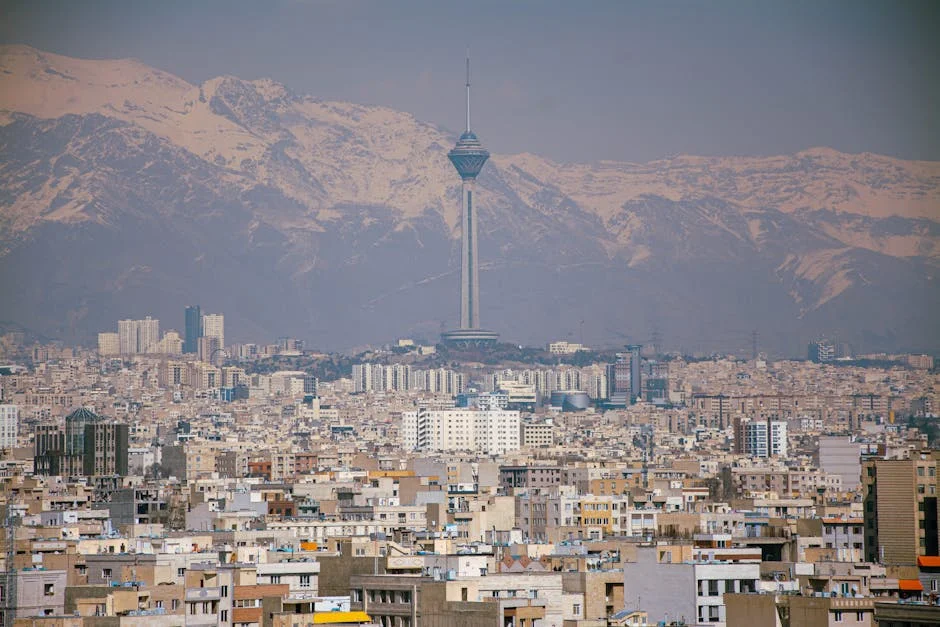
Understanding the Implications of Iran’s Military Developments
The influence of Iran's military technology on India’s recent decisions underscores the importance of unmanned combat aerial vehicles (UCAVs) in modern warfare. The Shahed drones, used extensively in recent conflicts, have demonstrated the effectiveness of drone warfare in achieving strategic objectives. The rise of such technologies necessitates a broader analysis of military politics, especially in the context of rising tensions in various regions.
African Development Goals and Military Technology

As African nations strive for sustainable development, the emergence of military technologies like the Sheshnaag-150 and Ghatak UAV presents both challenges and opportunities. While these developments indicate a global trend towards advanced military capabilities, they also raise questions regarding governance, resource allocation, and the potential for military overreach in African contexts. Countries in Africa must balance their investment in defence technology with critical areas such as health, education, and infrastructure to ensure holistic development.
Potential Consequences for African Nations
As India advances its military technology, African nations must remain vigilant regarding the shifting dynamics of military power and technological advancements. The adoption of advanced drones can lead to an arms race, prompting countries to reassess their security strategies and military budgets. This could divert vital resources away from pressing developmental needs like healthcare and education. Furthermore, the increasing militarisation of conflicts can exacerbate existing tensions and instability in the region.
What Comes Next for Africa? Key Considerations
In light of India's advancements and their implications for Africa, it is crucial for African leaders to engage in dialogues about military collaboration and technological transfer while safeguarding development priorities. Initiatives aimed at capacity building, development-focused governance, and regional cooperation can help mitigate the risks associated with military technological advancements. As African nations observe the impact of India’s drone developments, proactive measures must be taken to ensure the balance between military readiness and socio-economic growth.
Frequently Asked Questions
What is the latest news about india unveils indigenous drones inspired by irans shahed what this means for africa?
In a significant move, India has approved the development of the Sheshnaag-150 attack drones, closely resembling Iran's Shahed models, alongside the Kaveri-powered Ghatak Unmanned Aerial Vehicle (UAV).
Why does this matter for politics-governance?
This move has been motivated by India’s desire to bolster its defence system and reduce dependence on foreign military technology.
What are the key facts about india unveils indigenous drones inspired by irans shahed what this means for africa?
The Shahed drones, used extensively in recent conflicts, have demonstrated the effectiveness of drone warfare in achieving strategic objectives.