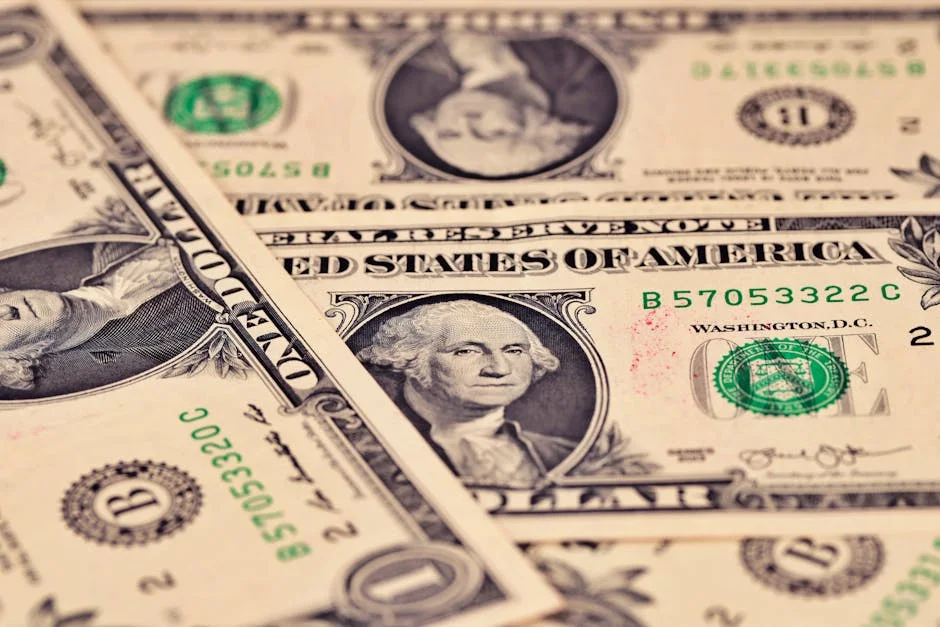
The escalating crisis in Iran is pushing the dollar towards its steepest weekly gain in over a year, prompting heightened interest in safe-haven currencies worldwide. This surge is largely driven by rising geopolitical tensions in the Middle East, which have added layers of uncertainty to the global economy. As investors flock to the dollar, South Africa and other African nations face critical implications for their economic stability and development goals.
Iran Crisis Triggers Global Market Turmoil
The ongoing conflict in Iran has led to significant market reactions since the start of the week, with reports of heightened military activity and diplomatic tensions. Following the announcement of new sanctions and military manoeuvres, the dollar's value soared, reflecting investor fears and a shift towards safer assets. As of Friday, the dollar index was up more than 2% for the week, marking its largest weekly gain since early 2022.

How Rising Uncertainty Affects the South African Economy
For South Africa, the implications of a rising dollar are profound. As a country that relies heavily on imports for fuel and food, the increased dollar value can lead to higher costs for these essentials. The Reserve Bank of South Africa has already expressed concerns about inflationary pressures that may arise from a stronger dollar, which could further complicate the nation’s recovery from recent economic challenges.
Infrastructure and Investment at Risk

The surge in the dollar also poses risks to infrastructure projects across Africa. Many of these initiatives rely on foreign investment, which may become scarcer as investors focus on more stable markets. With the potential for increased financing costs, African nations may struggle to meet their development goals, particularly those aimed at improving health and education infrastructure. Such developments are critical as the continent seeks to boost economic growth in the wake of the COVID-19 pandemic.
Governance Challenges Amid Economic Strain
As the uncertainty surrounding the economy grows, governance challenges may arise. South Africa and several other African nations face political pressure to respond to rising costs of living, which could lead to civil unrest or demands for greater accountability from governments. The need for effective governance becomes ever more crucial as countries navigate these turbulent economic waters.
Opportunities for Economic Diversification
However, amid this uncertainty, there are opportunities for African nations to rethink their economic strategies. The crisis in Iran and the accompanying dollar surge could serve as a catalyst for countries to diversify their economies, reducing reliance on imports and fostering local production. This aligns with the African Union’s Agenda 2063, which aims to promote self-sufficiency and sustainable development across the continent.
Investors looking to capitalise on the situation should consider the potential for growth in sectors such as agriculture, renewable energy, and technology, which can not only provide alternatives to imports but also create jobs and improve resilience against external shocks.
As the situation unfolds, it will be essential for African leaders to engage in proactive governance and strategic planning to mitigate the adverse effects of a rising dollar, ensuring that the continent can pursue its development goals effectively.
Frequently Asked Questions
What is the latest news about dollar surges amid iran crisis what it means for africas economy?
The escalating crisis in Iran is pushing the dollar towards its steepest weekly gain in over a year, prompting heightened interest in safe-haven currencies worldwide.
Why does this matter for economy-business?
As investors flock to the dollar, South Africa and other African nations face critical implications for their economic stability and development goals.Iran Crisis Triggers Global Market TurmoilThe ongoing conflict in Iran has led to significant marke
What are the key facts about dollar surges amid iran crisis what it means for africas economy?
As of Friday, the dollar index was up more than 2% for the week, marking its largest weekly gain since early 2022.How Rising Uncertainty Affects the South African EconomyFor South Africa, the implications of a rising dollar are profound.